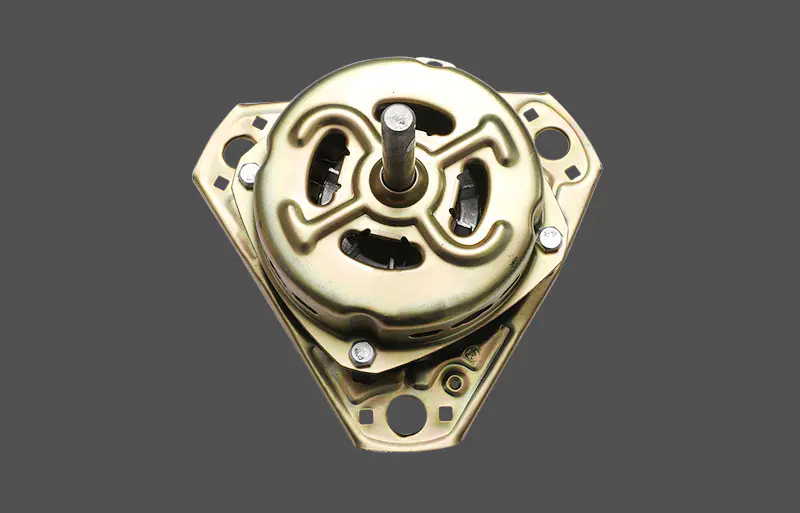
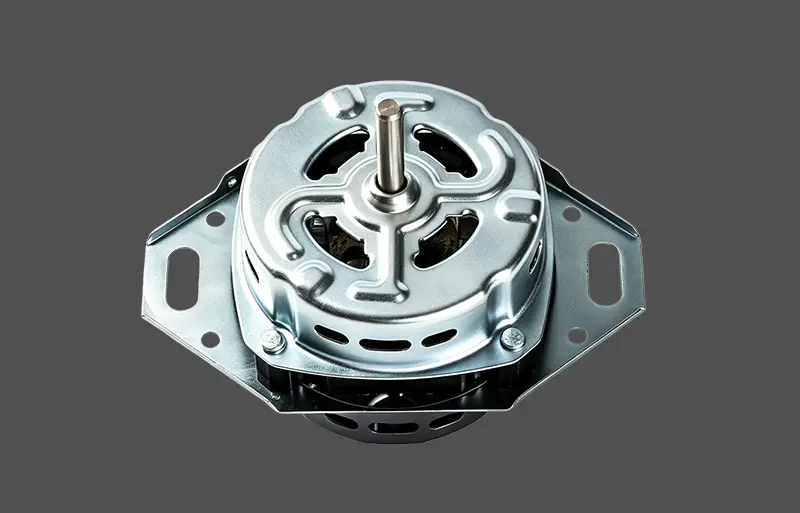
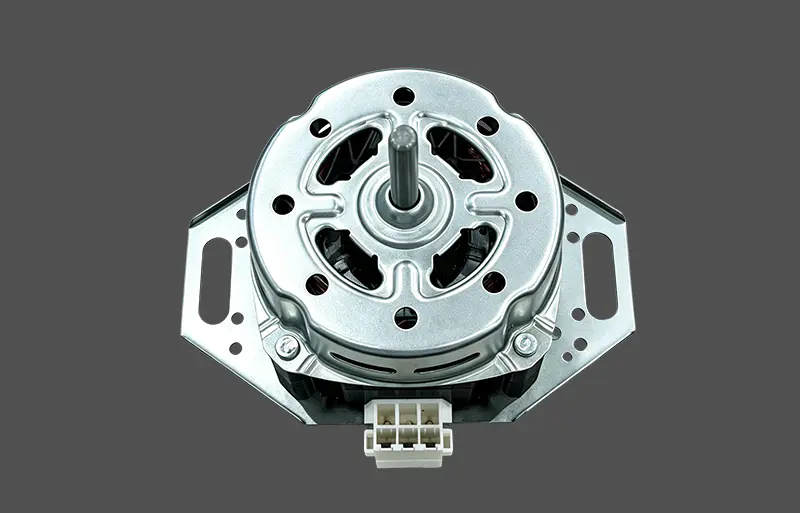
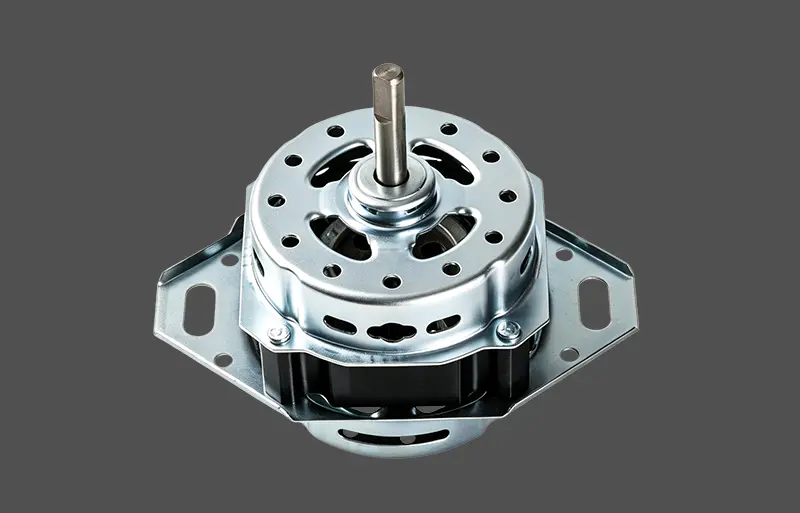
In ventilation systems, the motor is the central component that determines the performance and efficiency of the system. The choice between an AC motor (Alternating Current) and a DC motor (Direct Current) is critical, as each type offers distinct advantages. These differences stem from their structure, operating principles, and maintenance requirements. This article explores the key differences between AC and DC motors, focusing on their applications in ventilation systems.
1. Applications and Characteristics of AC Motors
AC motors are the most commonly used type of motor in ventilation systems, primarily due to their reliability, simplicity, and broad range of applications. The following factors make AC motors a popular choice:
1.1 Simple Structure and High Reliability
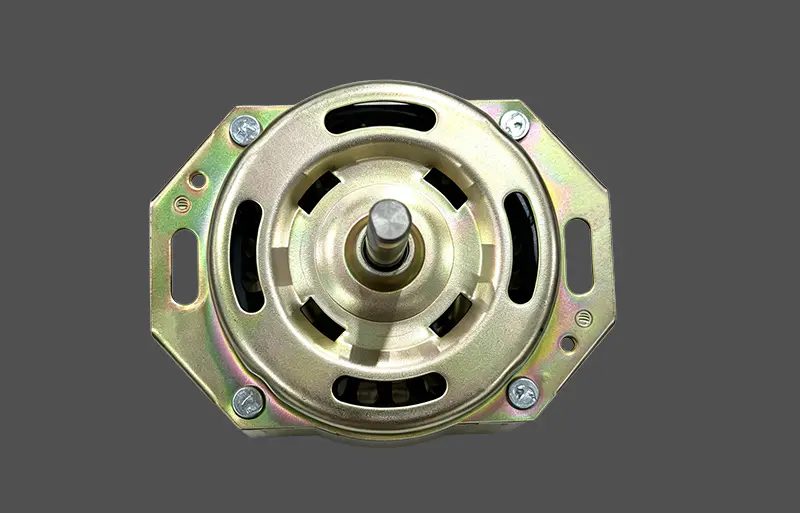
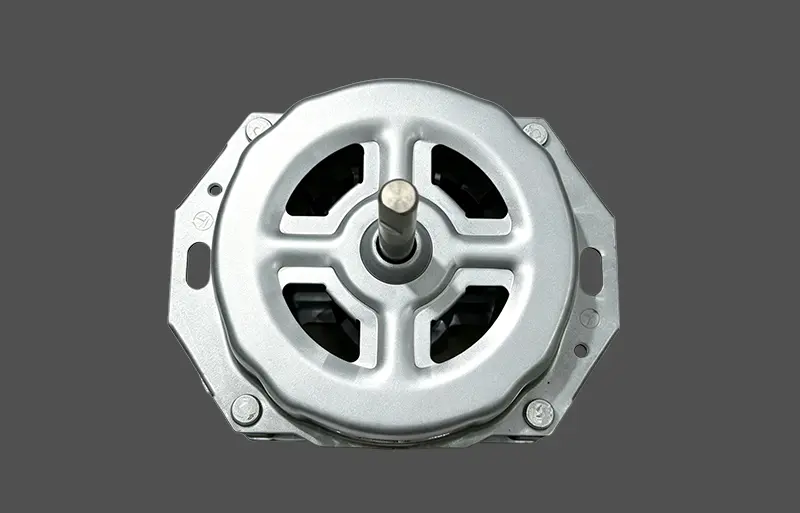
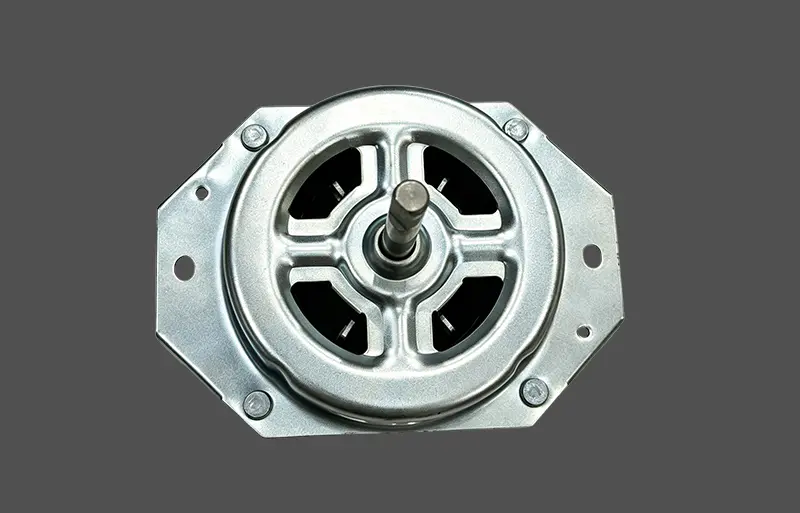
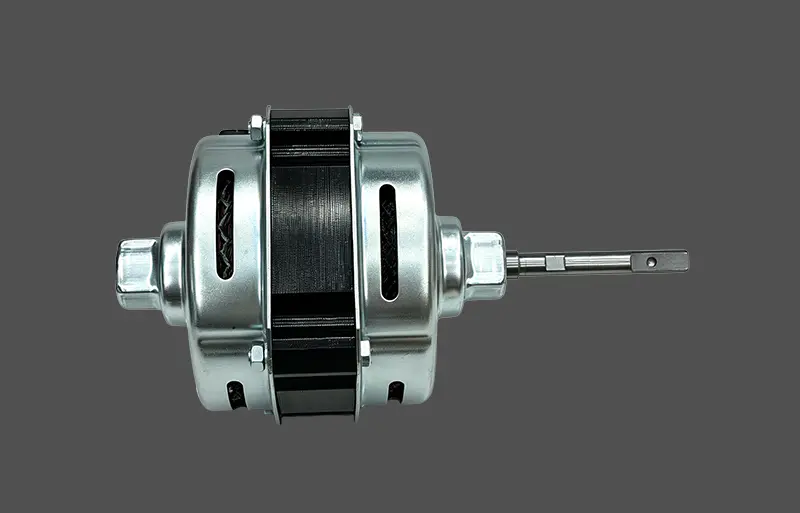
AC motors are known for their simple structure, which mainly consists of a stator and a rotor. With no brushes or commutators, the motor experiences minimal wear and tear, making it highly reliable and long-lasting. For ventilation systems that require continuous operation, AC motors provide stability and durability, making them the preferred choice.
1.2 Broad Adaptability
AC motors are highly adaptable and can function efficiently in various environments, including high-temperature, high-humidity, and dust-prone settings. The versatility of AC motors allows them to serve a wide range of applications, from small household fans to large industrial ventilation systems.
1.3 Low Maintenance Costs
Due to the absence of brushes and other wear-prone parts, AC motors require minimal maintenance. Routine tasks such as checking electrical connections and cleaning the ventilation system are typically enough to ensure optimal performance. This low-maintenance nature makes AC motors a cost-effective option for long-term operation.
1.4 High Efficiency and Low Operating Costs
Modern AC motors are designed with advanced electromagnetic technology to offer high efficiency. For ventilation systems, AC motors not only provide effective airflow but also reduce energy wastage, leading to lower long-term operating costs. This makes AC motors particularly suitable for industrial and commercial ventilation systems where energy efficiency is a priority.
2. Applications and Characteristics of DC Motors
Although AC motors dominate the ventilation industry, DC motors are increasingly being used in specific applications that demand precise speed control, higher efficiency, and compact size. The following characteristics make DC motors a valuable choice for certain ventilation systems:
2.1 Precise Speed Control
One of the most significant advantages of DC motors is their precise speed control. Unlike AC motors, DC motors can adjust their speed easily by varying the voltage or current. This makes them ideal for ventilation systems that require automatic adjustments based on changes in environmental conditions, such as humidity or temperature. DC motors provide smooth, continuous speed control, which is essential for systems that need to adapt to varying airflow demands.
2.2 High Starting Torque and Quick Response
DC motors offer higher starting torque compared to AC motors, making them suitable for applications that require rapid acceleration or frequent starts and stops. For example, in high-efficiency air circulation systems, DC motors can quickly reach the required speed, ensuring efficient operation even under fluctuating load conditions.
2.3 Compact Size and Lightweight
DC motors are typically smaller and lighter than their AC counterparts, which makes them ideal for applications with limited space. For example, small ventilation devices, precision instruments, or portable ventilation systems can benefit from the compact size and high power density of DC motors.
2.4 Higher Efficiency but Increased Maintenance
DC motors offer high efficiency, providing excellent performance with reduced energy consumption. However, they require more maintenance compared to AC motors due to the presence of brushes and commutators, which wear out over time. This makes DC motors more costly to maintain in the long run, despite their superior performance in certain applications.
3. Comparison of AC and DC Motors in Ventilation Systems
3.1 Range of Applications
AC motors are widely used in large-scale industrial and commercial ventilation systems, especially those requiring long-term continuous operation, such as in factories and underground parking lots. Their low cost, reliability, and efficiency make them the preferred choice for these environments.
In contrast, DC motors are more commonly found in specialized ventilation systems, such as those requiring precise speed control and high starting torque. These motors are ideal for applications like electronic equipment cooling systems and high-performance air circulation systems where adjustable airflow is critical.
3.2 Energy Efficiency
AC motors generally offer higher efficiency in stable load conditions, providing consistent airflow with minimal energy consumption. DC motors, while offering excellent efficiency and precision in certain applications, may not be as energy-efficient in continuous operations, especially when factoring in maintenance costs.
3.3 Maintenance and Cost Considerations
AC motors are relatively low-maintenance and are more cost-effective in the long term due to their simple construction and longer lifespan. DC motors, while providing higher performance in specific applications, require more frequent maintenance due to the wear of brushes and commutators. This increases their overall operational costs, especially in continuous-use systems.