


Your bathroom exhaust fan starts humming, but the blade barely moves. Or the fan runs for five minutes and shuts off before the steam clears. In many cases, the culprit is not the wall switch, the wiring, or a blocked duct — it is the bathroom ventilation fan motor. This small component determines how quietly the fan runs, how efficiently it removes moisture, and how long the entire unit lasts. Knowing how to inspect it, test it, and choose the correct replacement can save you a service call and prevent a second early failure.
Most residential bathroom ventilation fans use a single-phase induction motor, usually a capacitor-start or capacitor-run design. The motor turns a blade or impeller that draws humid air through the grille, past the motor housing, and out through the exhaust duct. When the motor is healthy, the fan operates quietly and keeps bathroom humidity under control. When it begins to fail, the room becomes steamy, condensation collects on mirrors, and mold can develop in corners and grout lines.
The motor deserves more attention than most homeowners give it. It represents a significant share of the fan's total cost, and its quality directly affects noise, energy consumption, heat generation, and airflow. In a bathroom, where humidity stays high for long stretches, the motor's insulation and moisture resistance are the first line of defense against early failure. A motor with weak insulation or a poor waterproof seal can fail within a few years; a properly protected one can run reliably for a decade or more in the same location. This is why the motor is the first component to evaluate when you install a new fan: the difference between a cheap motor and a well-built one shows up in the decibel level, the electricity bill, and the replacement cycle.
Start with the symptom, not the replacement order. Different failure patterns point to different root causes, and replacing the motor is not always the correct fix. The table below summarizes the most common warning signs and the faults they usually indicate.
| Symptom | Most Likely Cause |
|---|---|
| Humming or buzzing noise with no blade rotation | Failed start capacitor or seized bearings |
| Fan runs but airflow feels noticeably weaker | Dust buildup on the blade or a drop in motor speed |
| Fan operates intermittently or stops mid-cycle | Thermal protector tripping because the motor is overheating |
| Visible rust or moisture damage on the motor housing | Waterproof seal failure or degraded winding insulation |
| Burning smell during operation | Overheated winding or damaged insulation |
| Fan takes a long time to start | Weak start capacitor or a failing start winding |
Only some of these symptoms come from the motor itself. A seized bearing can often be repaired, and a failed capacitor is an inexpensive part that can be swapped in minutes. That is why careful diagnosis always comes before buying a replacement.
Follow this sequence to isolate the fault. It takes about twenty minutes and needs only a screwdriver and a multimeter.
If you are not comfortable performing electrical tests, stop and call a licensed electrician. Working on live circuits without proper training is dangerous.
Once you have confirmed that the motor is defective, replacement follows a straightforward sequence. The exact teardown varies by model, but these six steps cover the universal process:
Wear gloves during disassembly, and if your fan is more than ten years old, inspect the duct and the backdraft damper at the same time. If the housing is cracked or the damper is corroded, replacing the entire fan may make more sense than a motor swap. In that situation, browse complete exhaust fans as a cost-effective replacement option.
Choosing the correct replacement is where most mistakes happen. A motor that almost fits can overheat, vibrate, spin the wrong direction, or burn out quickly. Work through these seven criteria before you buy.
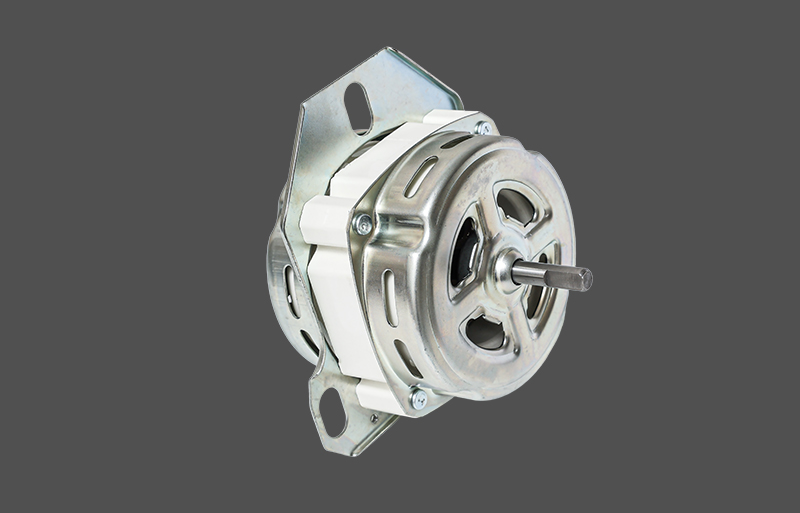 Custom Waterproof Motor factory, ManufacturersShengzhou Tianyi Electric Appliance Co., Ltd is China Waterproof Motor Manufacturers and Waterproof Motor Factory, supply Custom Waterpro...View Product →.
Keep in mind that the most expensive motor is not automatically the best fit. A 60W motor installed in a fan designed for 20W will generate more heat than the housing can dissipate, which shortens its life and can create a fire hazard in extreme cases. Match the specification, not the price tag.
Write down the specifications of your old motor before you begin shopping. When you are ready to compare models, review our complete exhaust fan motor series for the voltage, power, and mounting configurations commonly used in residential bathroom ventilation.
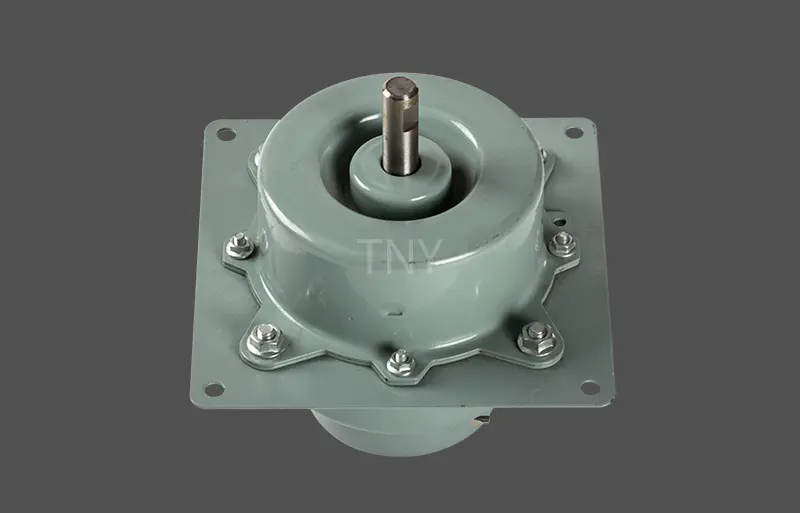 Custom Ventilator Motor factory, ManufacturersShengzhou Tianyi Electric Appliance Co., Ltd is China Ventilator Motor Manufacturers and Ventilator Motor Factory, supply Custom Ventilat...View Product →
A new motor will serve you well for years if you control the conditions that cause early failure. The leading cause of premature death in bathroom fan motors is dust accumulation, which blocks cooling airflow and traps heat in the windings. A short maintenance routine prevents most of these failures:
Replacing a motor costs more than the part itself once you count the time, the tools, and the risk of handling wiring. Every year you add to the motor's life is a year you delay those costs. For a deeper look at what shortens motor life, read our analysis of the common causes of premature ventilator motor failure.
Everything so far has treated this as a one-unit job: diagnosing, replacing, and maintaining a single motor in a single bathroom. For distributors, importers, and manufacturers of ventilation equipment, the question is different. How do you source reliable motors in volume, with consistent quality and a stable supply? The selection criteria are still relevant, but the evaluation process changes.
When you assess a potential supplier, review these five areas:
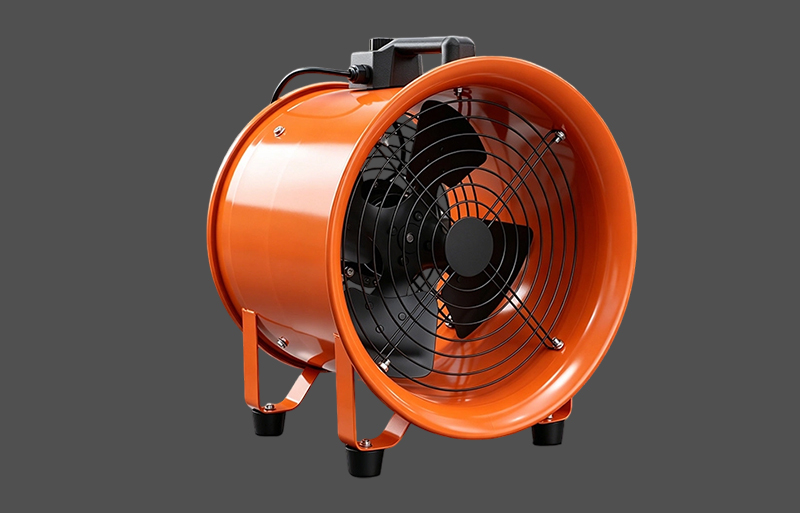 Custom Ventilator Motors Factory, ManufacturersAs China Ventilator Motors Manufacturers and Custom Factory, Shengzhou Tianyi Electric Appliance Co., Ltd provides types of Ventilator Mo...View Product →, and waterproof motor families lets you consolidate purchasing and simplify quality control.
If you are building a new bathroom fan line or looking for a long-term motor partner, start with these five criteria. Contact us for OEM and ODM inquiries, and request samples before you commit to volume orders.
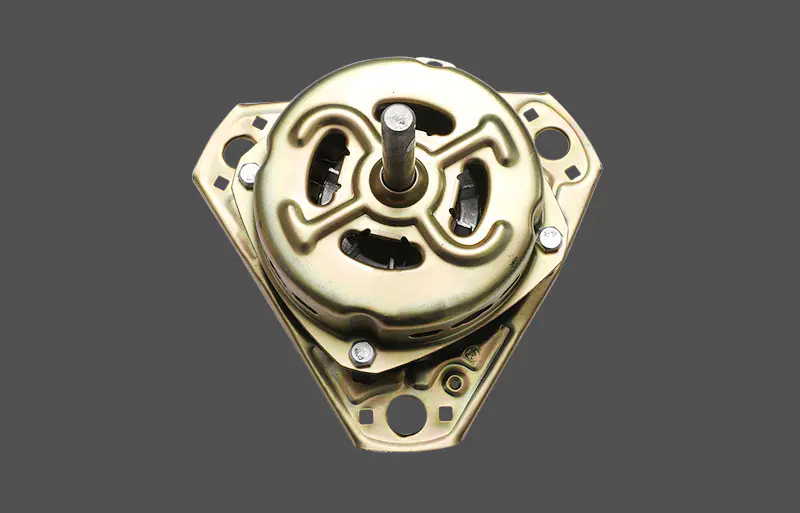
Ty001 Double-Tub Washing Machine Dedicated Motor
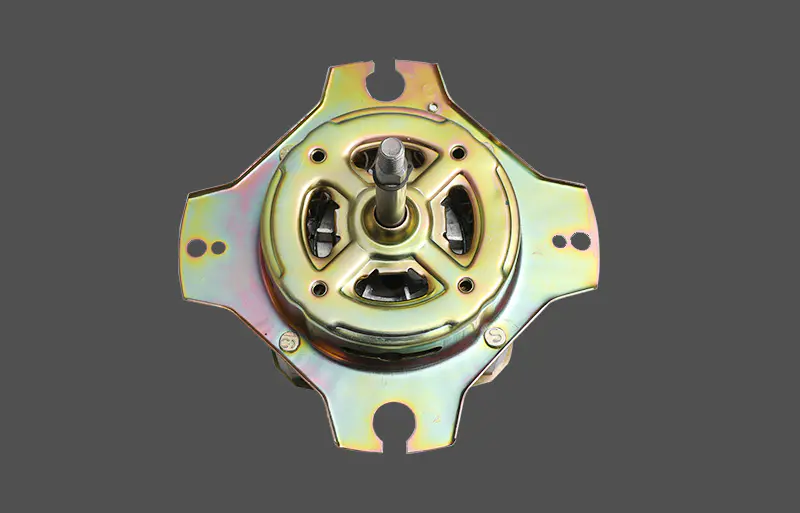
TY002 Powerful & Durable Copper-Wound Washing Machine Motor
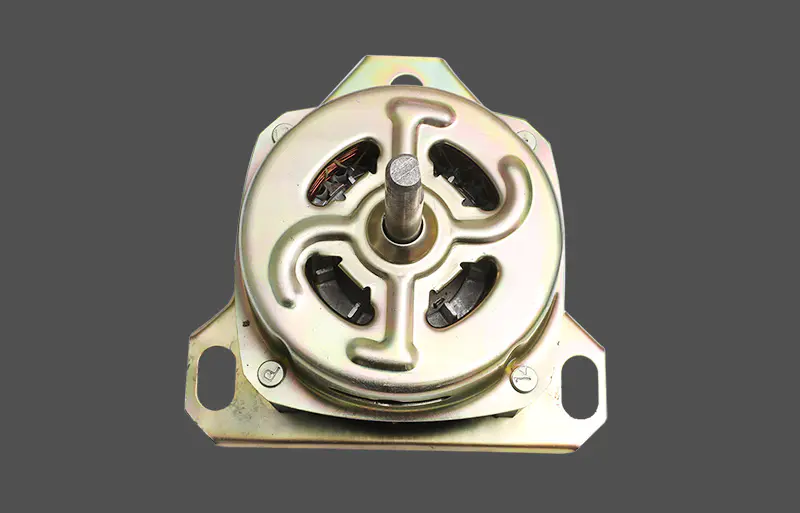
Environmental Cover Washing Machine Motor
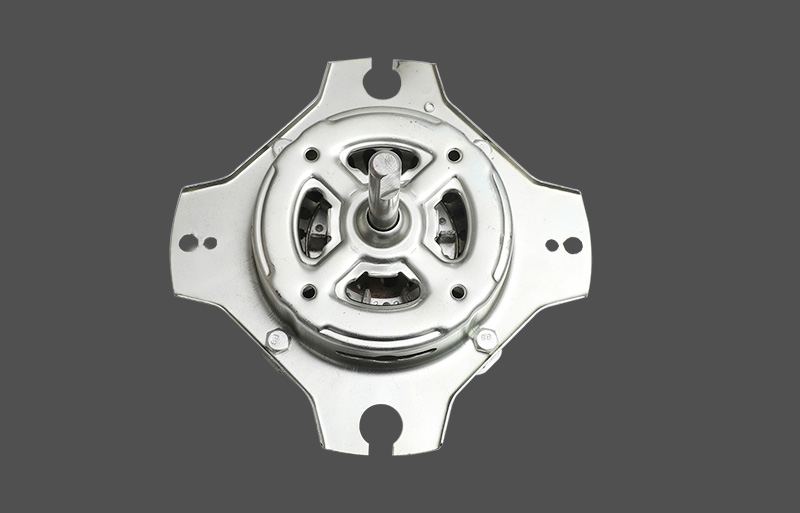
TY004 High-Efficiency Mini Copper Wire Washing Machine Motor
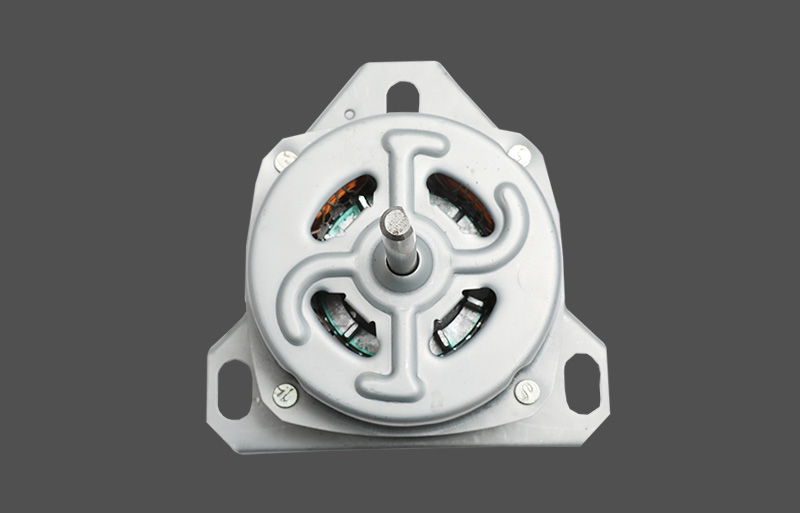
TY005 100% Copper Wire High-Speed Induction Motor
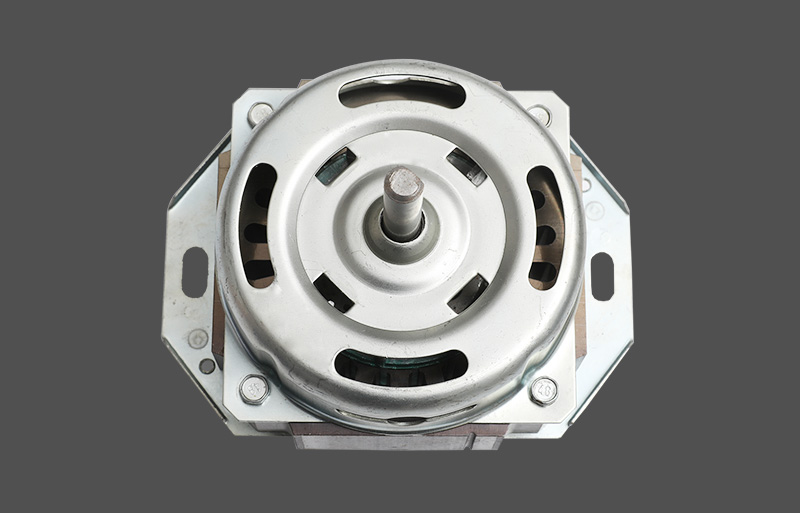
Home Appliance Parts Washing Motor
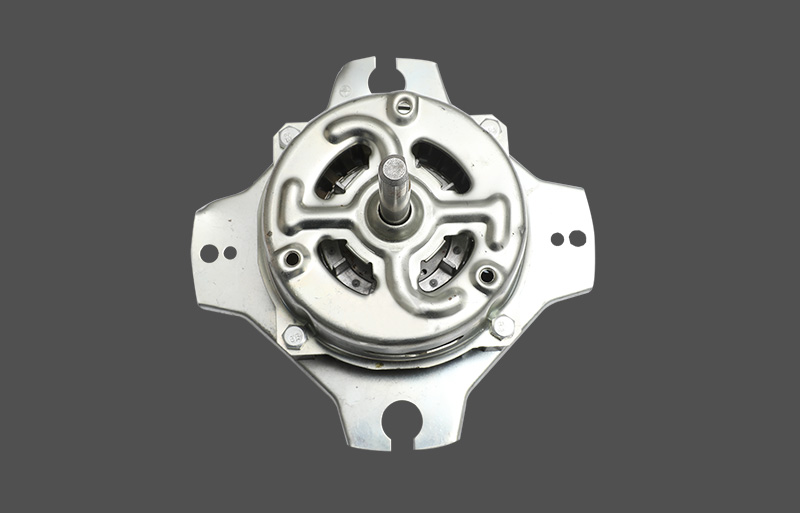
White Color CCA Motor
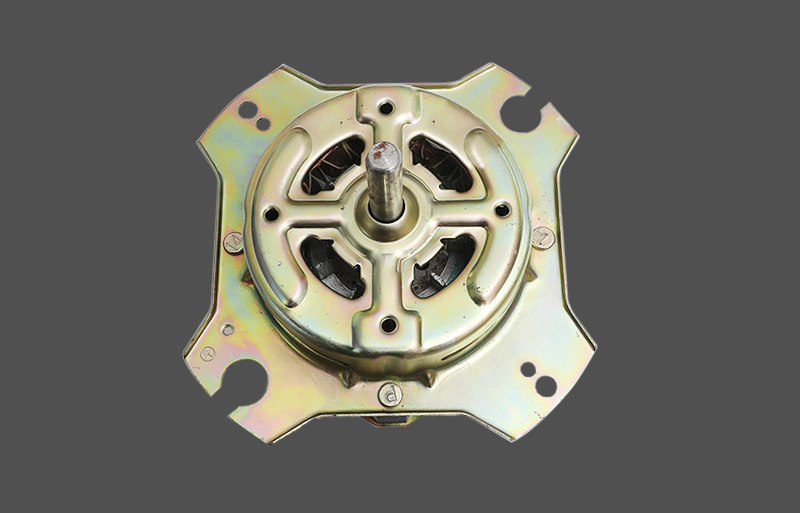
TY-008
Please leave your Email or phone nomber, so we can contact you as soon as possible.
Share


