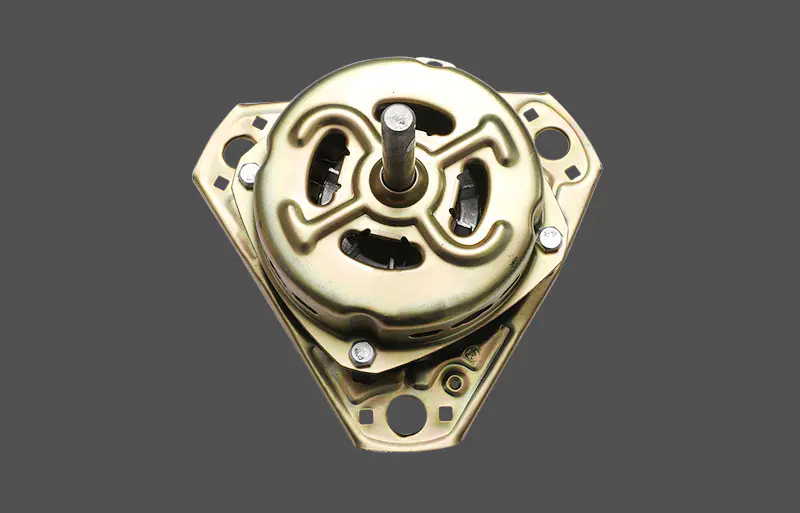
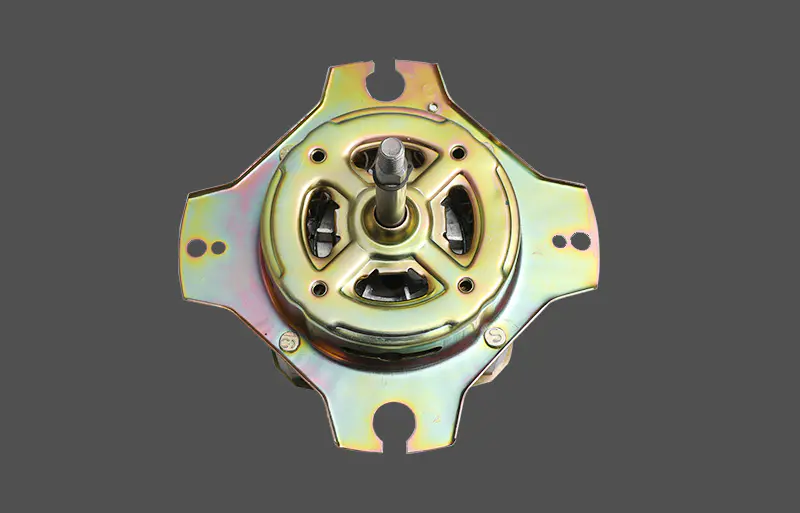
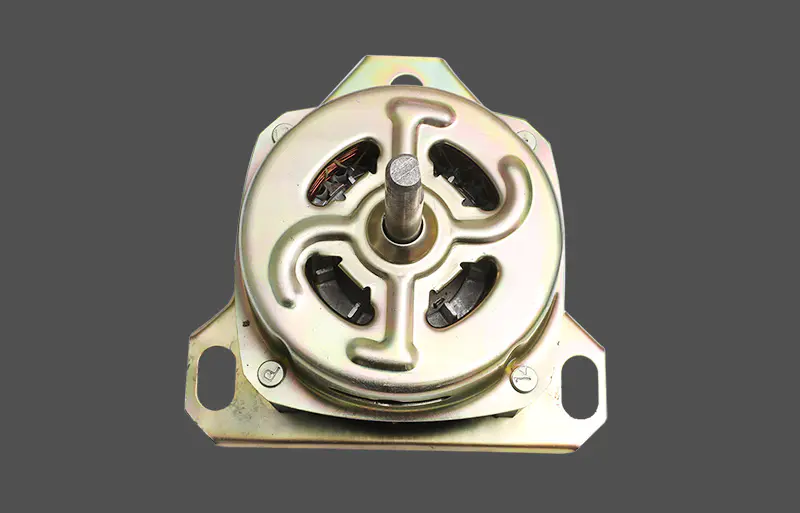
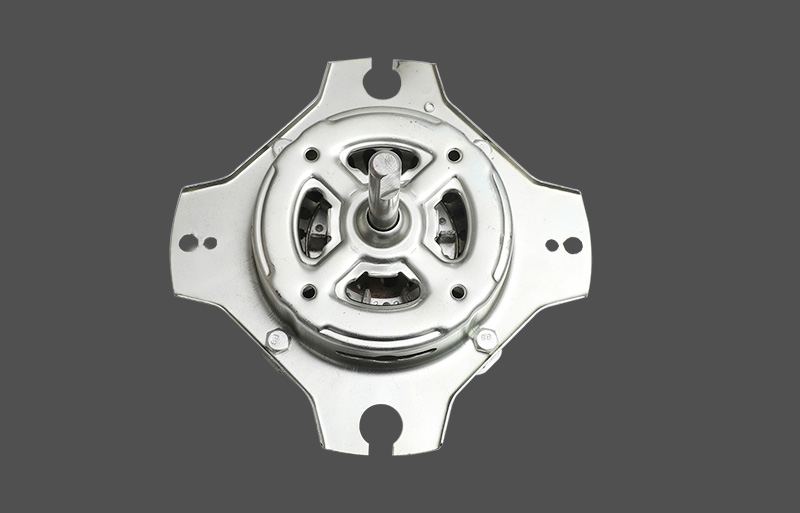
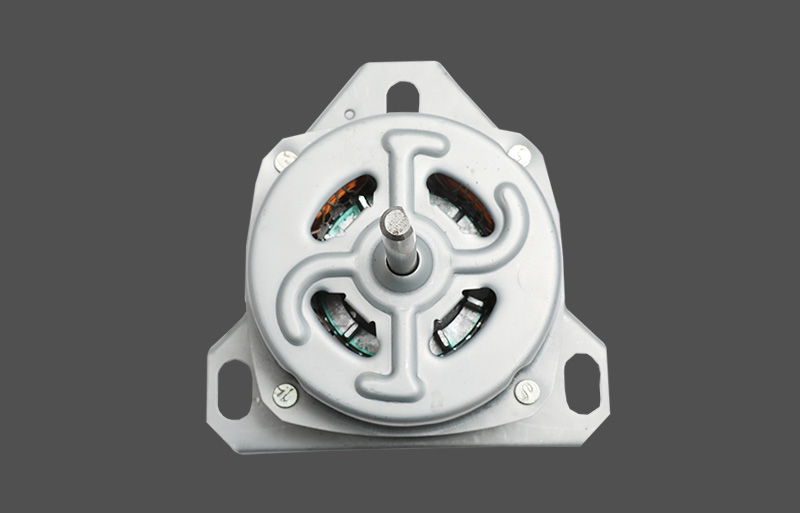
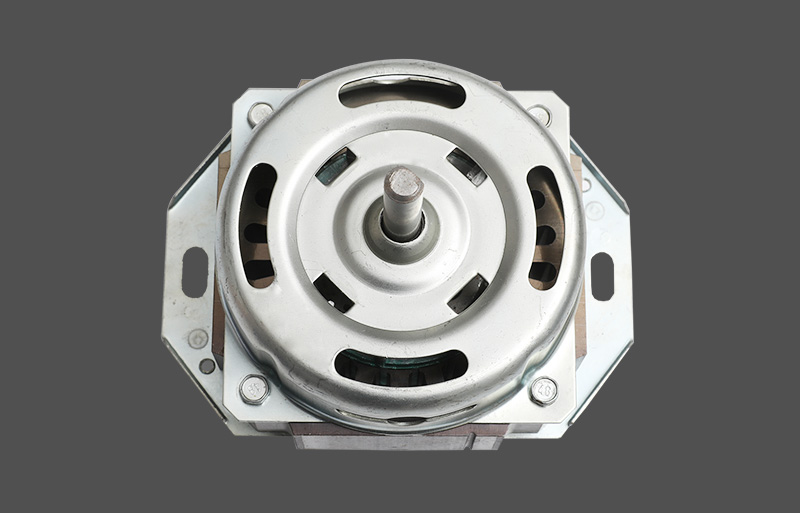
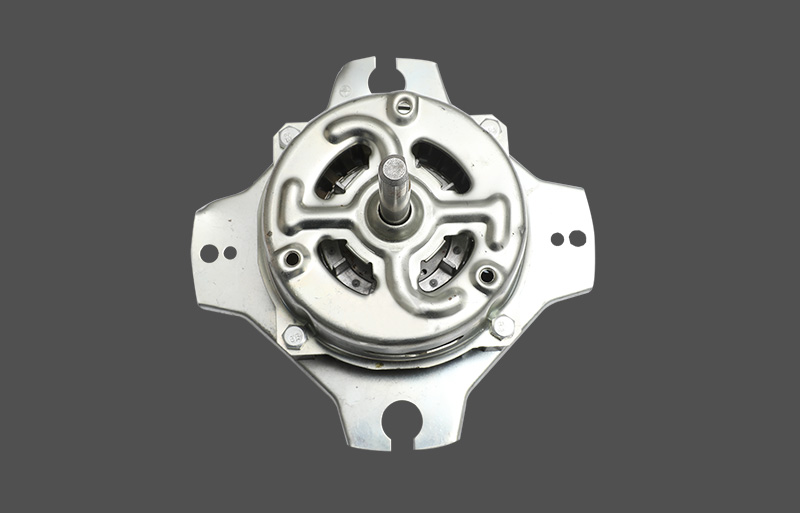
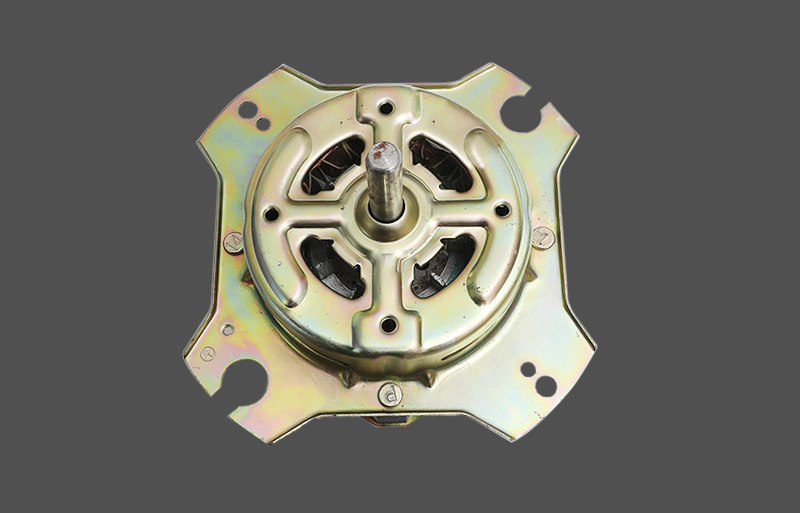
The standing fan motor is the core component of both household and commercial fans. During operation, it may experience overheating, which can affect motor lifespan and operational safety. A well-designed thermal protection mechanism is essential for stable performance and durability. This article provides a professional overview of the design principles, types, mechanisms, and applications of thermal protection in standing fan motors.
Importance of Thermal Protection
Motor windings can exceed safe temperature limits during prolonged operation or high-load conditions, leading to insulation aging, bearing damage, and even motor burnout. Overheating may also pose fire hazards or electrical safety risks. Thermal protection mechanisms monitor motor temperature in real time and activate protective measures when necessary, ensuring reliable operation. In standing fans, thermal protection not only safeguards the motor but also enhances product quality and user experience.
Types of Thermal Protection Mechanisms
Thermal protection in standing fan motors is generally categorized into mechanical and electronic types. Mechanical protection often uses bimetallic strips or thermal switches, which disconnect the circuit based on thermal expansion properties. Electronic protection employs temperature sensors or thermistors (NTC/PTC) to measure temperature, with control circuits determining whether to cut power or reduce load. Electronic protection offers faster response and higher accuracy, enabling multi-level temperature control and fault alarm functions. Mechanical protection is cost-effective and simple, commonly applied in low-power household fans.
Triggering Principle of Thermal Protection
Thermal protection activation is based on temperature detection and threshold judgment. Mechanical switches use thermal expansion to open contacts and disconnect power. Electronic protection converts temperature readings into voltage or resistance signals, allowing control chips to determine whether the motor exceeds preset temperature thresholds. When excessive heat is detected, the system can immediately cut power, reduce speed, or implement intermittent operation. Designers must consider sensor placement, response time, and hysteresis to avoid false triggers and ensure reliable protection.
Key Design Parameters
Key parameters in thermal protection design include temperature thresholds, response time, reset methods, and installation location. Threshold values are determined based on motor rated power, insulation class, and operating environment, typically around 120℃ for household fan motors. Response time directly affects protection efficiency; faster response prevents motor damage. Reset methods include automatic and manual reset. Automatic reset suits continuous operation, while manual reset enhances safety in high-risk applications. Sensors should be placed near the winding or hotspot areas to accurately reflect critical temperatures.
Coordination with Heat Dissipation
Thermal protection works best when combined with effective heat dissipation. Proper airflow design, installation of heat sinks, and blade arrangement reduce localized motor temperatures, improving protection accuracy. Good heat dissipation delays temperature rise, reducing frequent protective trips and extending motor lifespan. Thermal simulation can evaluate temperature distribution, ensuring the protection device functions at key hotspots.
Reliability and Longevity Considerations
Thermal protection devices in standing fan motors must exhibit high reliability and long operational life. Mechanical switches should withstand multiple thermal cycles without failure, while electronic sensors require high precision and resistance to electrical interference. Selecting high-quality materials, optimizing contact structures, and implementing moisture and dust protection enhance reliability. A robust thermal protection system prevents motor burnout and accidents during long-term use, ensuring product safety.