Average Lifespan Overview of Washing Machine Wash Motor
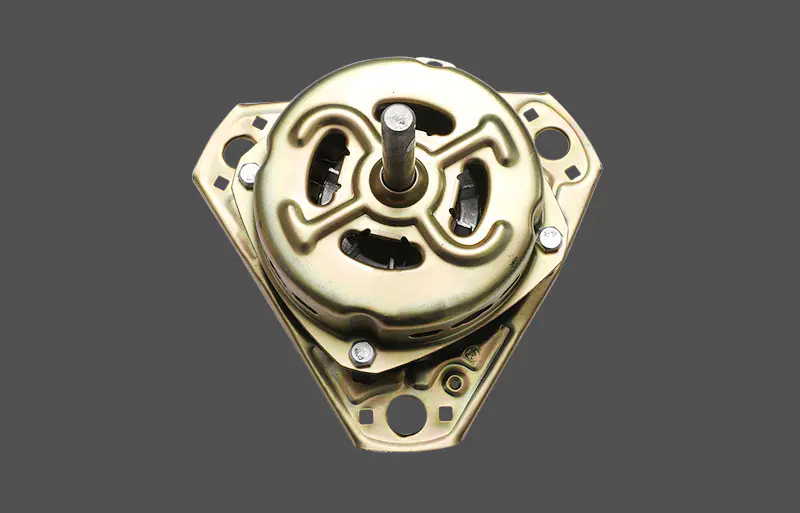
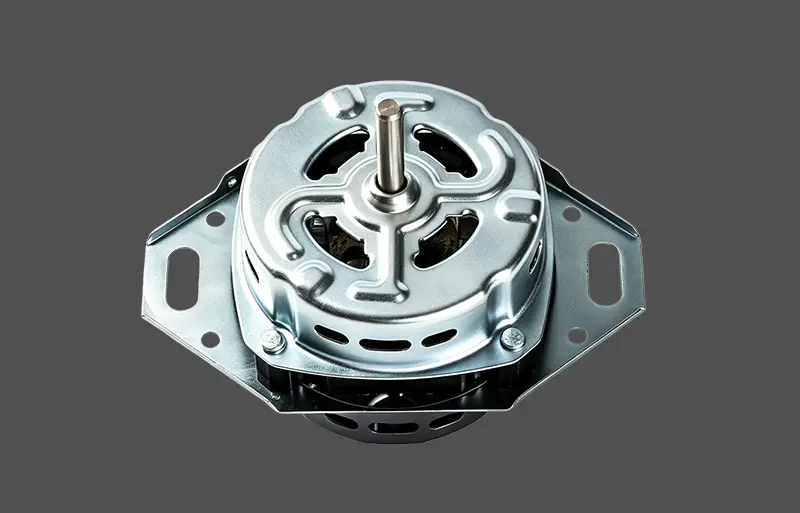
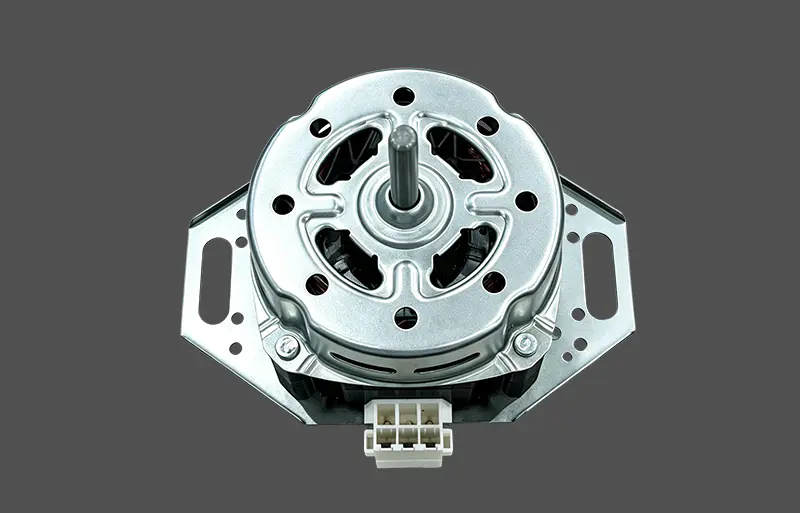
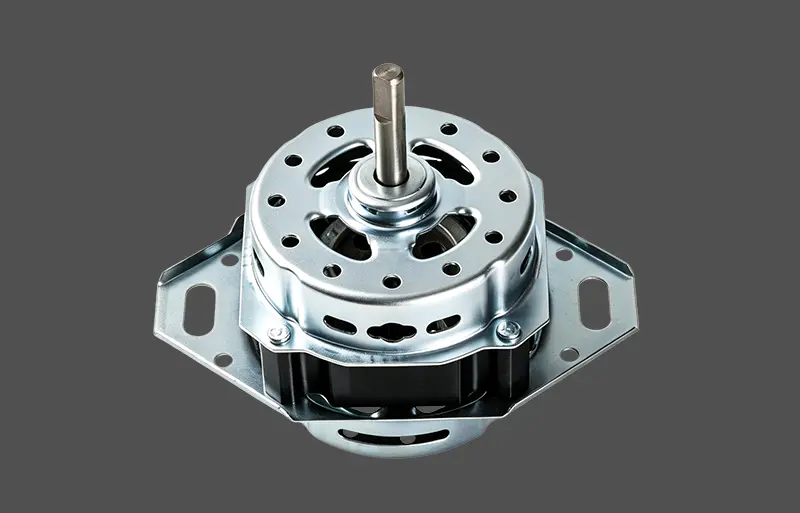
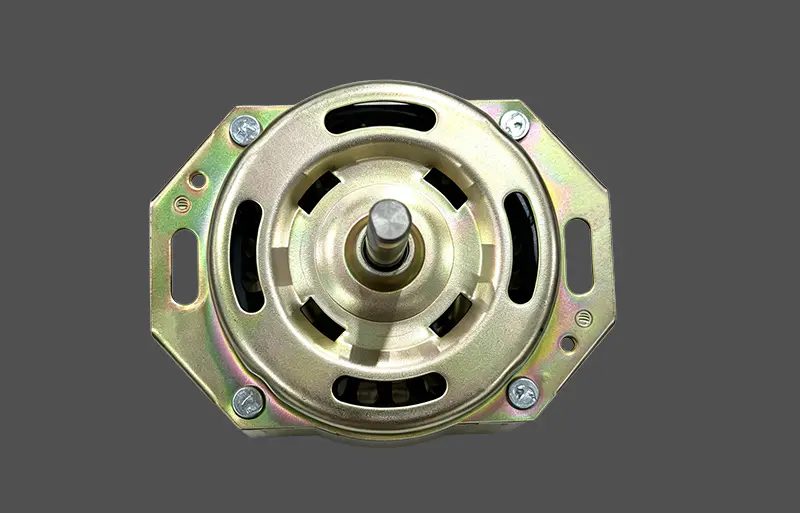
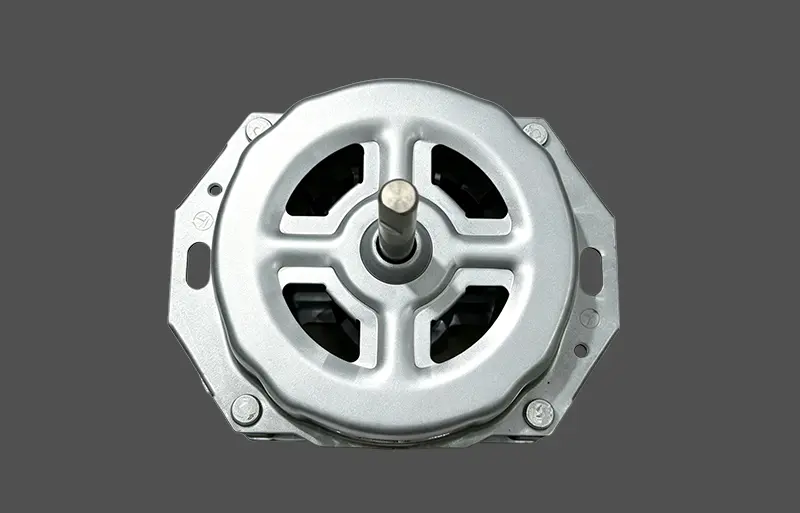
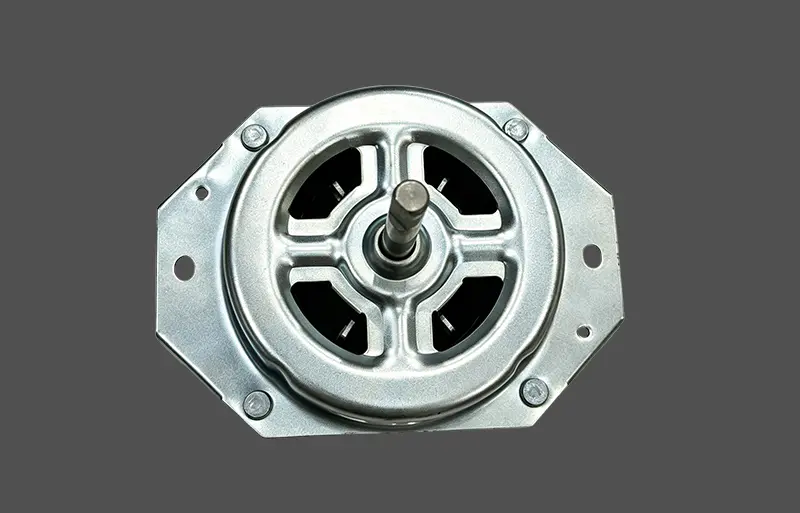
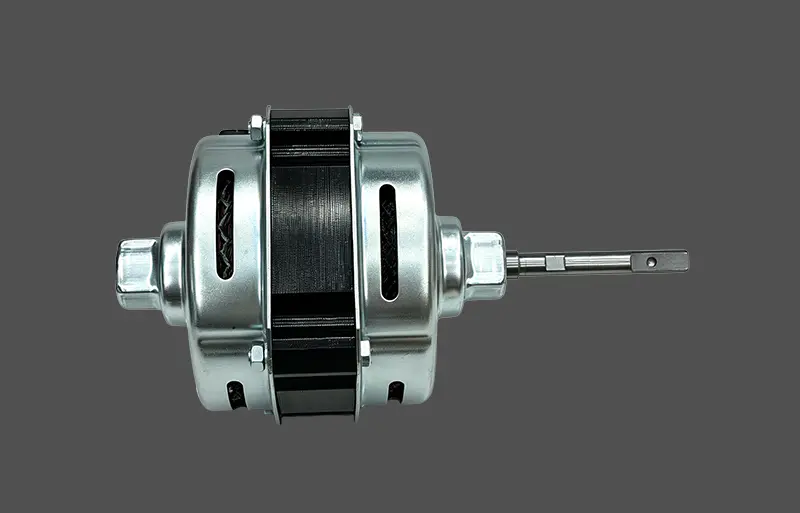
The Washing Machine Wash Motor is the heart of any laundry appliance. Under normal usage and ideal maintenance conditions, its average design lifespan typically ranges between 10 to 15 years.
However, due to differences in motor technology (such as the presence of carbon brushes or the drive method), the durability of different types of Washing Machine Wash Motors varies significantly. Below is a technical parameter comparison of the mainstream motors currently on the market:
Technical Performance Comparison Table of Washing Machine Wash Motors
| Performance Index |
Universal Motor |
Induction Motor |
BLDC Inverter Motor |
DD Direct Drive Motor |
| Estimated Lifespan |
5 - 8 Years |
8 - 12 Years |
12 - 15 Years |
15+ Years |
| Main Wear Parts |
Brushes, Bearings, Belt |
Capacitor, Bearings, Belt |
Bearings, Controller |
Bearings (No Belt) |
| Noise Level |
High (75-82 dB) |
Medium (70-78 dB) |
Low (55-65 dB) |
Very Low (50-60 dB) |
| Energy Efficiency |
Lower |
Medium |
High |
Very High |
| Common Applications |
Budget/Older Models |
Semi-auto/Top Load |
Mid-to-High End |
Premium Front Load |
- Universal Motor: Relies on carbon brushes to conduct current. Since brushes are consumables, physical wear limits their lifespan; they usually require replacement of the brushes or the entire Washing Machine Wash Motor after 5-8 years.
- Induction Motor: Simple structure with no brushes to wear out. However, as most use belt drives and experience high current surges during startup, there is significant wear on the capacitor and mechanical structure.
- BLDC and DD Motors: Represent the highest lifespan standards for a modern Washing Machine Wash Motor. They use electronic commutation instead of mechanical brushes, greatly reducing friction and heat. The DD Direct Drive Motor, in particular, eliminates belts and pulleys, reducing failure points in the transmission chain and often lasting the entire life of the machine.
Key Factors Affecting Washing Machine Wash Motor Lifespan
The actual service life of a Washing Machine Wash Motor often depends on its operating environment and load intensity. Below are the core factors and their technical impacts:
Core Factors and Motor Lifespan Correlation Table
| Impact Factor |
Key Parameter/Behavior |
Specific Impact on Motor |
| Wash Frequency |
>2 times/day vs. 2-3 times/week |
Frequent starts create inrush currents that accelerate insulation aging. |
| Load Weight |
Exceeding 80% rated capacity |
Motor torque output stays at peak, leading to high operating temperatures. |
| Voltage Stability |
Deviation > ±10% |
Low voltage causes current spikes; high voltage causes overheating/burnout. |
| Environmental Humidity |
Relative Humidity >85% |
Causes corrosion, grease degradation, and circuit board shorts. |
| Operating Temp |
Over 85°C (Winding temp) |
For every 10°C increase, the insulation life is halved. |
Mechanical Overload
When there is too much laundry or an uneven distribution (e.g., a single heavy blanket), the Washing Machine Wash Motor must overcome massive starting inertia. This not only increases belt wear but also pushes the magnetic field strength between the rotor and stator to the limit, generating excessive heat. Long-term operating at 100% load can shorten the motor's life by 30%-50% compared to operating at 60%-70% load.
Power Quality
The Washing Machine Wash Motor is highly sensitive to power quality. If the household voltage drops below 200V (for 220V systems), the motor draws more current to maintain speed, causing severe internal heating. At the moment of startup, the inrush current can be 3-5 times the rated current. Without proper control circuits, these shocks gradually destroy the motor's electromagnetic performance.
Ventilation and Environment
About 10%-20% of the energy converted by the motor is lost as heat. If heat cannot escape due to poor ventilation, it causes bearing grease to dry out and friction to increase. Additionally, moisture mixed with detergent residue can cause electrochemical corrosion on the aluminum brackets or copper windings of the Washing Machine Wash Motor.
Warning Signs of a Failing Washing Machine Wash Motor
Before a Washing Machine Wash Motor fails completely, it usually exhibits physical or electrical abnormalities. Early identification can prevent circuit burnout or severe mechanical damage.
Fault Signs and Detection Parameters Table
| Symptom |
Detection Index/Parameter |
Potential Technical Cause |
| Abnormal Noise |
Exceeding 85 dB (Grinding/Squealing) |
Worn bearings or insufficient brush length. |
| Weak Startup |
Torque drop >30% |
Failed capacitor or partial winding short circuit. |
| Overheating |
Casing temp > 70°C |
Blocked ventilation, overload, or increased resistance. |
| Speed Fluctuation |
Deviation > ±10% |
Hall sensor failure or inverter signal interference. |
| Electrical Odor |
Burning smell (Ozone) |
Insulation melting due to excessive heat. |
Auditory Warnings: Friction and Humming
- Metallic Squealing: This usually means the bearings in the Washing Machine Wash Motor have run dry of grease or the balls are damaged, significantly increasing the friction coefficient.
- Dull Humming: If the motor hums but does not turn when powered, it is usually a sign that the starting capacitor has lost capacity and cannot generate enough torque.
Visual and Olfactory Warnings: Smoke and Smells
- Sparking: For brushed Washing Machine Wash Motors, excessive sparking visible through the inspection hole indicates that the brushes are worn to the limit (usually less than 5mm remaining).
- Burning Smell: The insulation varnish on the motor windings decomposes at high temperatures, producing a strong electrical burning smell. This indicates the insulation grade is compromised.
Performance Degradation: Wash and Spin Cycles
- Weak Agitation: Under a standard load, the Washing Machine Wash Motor cannot reverse the drum or reacts sluggishly.
- Failure to Reach High Spin Speeds: The motor cannot accelerate to the rated speed (e.g., 1200 or 1400 RPM), often due to a drop in the power factor or abnormal feedback signals.
Maintenance Tips to Extend Washing Machine Wash Motor Lifespan
Regular maintenance and correct usage habits are essential to ensure the Washing Machine Wash Motor meets or exceeds its design life.
Maintenance Impact on Motor Lifespan
| Maintenance Measure |
Frequency |
Expected Life Increase |
Core Principle |
| Load Control (80% Rule) |
Every wash |
20% - 30% |
Reduces operating current and heat buildup. |
| Brush Inspection |
Every 3-5 years |
40% (Brushed only) |
Prevents worn brushes from damaging the commutator. |
| Belt Tensioning |
Once a year |
10% - 15% |
Reduces lateral pressure on motor bearings. |
| Dehumidification |
Ongoing |
15% - 25% |
Prevents drop in insulation resistance from moisture. |
Scientific Load Management
Avoid stuffing the machine to capacity. Excessive weight keeps the Washing Machine Wash Motor in a high-torque output state. It is suggested to keep the actual laundry weight at 70%-80% of the rated capacity. For an 8kg machine, use 5.5-6.5kg of dry laundry. This ensures the motor operates in its most efficient, low-temperature range.
Ensure a Healthy Electrical Environment
Unstable voltage is the enemy of the electronic components in a Washing Machine Wash Motor. If household voltage fluctuations exceed ±10%, consider a stabilizer. Avoid running other high-power appliances on the same circuit to minimize current interference.
Physical Environment: Ventilation
Washing Machine Wash Motors are usually located at the bottom or back, where moisture accumulates. After washing, keep the area ventilated for at least 30 minutes. If humidity stays above 80%, metal parts like silicon steel sheets can rust, increasing power consumption and shortening life.
Preventive Maintenance of Wear Parts
- Belts: Maintain proper tension. Too tight wears bearings; too loose creates heat via friction.
- Carbon Brushes: For Universal Washing Machine Wash Motors, replace brushes when they wear down to 5mm-10mm to avoid arcing damage to the commutator.
FAQ Regarding Washing Machine Wash Motors
How do I tell if the capacitor is broken or the motor itself is burnt?
This can be judged by physical behavior and electrical parameters. A broken capacitor often causes a humming sound but the motor can turn if you manually nudge the drum. A burnt motor shows no response even if nudged, and using a multimeter will show resistance as infinite (open circuit) or extremely low (short circuit).
Is it worth repairing an old motor or replacing it with a new one?
| Item |
Repair (Brushes/Capacitor) |
Replace with New Motor |
| Cost |
10% - 20% of new motor cost |
30% - 50% of machine value |
| Performance |
80% - 90% of original |
100% of original |
| Added Life |
2 - 5 Years |
10 - 15 Years |
| Scenario |
Simple brush/capacitor wear |
Burnt windings or severe corrosion |
Why is the motor much louder in spin mode than wash mode?
This is due to the exponential increase in speed parameters. In wash mode, there is low RPM. In spin mode, the motor shaft speed can exceed 10,000 RPM to reach drum speeds of 1000-1400 RPM. Any bearing imbalance, brush friction, or belt vibration is significantly magnified at these speeds.
Does a BLDC Inverter Motor really require no maintenance?
Not entirely. While it eliminates brushes, it still contains sealed bearings. BLDC motors are sensitive to heat and moisture. Their Inverter Boards are also vulnerable to voltage spikes. Keeping the environment dry and power stable is key.
Does leaving the machine idle for a long time affect the motor?
Yes. Long-term idleness can cause grease hardening in bearings, which increases friction upon restart. Additionally, capacitor degradation may occur if not electrified for long periods. If idle for over 3 months, run a self-clean cycle without laundry to warm up the motor at low speeds first.