


A ventilation fan motor that overheats after a few months of daily use can turn a reliable-looking exhaust hood into a source of complaints and warranty claims. In our experience building motors for range hoods, wall exhaust fans, and industrial ventilators, the motor specification is often the main difference between a product that lasts and one that gets returned. The motor determines air volume, noise, energy draw, and long-term endurance. So the right time to address motor quality is before you place the order, not after a field failure.
In short, choose a ventilation fan motor by matching it to the application, checking the electrical and mechanical specs, and verifying the manufacturer’s production capability. A motor that is correctly specified will deliver consistent airflow, stay within noise limits, and survive the environment it is installed in.
Ventilation fan motors are not one-size-fits-all. The best design for a small residential exhaust fan can fail quickly in a commercial duct system. Here is how the main categories differ.
Exhaust fan motors are typically small single-phase motors, often capacitor-start or shaded-pole designs. They need to start reliably under blade load, run quietly, and handle moderate heat from cooking areas. For a standard residential range hood or wall ventilator, this is the most direct choice. For example, the TY-068 exhaust fan motor is built for that type of duty, with stable torque and a compact mounting layout.
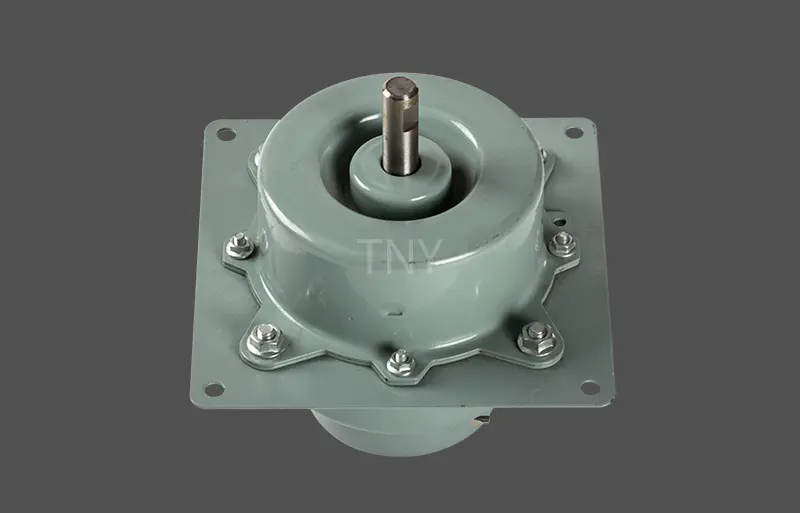 Wholesale Ty-068 High-Efficiency Low-Noise Electric Motor Suppliers, OEM/ODM FacShengzhou Tianyi Electric Appliance Co., Ltd is China Ty-068 High-Efficiency Low-Noise Electric Motor Suppliers and Ty-068 High-Efficienc...View Product →
Duct fans push air through long duct runs and may run for hours at a time. These applications demand better bearing quality, more conservative thermal design, and lower noise. A motor rated for continuous duty should have a higher service factor and more generous insulation class than a motor designed for intermittent use.
Kitchens, bathrooms, greenhouses, and industrial washdown areas create moisture and airborne particles. A standard open motor will corrode or clog. A fully enclosed motor with a high protection rating keeps the stator and bearings sealed. We offer a fully enclosed industrial waterproof motor for ventilating fans that is designed for these harsher environments.
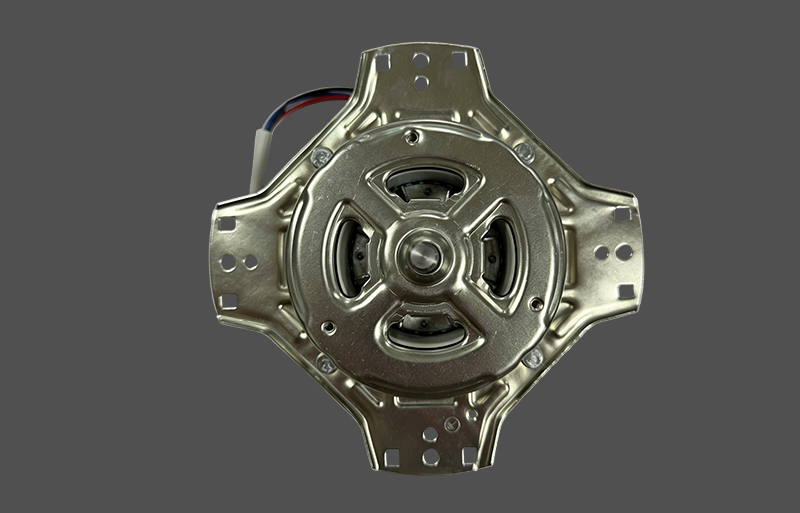 Wholesale Fully Enclosed Industrial Waterproof Motor for Ventilating Fans SuppliShengzhou Tianyi Electric Appliance Co., Ltd is China Fully Enclosed Industrial Waterproof Motor for Ventilating Fans Suppliers and Fully...View Product →
OEMs often need motors that can be adapted to different housings, voltages, or shaft lengths. A general lineup of ventilator motors gives engineers more freedom to match speed and torque to the impeller. If you are evaluating standard options, you can review the ventilator motors product line to compare available models and mounting configurations.
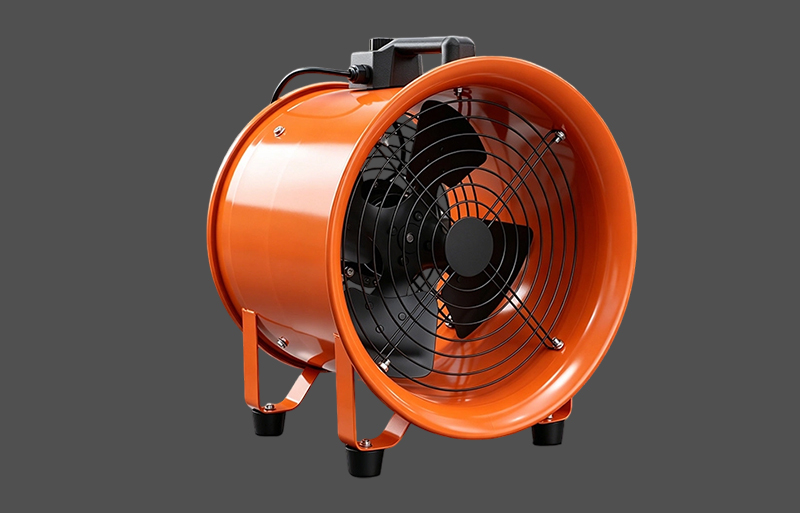 Custom Ventilator Motors Factory, ManufacturersAs China Ventilator Motors Manufacturers and Custom Factory, Shengzhou Tianyi Electric Appliance Co., Ltd provides types of Ventilator Mo...View Product →
Before you send a request for quotation, make sure the ventilation fan motor specification covers at least the following items. Each one has a direct effect on how the motor performs in your finished product.
| Specification | Why It Matters | What to Check |
|---|---|---|
| Voltage & frequency | Must match your target market's power supply | 110V/60Hz, 220V/50Hz, or dual-rated |
| Motor speed | Directly affects airflow and noise | RPM at rated load |
| Protection rating | Determines resistance to dust and moisture | IP20, IP44, IP54, or higher |
| Insulation class | Indicates maximum winding temperature | Class B or Class F |
| Bearing type | Affects noise and service life | Sleeve or ball bearing |
| Noise level | Critical for household and office products | dB(A) at rated speed |
| Certifications | Needed for market access and safety | CCC, CE, ISO9001 |
Voltage and frequency determine whether the motor will run at nameplate speed. A motor designed for 50Hz will run too fast on 60Hz unless it is specified to handle both. If your products go to both North America and Europe, a dual-rated motor saves inventory complexity.
Motor speed and blade design must be matched. A motor with too high an RPM may cause noise and vibration; too low an RPM will reduce airflow. Always specify the fan impeller dimensions and target CFM so the supplier can recommend the correct speed.
Protection rating is especially important for ventilation fan motors because they are often installed in humid or greasy environments. An IP44-rated motor protects against water splashes, while IP54 offers better dust protection. Open-frame motors are fine only in clean, dry indoor locations.
Insulation class and bearing type reflect thermal and mechanical longevity. Class F insulation allows a higher winding temperature than Class B, which helps in continuous-duty applications. Ball bearings are more durable than sleeve bearings for long-running fans, though sleeve bearings can be acceptable for low-load, intermittent use.
Noise level depends on motor construction, bearing quality, and balance. For residential ventilation products, keep the motor noise below 45–50 dB(A) at the rated speed when measured under standard conditions. Certifications such as CE and CCC confirm that the motor meets the safety requirements of your target markets.
The same basic motor can perform well in one environment and fail in another. Here is how the duty cycle and surroundings affect your choice.
The key is to state the environment honestly in your RFQ. If the motor will be exposed to water spray, high humidity, or particles, the supplier should recommend an appropriate protection rating rather than basing the quote on a standard open motor.
For OEM buyers, the manufacturing background of a ventilation fan motor supplier is not just marketing. It affects lead times, quality consistency, and the ability to solve problems. Here are facts that matter when you evaluate a factory like ours:
For ventilation fan motors specifically, this scale means the factory can maintain stable supply, repeatable machining tolerances, and consistent winding quality across large batches. It also means the engineering team has run many iterations of motor-to-impeller matching, so practical design problems are less likely to be discovered late in production.
A clear specification and a simple approval process help both sides move faster. When you are ready to source a ventilation fan motor, follow this order:
A good supplier will ask for this information early. If a motor vendor only requests a target price without asking about load or environment, that is a safety signal.
Here is a short recap of the decisions that will protect your product and your brand:
The goal is not to find the cheapest ventilation fan motor, but to find the most reliable one for your specific application. A motor that starts quietly, runs cool, and lasts through the product’s expected life is worth the extra attention during sourcing.
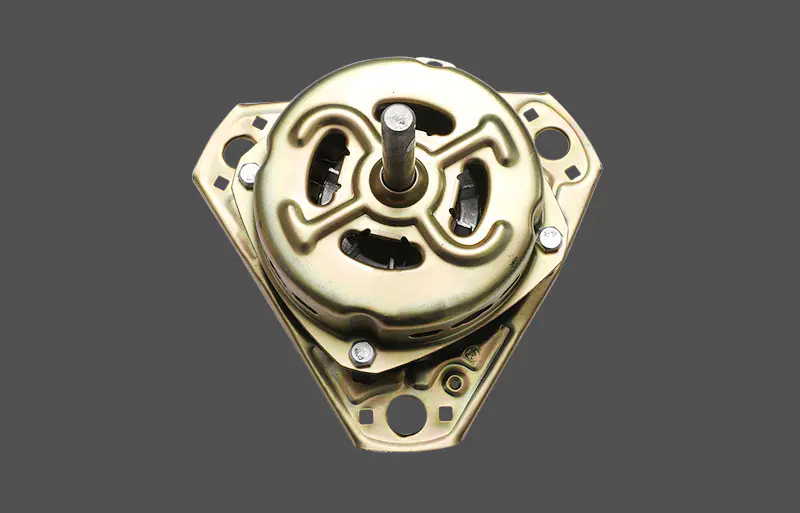
Ty001 Double-Tub Washing Machine Dedicated Motor
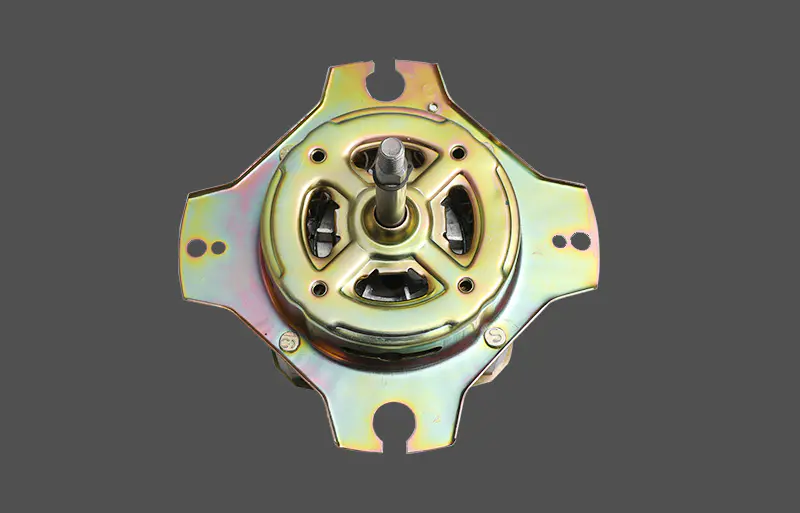
TY002 Powerful & Durable Copper-Wound Washing Machine Motor
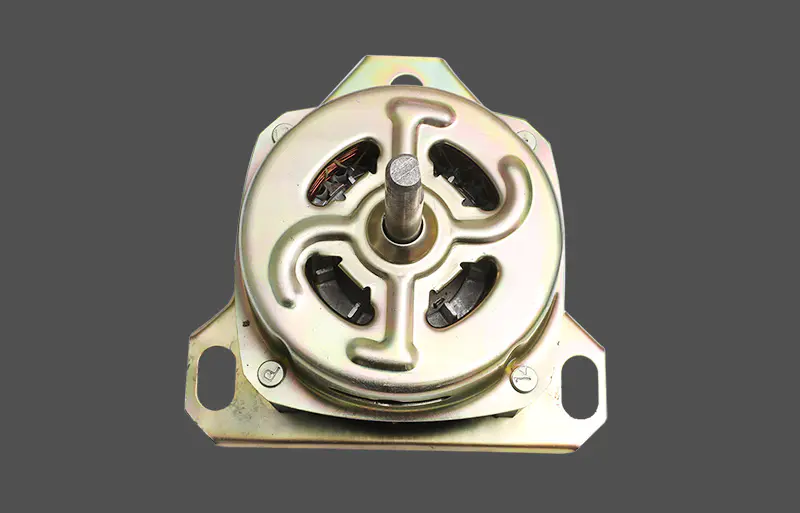
Environmental Cover Washing Machine Motor
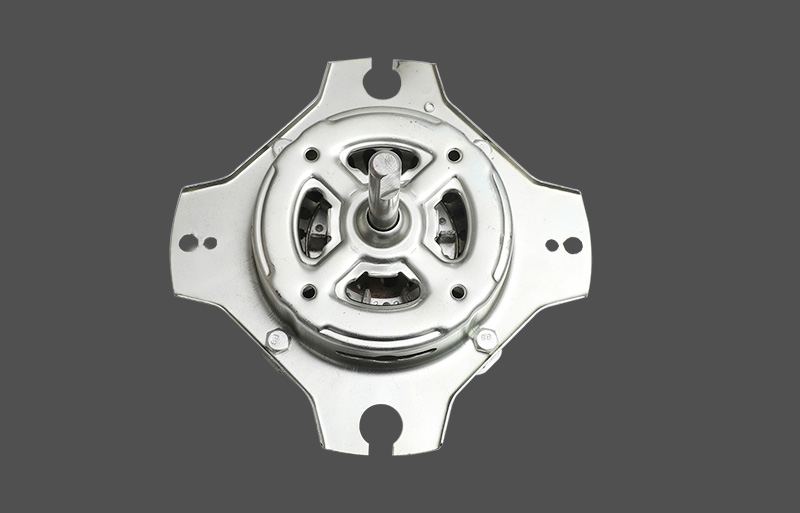
TY004 High-Efficiency Mini Copper Wire Washing Machine Motor
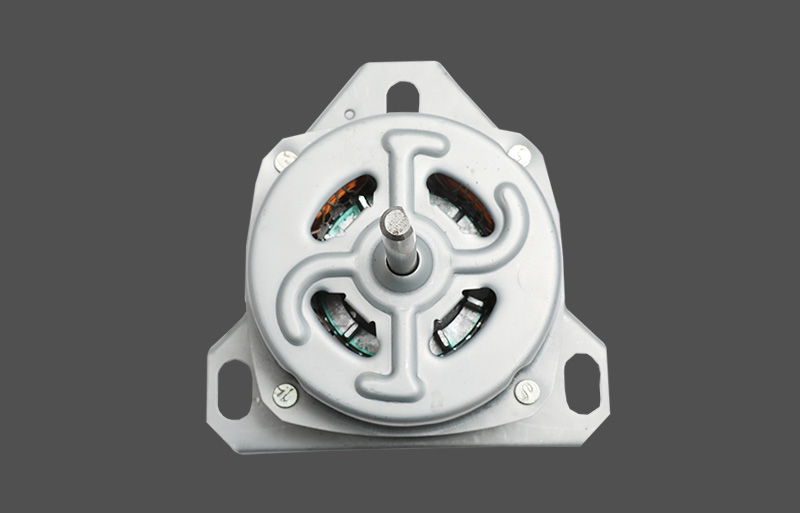
TY005 100% Copper Wire High-Speed Induction Motor
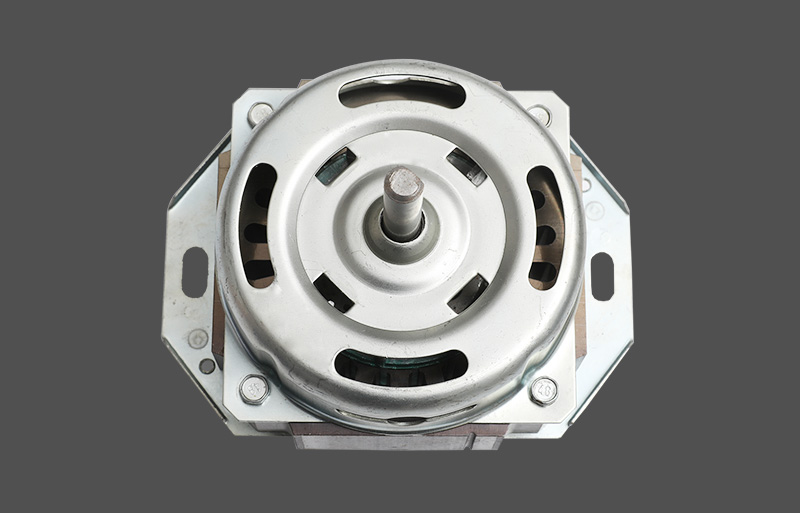
Home Appliance Parts Washing Motor
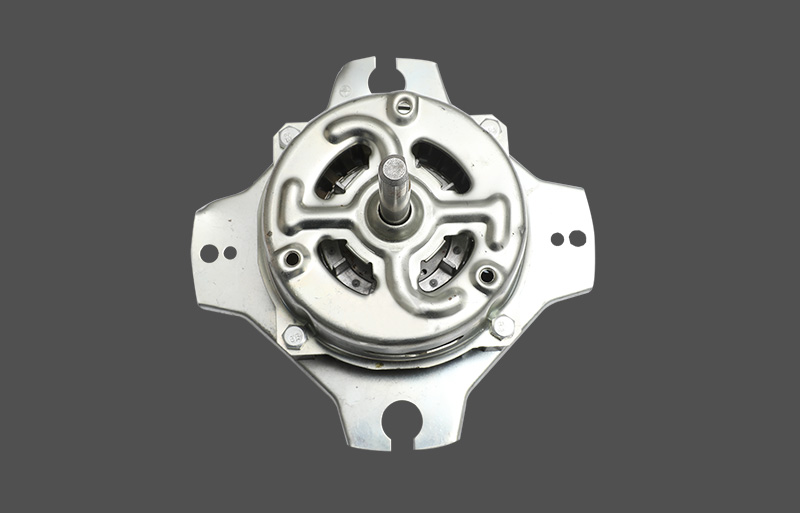
White Color CCA Motor
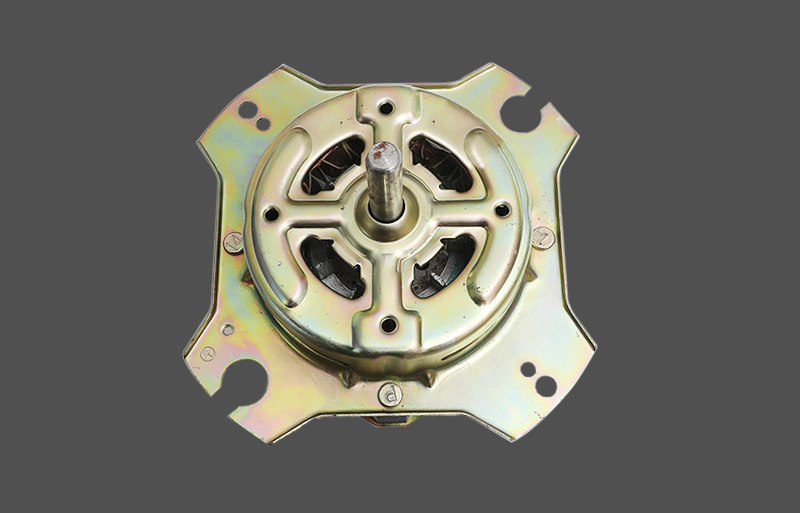
TY-008
Please leave your Email or phone nomber, so we can contact you as soon as possible.
Share


