In modern industrial equipment and home environment control systems, the driving efficiency of motors directly determines the stability and energy consumption performance of the system. According to application scenarios and load characteristics, selecting appropriate driving devices is the core to ensuring long-term efficient operation of equipment. Currently, in the field of refrigeration and power transmission, single phase ac motor and multi-phase power systems occupy the core market share. An in-depth understanding of the electrical parameters and operating logic of these motors is crucial for improving equipment maintenance efficiency and engineering selection.
Core Role of Single-Phase Asynchronous Motors in Air Conditioning Systems
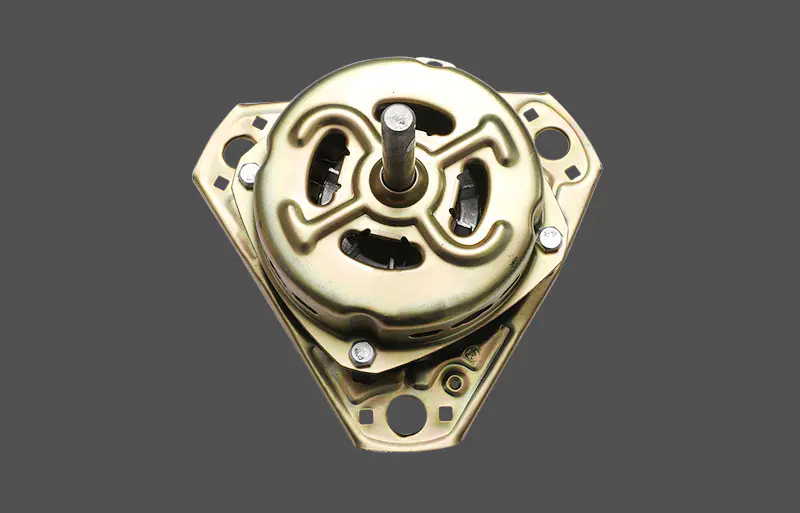
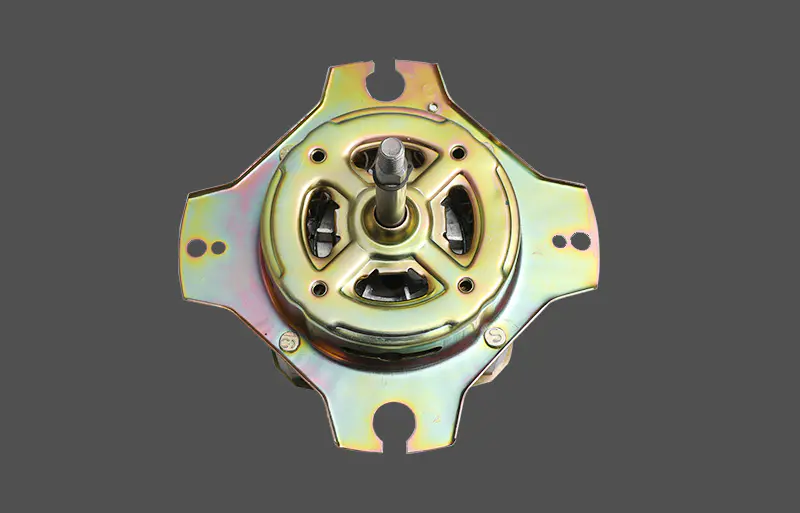
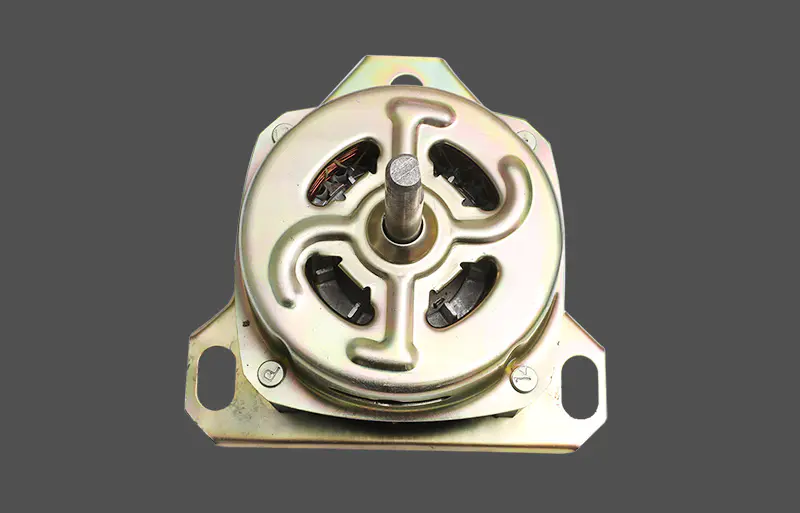
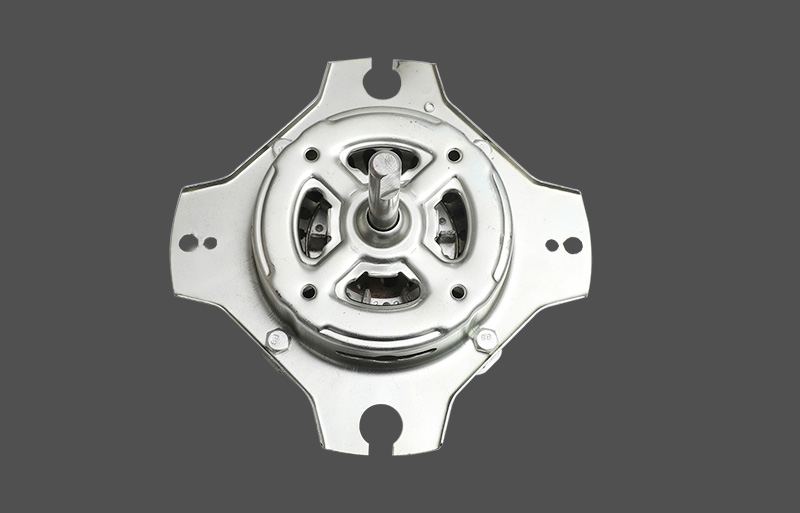
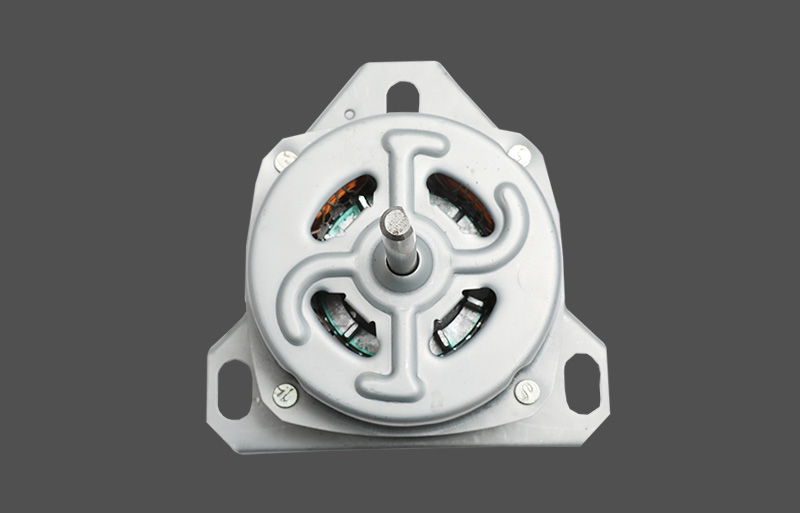
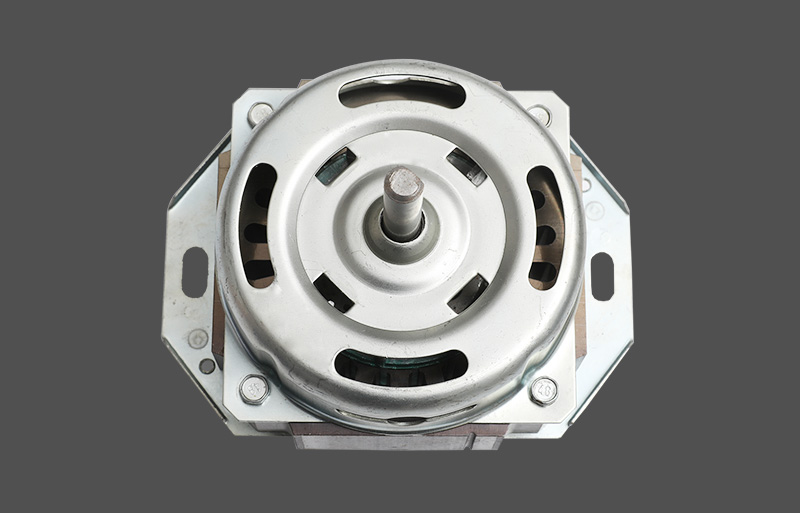
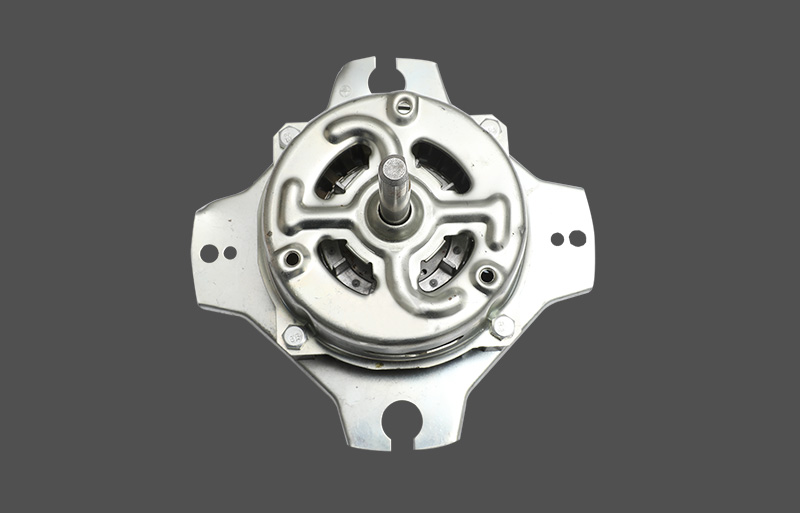
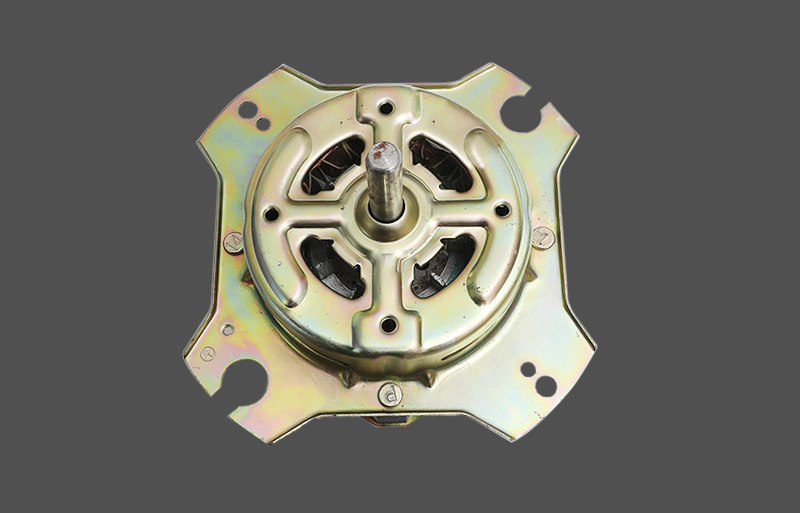
single phase asynchronous motor for air conditioner is the main driving force for modern home air conditioning compressors and indoor and outdoor unit fans. This type of motor is powered by single-phase alternating current, utilizing the capacitor start principle to generate a rotating magnetic field. Its operating principle lies in the induced current generated by the pulsating magnetic field produced by the stator winding as it cuts the rotating rotor, thereby forming electromagnetic torque.
In air conditioning refrigeration applications, the design focus of ac single phase induction motor is on starting torque and operating efficiency. Because air conditioning compressors are often under high pressure load at the moment of starting, a well-designed single-phase asynchronous motor must have a sufficiently strong starting capacitor to ensure that the motor can overcome inertia and gas pressure in a very short time. In addition, ac split phase motor is also common in such applications, providing phase difference through auxiliary starting windings, thereby achieving smooth starting in low-pressure environments.
Electrical Differences and Applicability Analysis of Power Drive Systems
In the field of industrial and light equipment driving, the number of phases and voltage specifications of the motor are key factors determining its output power and application range.
single ac motor: Suitable for various small rotating machinery, its structure is simple and easy to maintain. In ventilation equipment that requires continuous operation, the design of its speed stability is particularly critical.
single phase 240v motor: Often used in single-phase application scenarios with high load requirements. Compared with common 110V configurations, 240V voltage can effectively reduce current intensity, reduce line loss, and improve thermal stability during high-power output.
3 phase 110v motor: In specific power supply environments, it provides smoother torque output than single-phase systems, reduces vibration, and is suitable for industrial instrument drives that require high operating accuracy.
single phase ac synchronous motor: Unlike asynchronous motors, the speed of this type of motor is strictly synchronized with the power frequency and is widely used in timing devices or precision actuators that require extremely high fixed-speed control.
Comparison Table of Common Motor Technical Parameters
In order to intuitively display the performance characteristics of different types of motors, the following parameter comparison covers the main industrial and home motor categories:
| Motor Type |
Main Application Fields |
Speed Stability |
Starting Torque |
Energy Efficiency Grade |
Maintenance Requirements |
| single phase asynchronous motor |
Home Air Conditioning, Compressors |
Medium |
High |
High |
Low |
| ac split phase motor |
Light Load Drive, Fans |
Medium |
Medium |
Medium |
Low |
| single phase ac synchronous motor |
Precision Instruments, Timers |
Very High |
Low |
Medium |
Low |
| 3 phase 110v motor |
Industrial Automation, Small Pumps |
High |
High |
Excellent |
Medium |
Motor Operation Maintenance and Troubleshooting
In engineering practice, users should pay attention to the ambient temperature of motor operation and the stability of electrical connections. single phase ac motor common heating problems are usually caused by moisture in the windings, blocked ventilation, or excessive load. For equipment using single phase asynchronous motor for air conditioner, the capacitance of the starting capacitor should be checked regularly. If the capacity attenuates, it will cause difficulty in starting the compressor or frequent overload protection shutdown.
For equipment using ac single phase induction motor, if there is a decrease in speed or increased noise, the bearing wear and grease state should be checked first. For single phase 240v motor operating in harsh environments, emphasis should be placed on monitoring the oxidation of terminal connections to prevent local high temperature caused by excessive contact resistance. In addition, by reasonably matching the load inertia of the motor, it can not only improve the system response speed, but also significantly reduce electrical energy loss during operation. When choosing a drive solution, one should strictly follow the rated load curve and avoid long-term overload operation outside the working interval to extend the service life of the equipment.