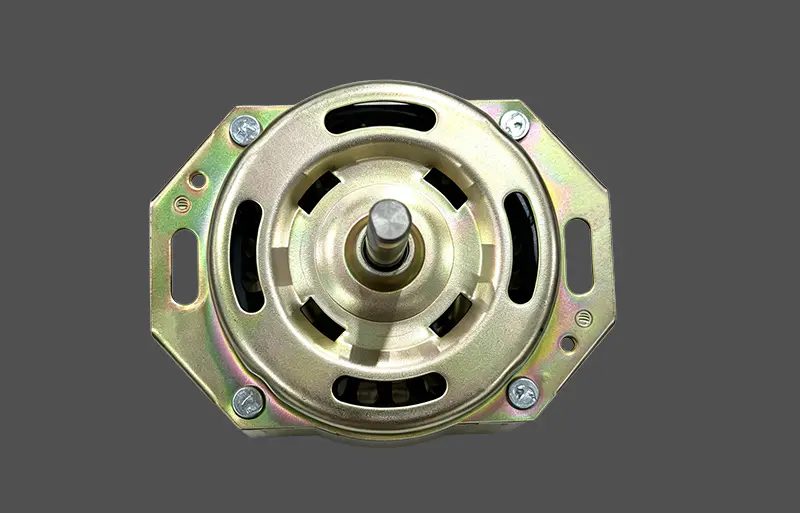
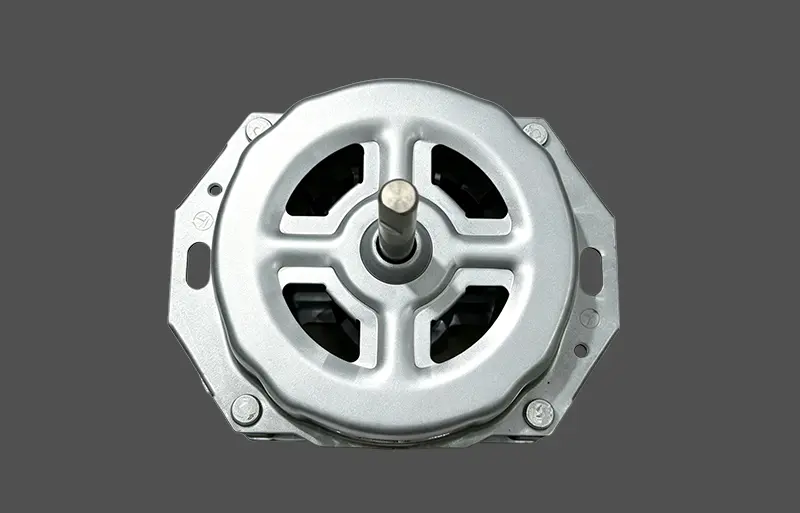
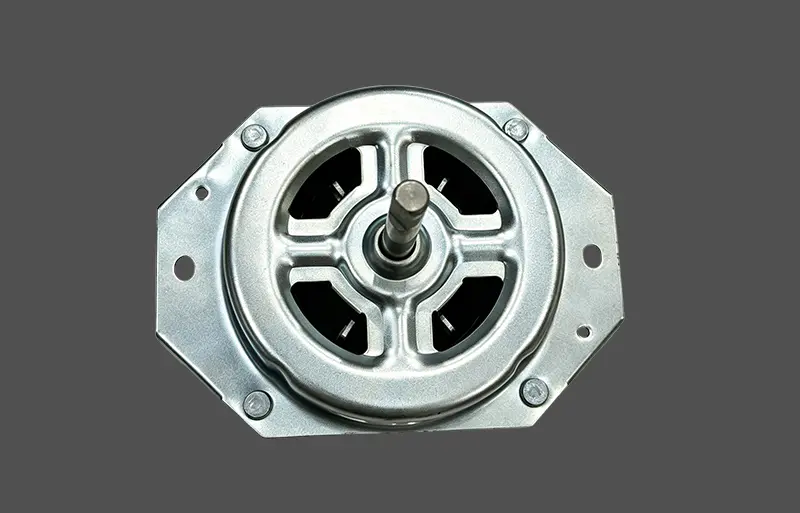
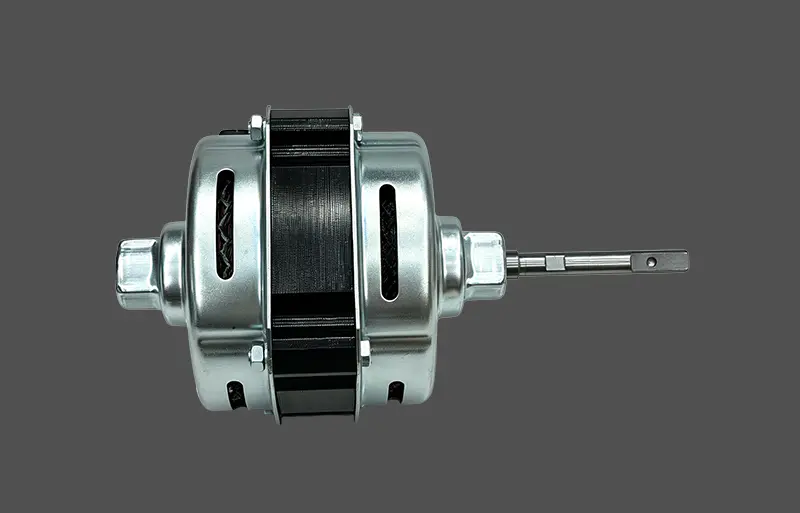
In modern ventilation and air quality management systems, the efficiency of air circulation directly determines environmental safety and comfort. Matching the right exhaust fan for different spatial requirements is the core of ensuring effective air exchange. Whether it is a bathroom exhaust fan in a residential setting, or commercial exhaust fans and industrial exhaust fan units that require precise airflow organization, technical parameters and structural designs differ significantly.
Performance Comparison of Exhaust Equipment
Understanding the baseline parameters of different types of ventilation equipment is a prerequisite for high-efficiency ventilation. The following is an analysis of the performance differences across various application scenarios:
| Performance Parameters |
bathroom exhaust fan |
commercial exhaust fans |
industrial exhaust fan |
| Application Environment |
Small enclosed spaces |
Offices, retail, dining spaces |
Factories, warehouses, heavy industry |
| Exhaust Volume (CFM) |
50 – 150 |
200 – 1,500 |
2,000 – 20,000+ |
| Static Pressure Demand |
Low (noise priority) |
Medium (overcoming duct resistance) |
High (dust and long-distance transport) |
| Durability Level |
Standard |
Reinforced |
Heavy-duty |
| Primary Function |
Dehumidification, odor control |
Temperature control, odor processing |
Cooling, smoke extraction, dust removal |
bathroom exhaust fan: Balancing Silence and Dehumidification
In small-scale ventilation, the core design objective of a bathroom exhaust fan is efficient dehumidification under low noise levels. The technical key lies in the aerodynamic optimization of the impeller and motor noise control. During selection, it is necessary to match the space area and consider the static pressure loss of duct bends. It is recommended to choose models equipped with humidity sensor technology to ensure automatic operation when humidity hits a threshold, reducing energy waste and extending equipment life.
commercial exhaust fans: Air Circulation Logic in Multiple Scenarios
commercial exhaust fans are widely used in environments requiring continuous air quality monitoring. The design focus of this equipment is to balance energy efficiency and air exchange frequency. Compared with residential equipment, commercial ventilation systems emphasize multi-unit linkage and variable frequency control. Through precise speed adjustment, the system can adjust exhaust power in real-time based on indoor air pollution concentrations, such as carbon dioxide or volatile organic compound levels, to achieve dynamic balance.
industrial exhaust fan: High-Pressure Transport in Harsh Working Conditions
The industrial exhaust fan is specifically designed for complex environments such as high temperatures, high dust levels, or chemical vapors. In machining, welding, or chemical production, this equipment must not only have high exhaust volume but also strong corrosion and wear resistance.
Core Technical Requirements for Industrial Ventilation Design
Material Weatherability: Impellers and housings are often made of stainless steel or reinforced alloys with anti-corrosion treatments to resist industrial gas erosion.
Static Pressure Efficiency: Industrial environments are usually accompanied by complex duct layouts. High-performance axial or centrifugal motors are key to ensuring constant airflow during long-distance extraction.
Protection Level: Motors typically feature sealed protection designs to prevent conductive dust or liquid splashes from entering the internal components, avoiding circuit failure.
Explosion-proof Performance: In specific sectors, motors and blades must meet explosion-proof standards to eliminate spark risks caused by static electricity or friction.
Scientific Selection to Optimize Operational Environments
Correctly identifying requirements is key to improving ventilation system efficiency. When evaluating ventilation plans, it is necessary to calculate the total exhaust volume in CFM and anticipated static pressure loss. For high-load operation sites, priority should be given to models equipped with overload protection and long-life bearings. Reasonable installation height and exhaust vent placement can maximize airflow organization efficiency, effectively reduce energy consumption, and enhance operational robustness while ensuring air quality.