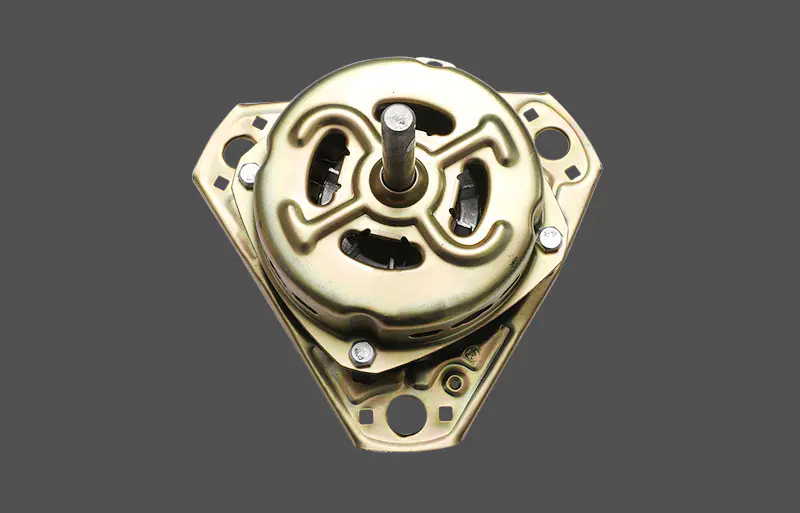
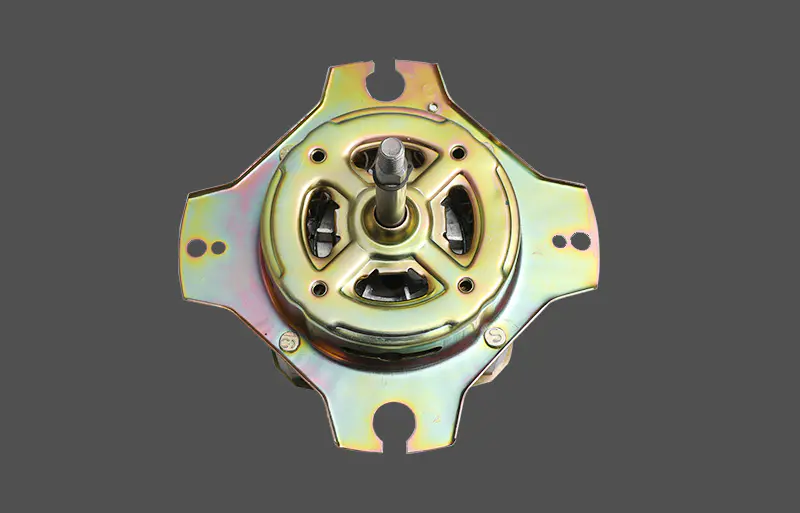
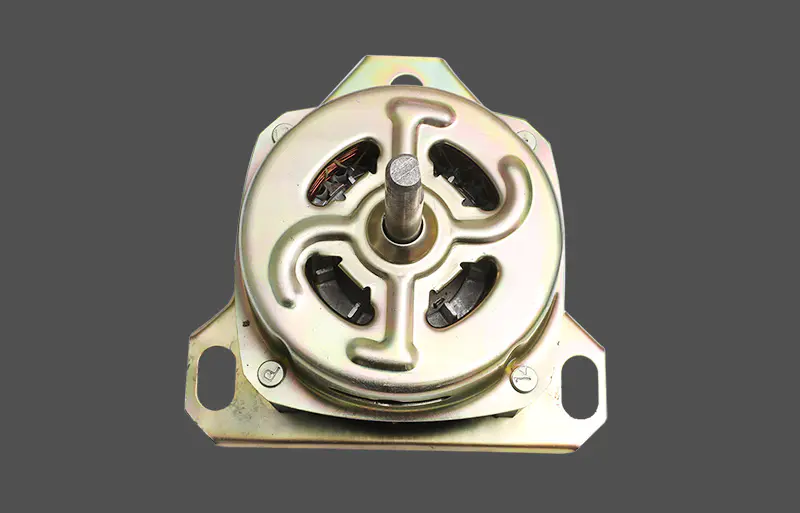
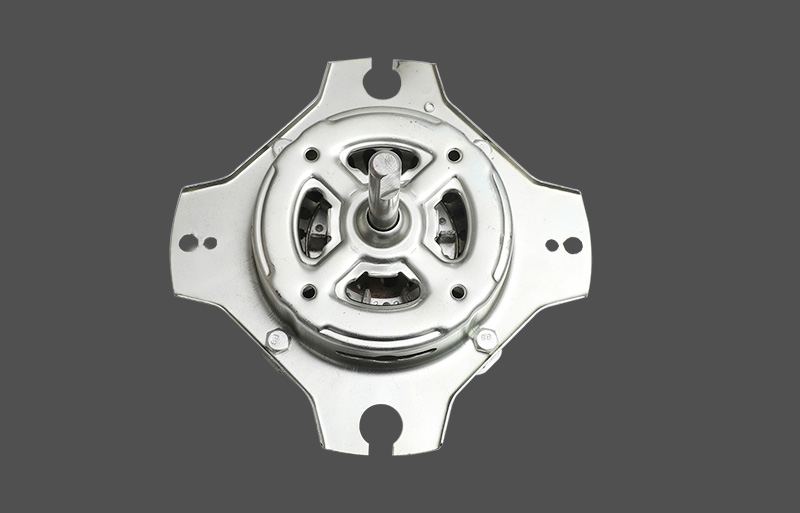
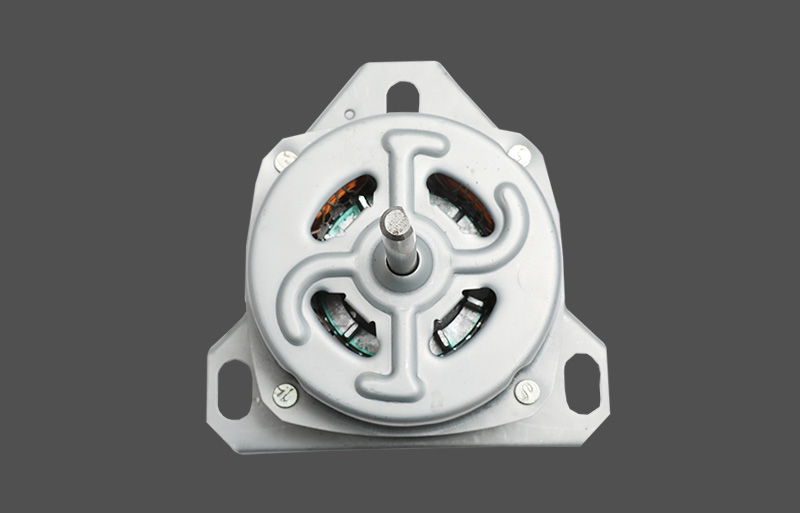
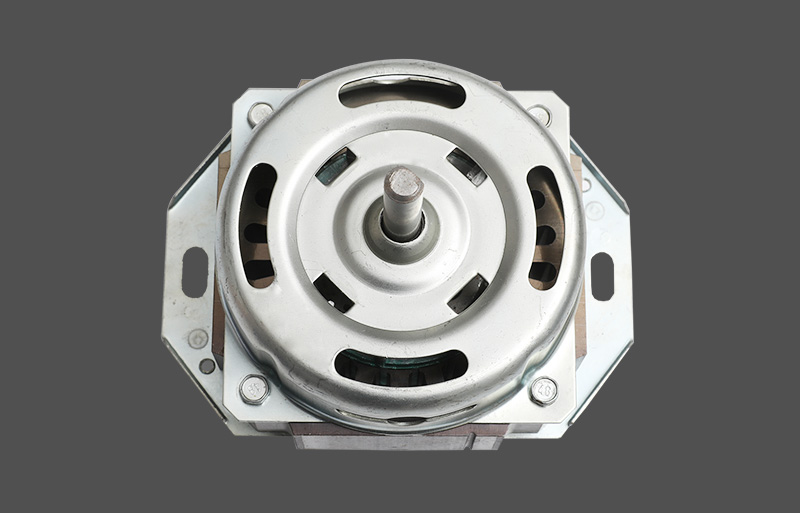
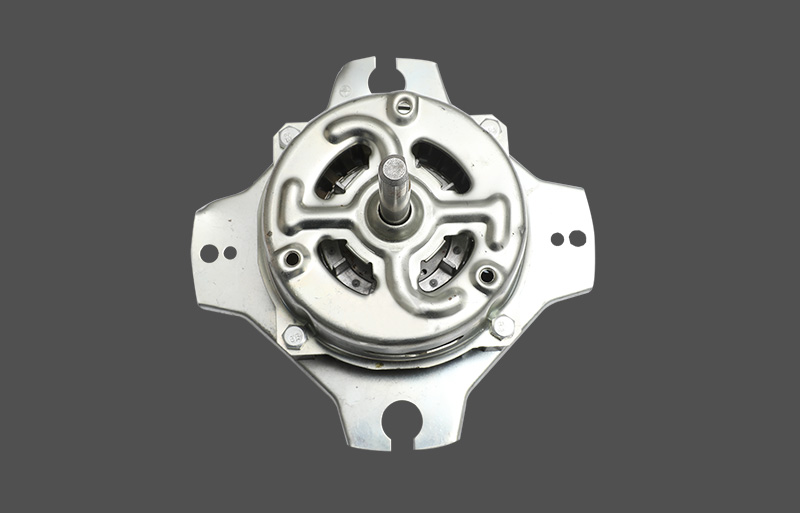
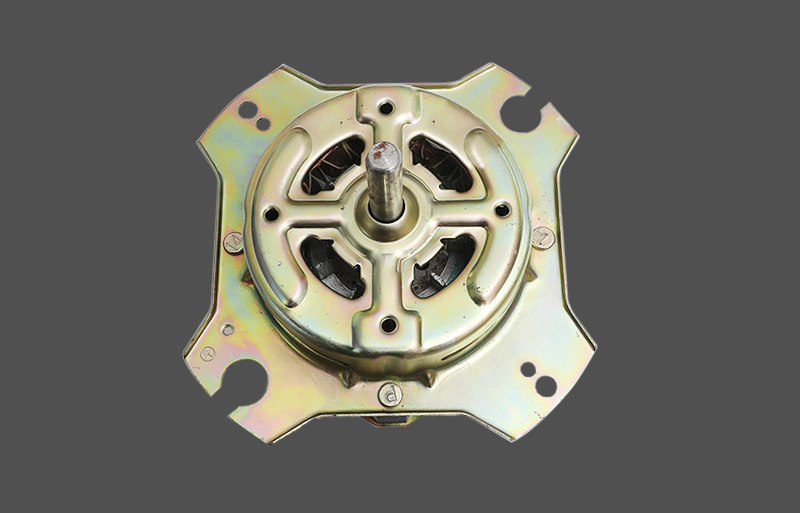
In the field of modern home appliance manufacturing, the performance of the drive system directly determines the overall lifespan and efficiency of the equipment. As one of the most core components in household appliances, the technological evolution of the washing machine wash motor is not only related to the energy efficiency ratio but also directly affects the noise reduction effect and the reliability of the mechanical structure during the washing process. For high-frequency use washing equipment, an in-depth understanding of the mechanical characteristics and parameter standards of washing machine motors is key to ensuring long-term stable operation of the equipment.
Core Classification and Driving Mechanism of Washing Motors
Currently, the driving systems in the market are mainly divided into induction motors, universal motors, and brushless DC motors which have become mainstream in recent years. The design intention of each washing motor is to provide constant torque output under different load conditions.
Capacitor Induction Motor: This type of motor has a simple structure and generates a phase difference through a starting capacitor. Its advantage lies in low maintenance cost and strong durability, making it the first choice for early traditional washing equipment.
Universal Motors: These have high starting torque and can output large power in a small volume. Although the carbon brush structure generates certain physical wear, it performs excellently in high-speed dehydration stages.
Brushless DC / Permanent Magnet Synchronous Motor (BLDC/PMSM): This is the core of current high-end washing technology. Through integrated circuit control, precise frequency conversion speed regulation of the washing machine wash motor can be achieved, significantly reducing energy loss.
Core Technical Parameter Comparison of washing machine motors
To objectively evaluate the performance of different drive units, the following table lists the key technical parameter indicators of washing machine motors under standard environments:
| Parameter Project |
Induction Motor |
Universal Motor |
BLDC/DD Motor |
| Rated Speed (RPM) |
1400 - 2800 |
8000 - 15000 |
500 - 18000 (Adaptive) |
| Energy Conversion Efficiency |
60% - 70% |
50% - 65% |
85% - 95% |
| Noise Level (dB) |
Medium (55-65) |
Higher (70+) |
Low (45-55) |
| Torque Output Characteristics |
Constant, low start torque |
High start torque, load sensitive |
High torque at all ranges |
| Temperature Rise Control |
Good |
Easily heats up |
Excellent (Internal sensor) |
| Service Life (Hours) |
> 5000 |
2500 - 3500 |
> 10000 |
Solving Washing Stability: Key Factors Affecting washing motor Efficiency
In actual operation, the washing machine wash motor often faces complex dynamic loads. The precision of motor bearings, the purity of winding coils, and the dynamic balance of the rotor together determine the vibration amplitude during the washing process.
Insulation Grade and Heat Resistance: High-quality washing machine motors usually use Class F or Class H insulated enameled wire to ensure that the internal coils do not suffer from insulation breakdown due to excessive temperature rise under continuous heavy-load operation.
Torque Fluctuation Control: When clothes are unevenly distributed in the drum, the motor faces sharp instantaneous load changes. Advanced control algorithms can compensate for the speed of the washing machine wash motor in real-time, adjusting the phase angle by detecting current feedback to offset the physical impact caused by imbalance.
Electromagnetic Interference (EMC): High-quality motors incorporate built-in choke coils or metal shields during the design phase to reduce electronic pulse interference generated during operation on the main control circuit board, improving the stability of the entire machine.
Maintenance and Mechanical Troubleshooting Recommendations
For noise or startup difficulties that may occur during the use of a washing machine wash motor, technical diagnosis should be carried out simultaneously from the power end and the mechanical end.
If startup is weak, it is usually necessary to check the capacity attenuation of the starting capacitor or the contact pressure of the carbon brushes; if high-frequency screaming occurs, it often points to lack of oil in the bearings or ball wear. Regularly checking whether the mounting brackets of washing machine motors are loose, as well as the tension of the transmission belt, can effectively extend the physical life of the drive system.
For highly integrated direct drive (DD) type washing motor, the structure eliminates the traditional belt drive, and the rotor directly drives the drum. This design reduces energy loss in mechanical transmission parts and lowers the failure rate. However, this type of motor has higher requirements for the accuracy of signal feedback from the controller, and any sensor data deviation may lead to the motor reporting a fault code and stopping.
Through strict control of the physical characteristics and electrical parameters of the washing machine wash motor, washing equipment can maintain excellent energy consumption control and operating quality while running efficiently. Understanding these technical details helps in making informed choices during the procurement stage and provides a solid theoretical foundation for subsequent equipment maintenance.