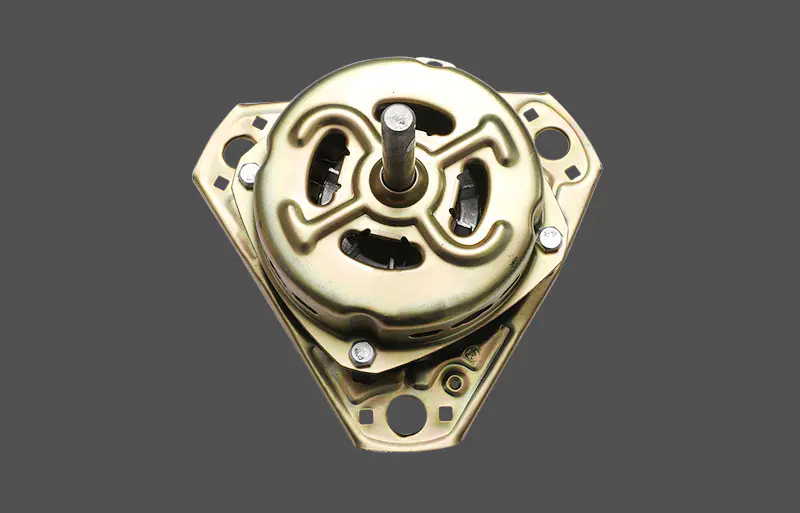
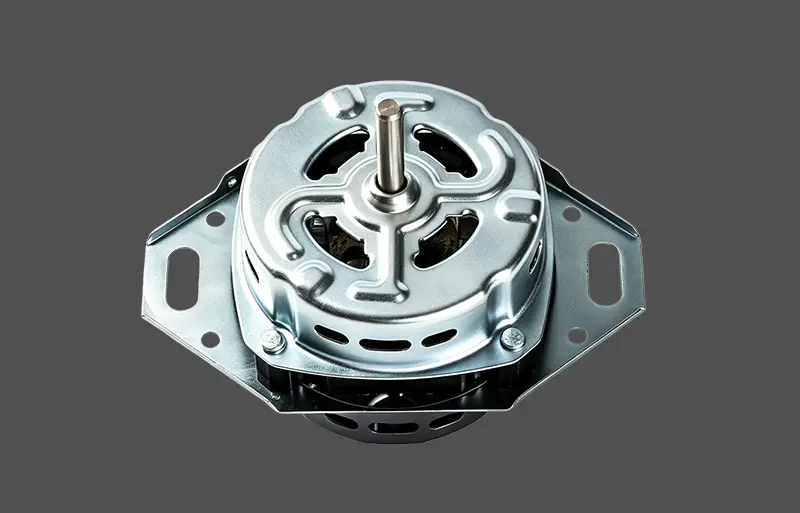
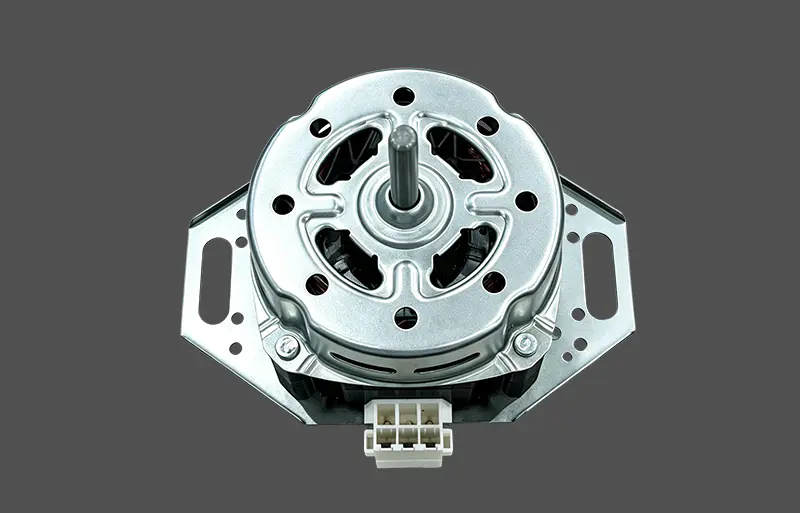
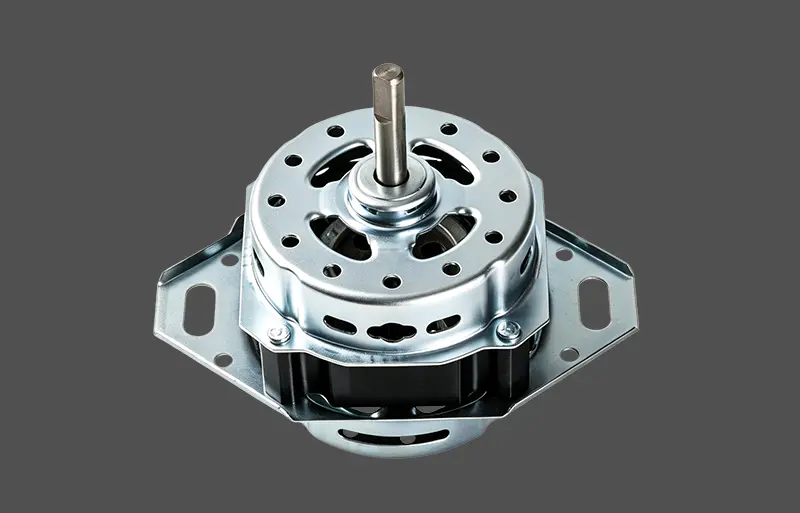
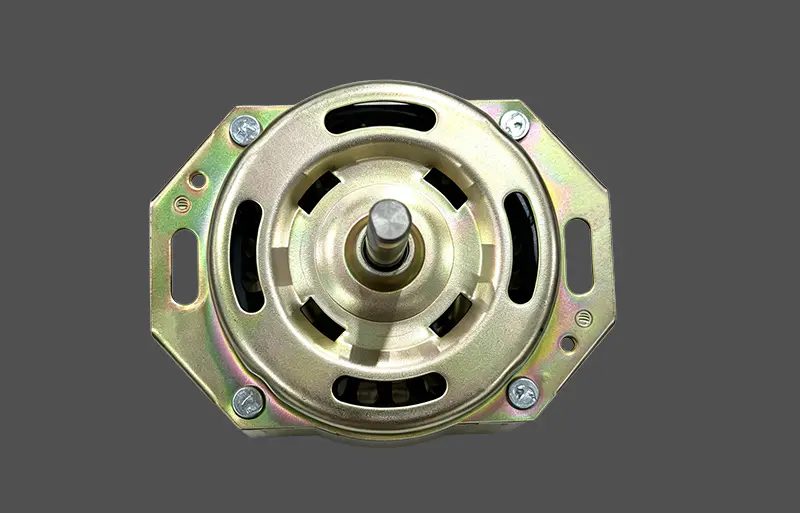
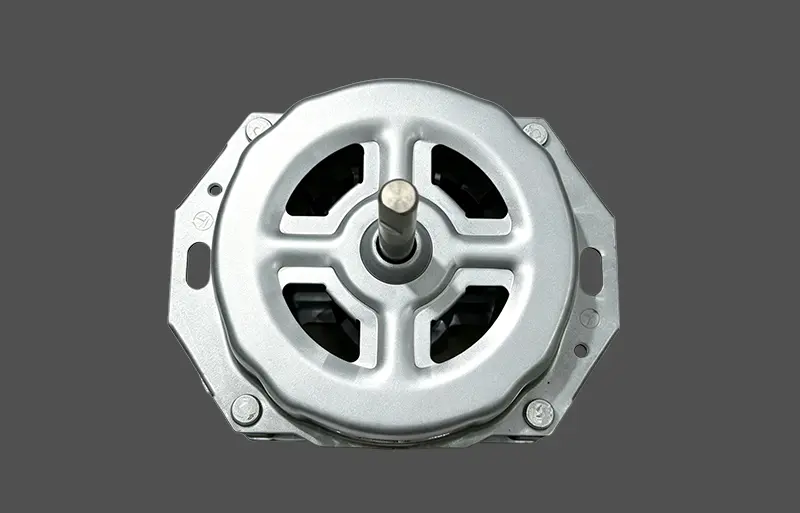
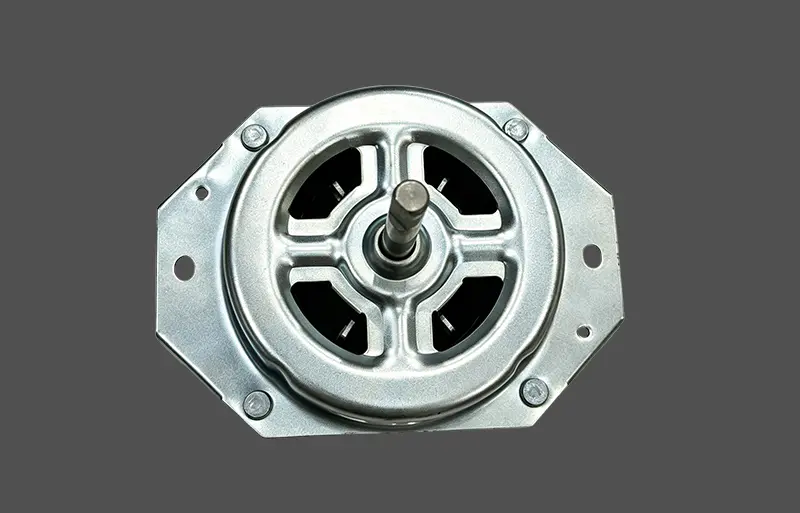
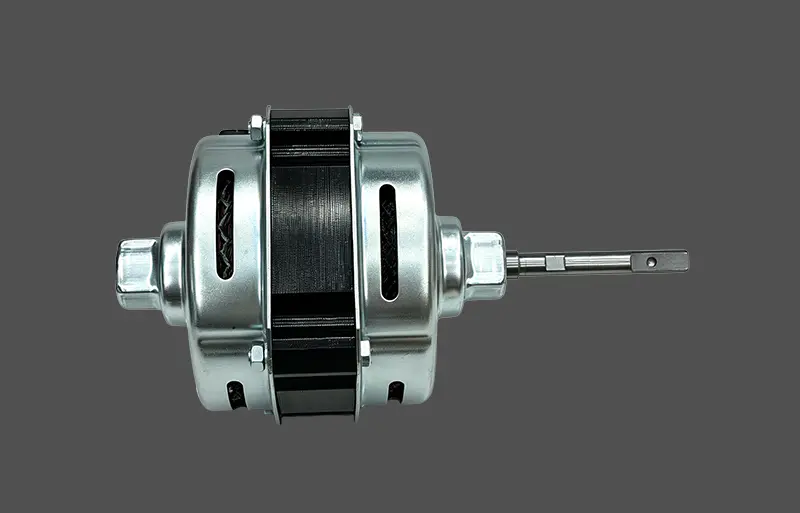
The washing machine motor is a critical component in modern appliances, responsible for driving the drum to rotate. If the motor malfunctions, it can cause the washing machine to stop working properly and impact washing performance and the device’s lifespan. Understanding how to detect motor failures can help users avoid unnecessary repairs and costs, improving the overall appliance experience.
1. Start-Up Test: Listen to the Sound and Motor Response
The motor’s start-up process is the most direct way to check its functionality. First, start the washing machine and select a program. Pay attention to the start-up noise of the motor. Normally, the motor should start smoothly without any unusual vibrations or roaring sounds. If the motor makes loud noises or experiences obvious stuttering during start-up, this could indicate a motor malfunction. Moreover, if the washing machine does not start at all, it could be an issue with the motor or the motor control system.
2. Motor Speed Test: Observe Washing and Spinning Functions
The motor's speed is a key indicator of its performance. In a normal washing machine, during the washing and spinning cycles, the motor should maintain a steady speed. During the washing cycle, the motor typically runs at a lower speed, while during the spinning cycle, it needs to rotate at a high speed. By observing the washing machine’s speed, users can determine if the motor is working properly. If the motor is running slower than expected or fails to reach the intended speed, it may indicate a malfunction.
3. Vibration and Noise Issues: Detect Abnormal Vibrations
When the motor fails, it is often accompanied by unusual vibrations and noises. If the washing machine exhibits severe shaking or emits abnormal roaring sounds during operation, this could point to problems with the motor or its connection to other components. Especially during the spinning cycle, abnormal motor vibrations may cause the entire washing machine to become unbalanced, which is a common sign of a mechanical fault in the motor.
4. Motor Overheating: Detect Temperature Changes
Washing machine motors can heat up after prolonged use, but under normal conditions, the motor should dissipate heat through a cooling system to avoid overheating. If the motor’s temperature rises abnormally during operation and the surface of the washing machine feels excessively hot, it could mean that the motor is overloaded or there is an internal fault preventing proper heat dissipation. In this case, the washing machine should be turned off and inspected for repairs.
5. Motor Not Spinning: A Common Fault Indicator
If the motor completely stops working, this indicates a serious fault. In this case, the user can first check the power supply and the electrical circuit to ensure that the power is normal. If the power supply is fine but the motor still does not respond, the motor itself may be damaged, or there could be an issue with the connection between the motor and the control system. At this point, it is recommended to have a professional technician inspect and repair the motor.
6. Check Motor Voltage and Power
The motor’s power and voltage requirements are the basic conditions for proper operation. Using an underpowered or overpowered supply can damage the motor. If a motor malfunction is suspected, a multimeter can be used to check whether the input voltage to the motor is within the required range. If the voltage is unstable or fluctuating, it may be one of the causes of motor failure.
7. Relationship Between Control Board and Motor
Modern washing machines often come equipped with an electronic control system, which regulates the motor's operation through a control board. If the control board malfunctions, it can prevent the motor from operating properly. Inspecting the control board for damage, poor connections, or electrical short circuits is an important step in diagnosing motor issues. At this point, users can check if the control signals to the motor are functioning correctly, or disconnect the motor from the control system to see if the motor operates independently.
8. Other Fault Diagnosis Methods
In addition to the methods mentioned above, users can also inspect other components of the washing machine to assist in determining whether the motor is faulty. For example, checking if the connection between the motor and the belt is loose, or if the belt shows signs of wear. Sometimes, motor failure may be related to mechanical issues in the motor’s connection parts. A comprehensive inspection is necessary to accurately pinpoint the fault.