In the field of modern appliance maintenance and technical service, the stable operation of washing machines relies heavily on key electromechanical components. For technicians and equipment maintainers, accurately identifying and understanding the working principles and troubleshooting logic of washing machine wash motor, washing machine motors, and automatic washing machine drain motor is critical to improving equipment efficiency.
Technical Architecture and Performance Indicators of Washing machine wash motor
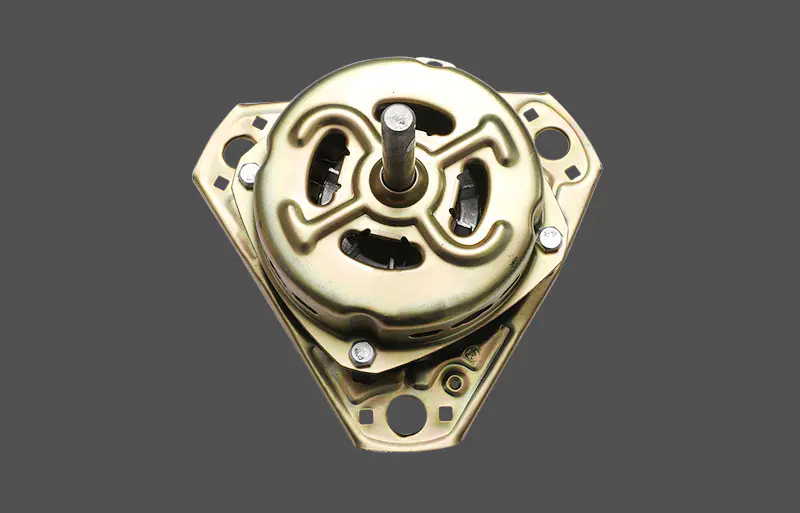
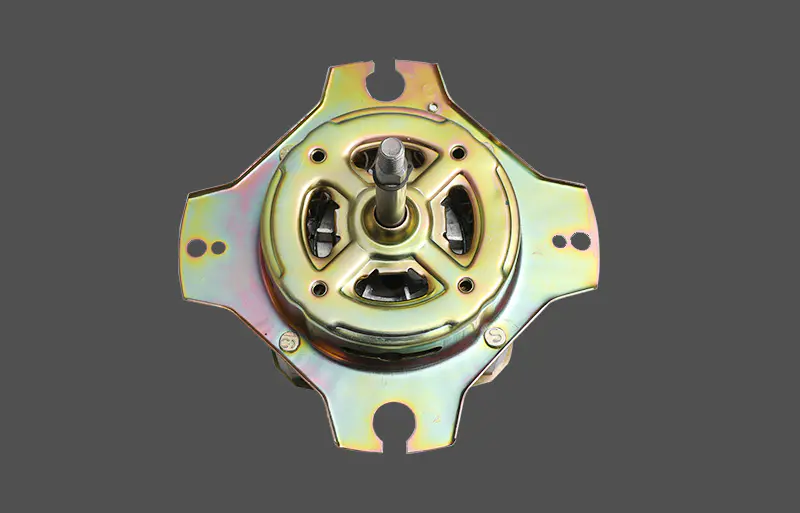
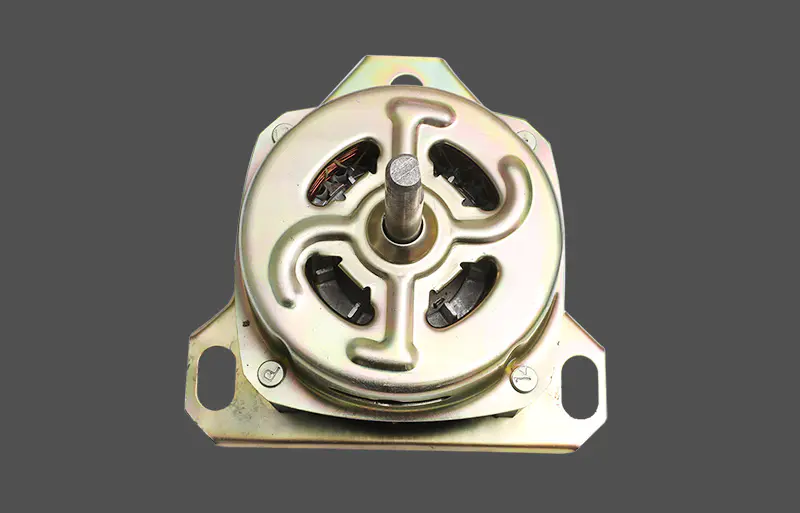
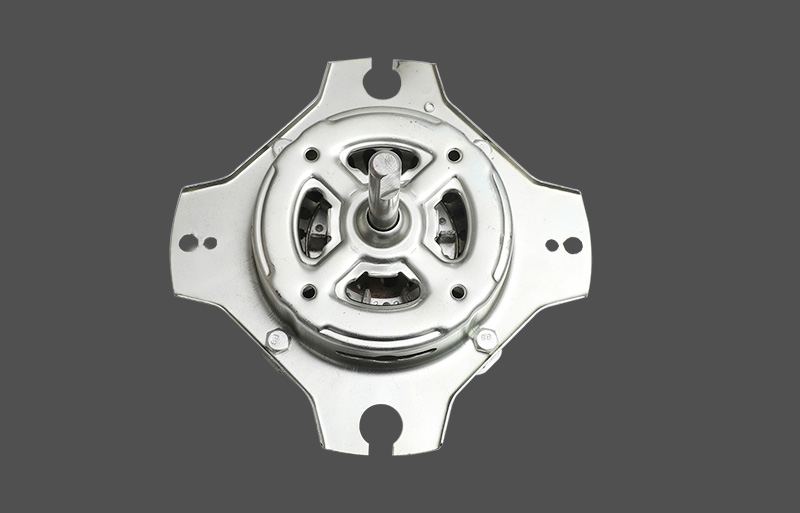
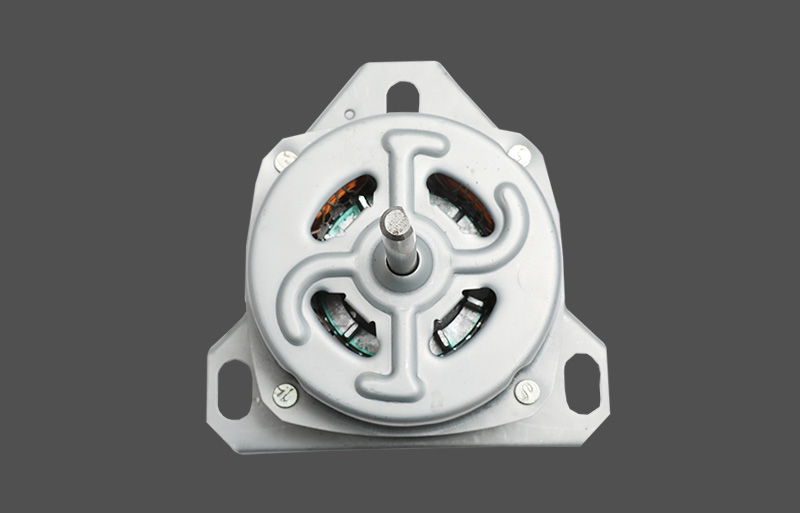
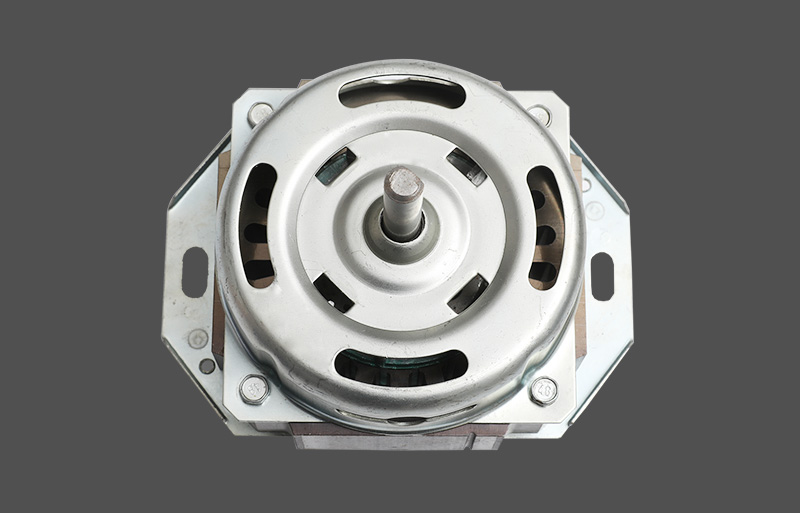
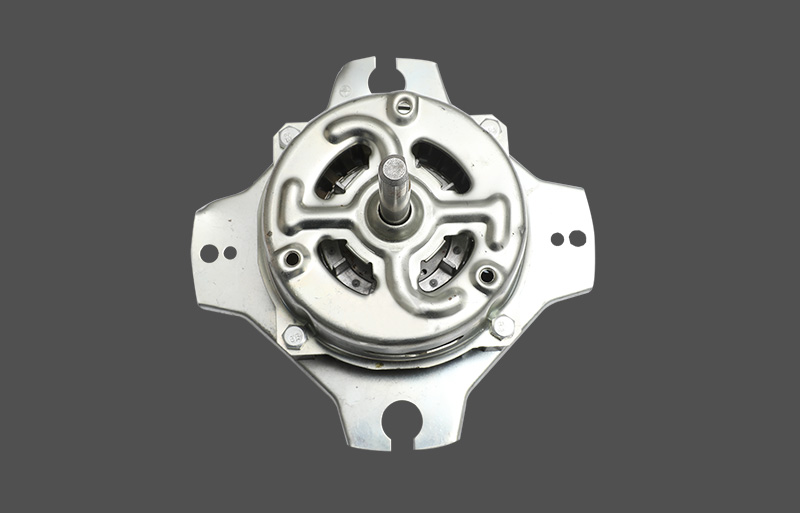
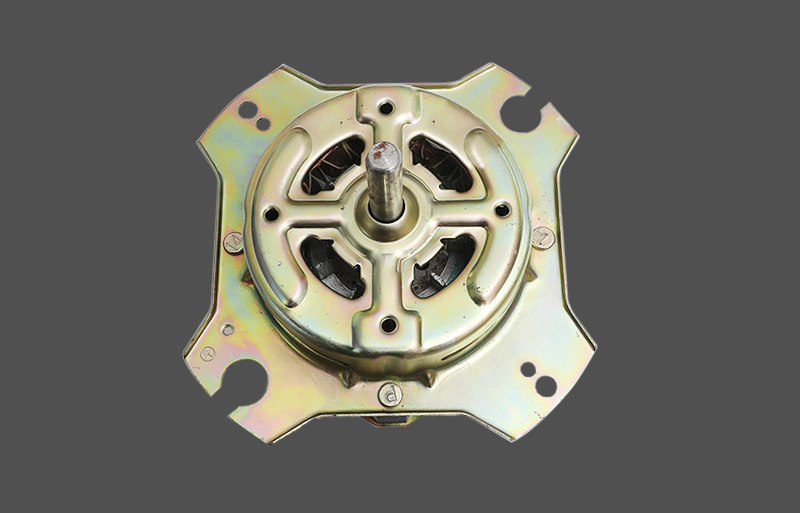
The washing machine wash motor is the core power source of the entire washing system. In traditional pulsator or drum-type automatic washing machines, this motor is primarily responsible for driving the reducer clutch or pulley to achieve the alternating clockwise and counter-clockwise rotation of the washing tub.
Common washing machine wash motor units typically use induction motor or permanent magnet synchronous motor technology. Their core performance parameters directly determine washing power and energy efficiency. Below is a comparison of key technical parameters for two common types of motors:
| Parameter |
AC Induction Motor |
BLDC/PMSM Motor |
| Starting Torque |
Medium |
Very High |
| Speed Regulation |
Fixed Frequency (Hard to adjust) |
Wide-band Infinitely Variable Speed |
| Noise Level |
Higher |
Low Noise |
| Energy Efficiency |
Average |
High Efficiency |
| Structural Complexity |
Simple, Durable |
Complex, Requires Control Board |
When maintaining washing machine motors, it is essential to focus on testing winding resistance. If a standard wash motor exhibits severe overheating or fails to start during operation, it is typically necessary to measure the starting capacitor capacity and use a multimeter to check the windings for inter-turn short circuits.
Troubleshooting the Automatic washing machine drain motor
Unlike wash motors, the automatic washing machine drain motor (drain pump motor) is a short-time operating component. Its main function is to pull the drain valve core to open the drainage channel.
Common failure symptoms for the automatic washing machine drain motor include:
The drain motor hums but cannot pull the valve core: This is usually caused by wear or jamming of the plastic gears inside the gearbox, requiring the replacement of the entire drive assembly.
Failure to automatically reset: If the traction rod does not return to its initial position after drainage is complete, it will result in an improperly sealed drain valve, leading to water leakage or water inlet alarms.
Coil open circuit: Testing its lead ends with a digital multimeter, if it presents an open circuit state, it indicates that the internal electromagnetic coil has burned out.
General Maintenance Principles for Washing Machine Core Components
Whether it is a washing motor or other drive units, the following professional maintenance guidelines should be followed during actual operations:
Electrical Safety: Before servicing any washing machine motors, the power supply must be disconnected. Because the motor contains inductive coils, the starting capacitor should be discharged during maintenance.
Physical Connection Inspection: The belt tension of the washing motor directly affects the washing effect. If the belt is too loose, it will cause motor slippage; if it is too tight, it will increase bearing wear. It should be maintained to allow for 10-15mm of deflection when pressed in the middle of the belt.
Environmental Sealing: The interior of a washing machine is humid, and the connectors for the automatic washing machine drain motor are prone to oxidation. After long-term operation, it is recommended to check the terminals for corrosion and use precision electronics cleaner when necessary.
By mastering the electrical characteristics of the washing machine wash motor and gaining a deep understanding of the mechanical structure of the automatic washing machine drain motor, maintenance personnel can significantly improve the efficiency of troubleshooting washing machine failures. When diagnosing, always confirm the damaged unit based on error codes to distinguish whether the abnormal drive current is caused by control circuit board failure or excessive load due to mechanical aging of the washing machine motors themselves. For motor-type components, regular cleaning of accumulated dust and ensuring good heat dissipation and ventilation are the fundamental guarantees for extending the equipment service life.