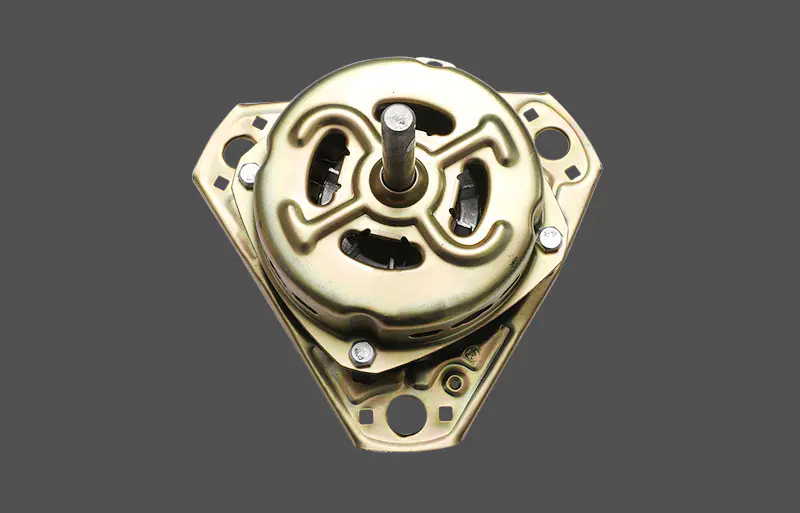
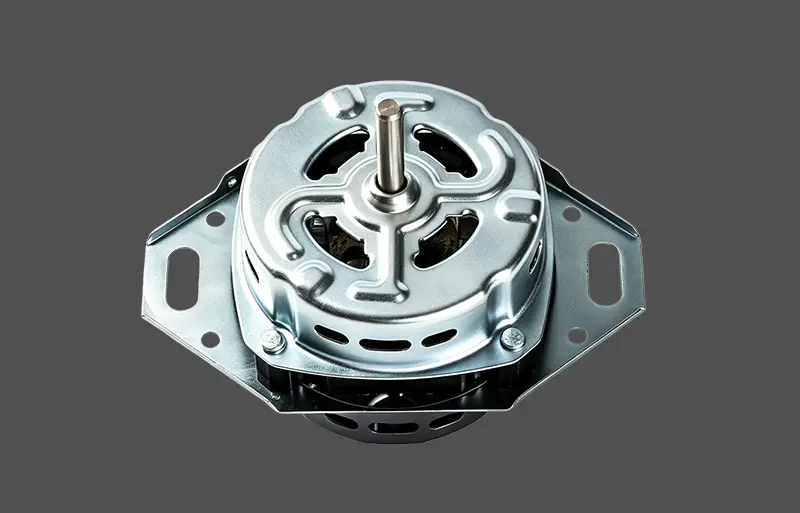
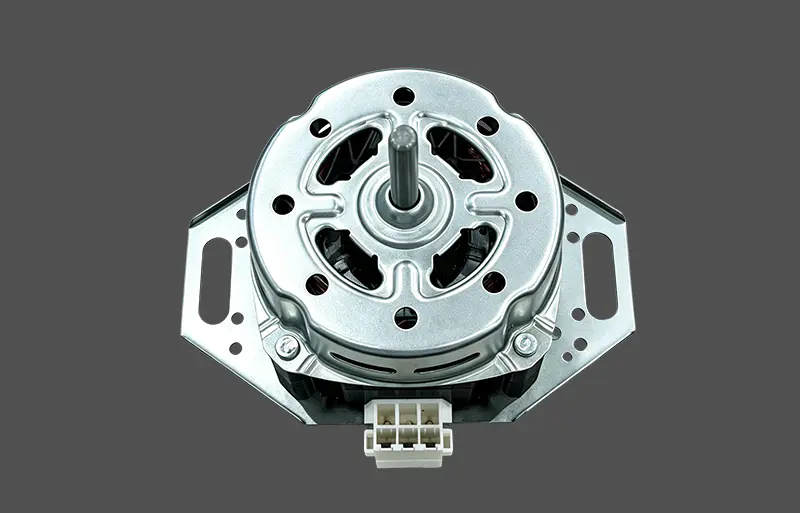
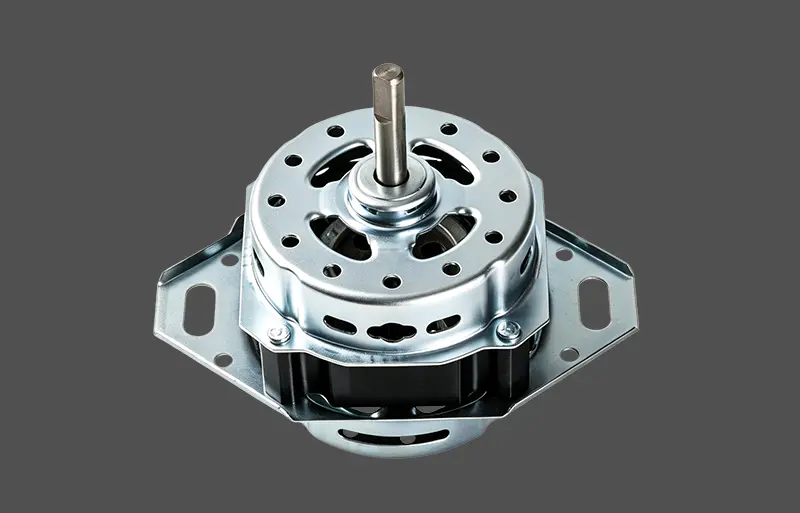
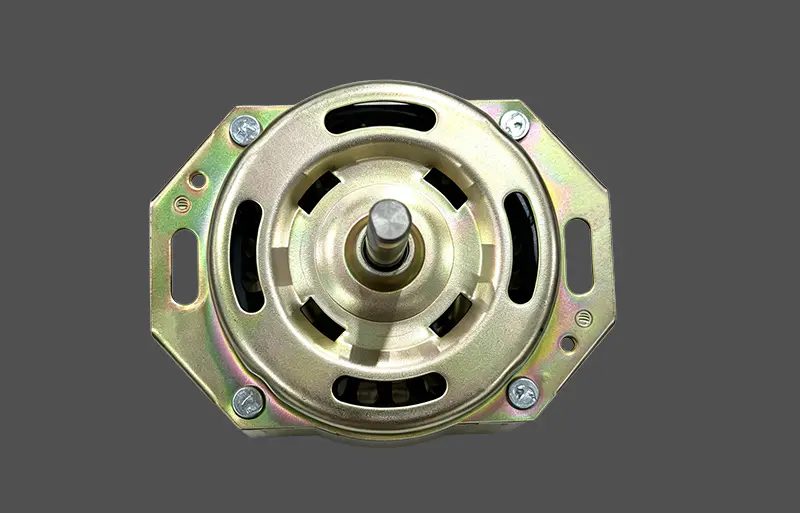
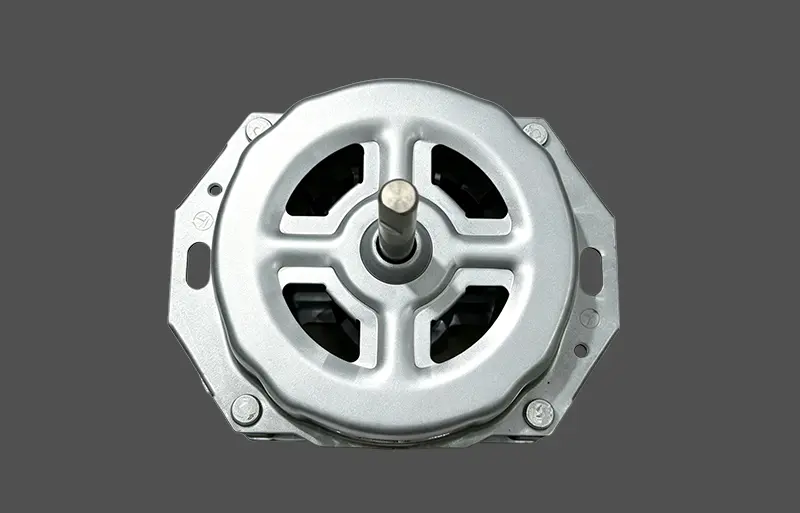
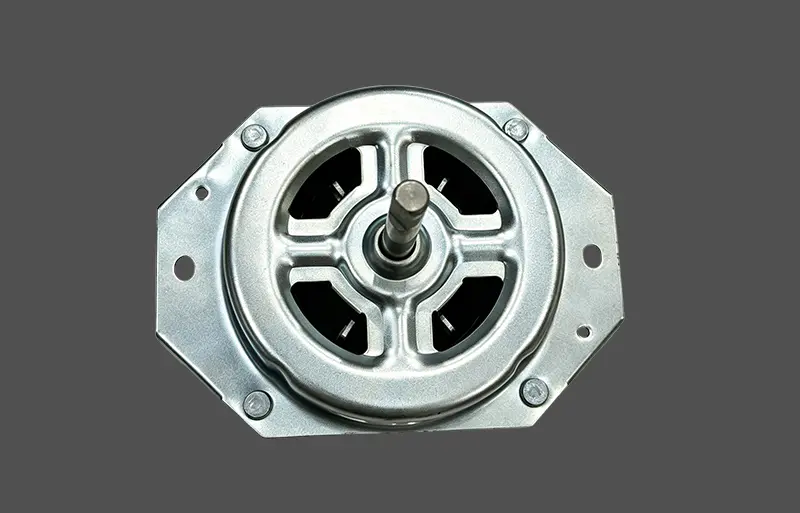
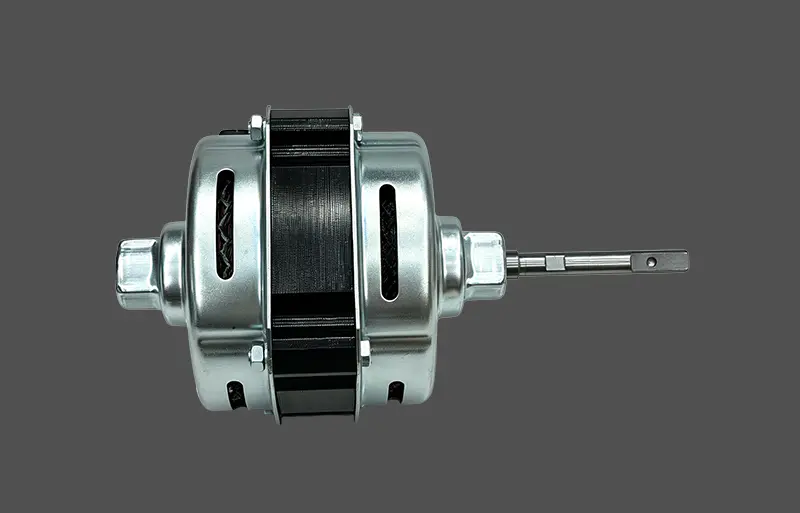
Ventilator motors play a crucial role in various industrial applications, and their stability and safety directly impact the overall efficiency and reliability of the ventilation system. To ensure the safety of motors during operation, thermal protection and overload protection designs are essential components of the motor protection system. This article will discuss common designs for thermal and overload protection in ventilator motors and highlight their importance in maintaining safe motor operation.
1. Thermal Protection Design
Thermal protection is a key measure to protect ventilator motors from overheating damage. Motors can generate excessive heat during prolonged operation due to overloading or inadequate heat dissipation, causing insulation material degradation or even motor burnout. The design of thermal protection systems mainly involves monitoring the motor's operating temperature to prevent such failures.
1.1 Temperature Sensor Protection
Temperature sensors are one of the most common methods of thermal protection. Typically, temperature sensors are installed inside the motor to monitor its temperature. When the motor temperature exceeds a preset safety threshold, the sensor sends an alert signal to the control system, triggering the protection mechanism. Common temperature sensors include thermistors (NTC) and thermocouples. These sensors provide real-time temperature monitoring and can automatically shut off the power when the temperature becomes dangerously high, preventing motor damage due to overheating.
1.2 Overheat Protection Relays
Overheat protection relays are often used in ventilator motors as part of thermal protection. When the motor temperature exceeds the set safety range, the relay disconnects the power supply, preventing motor damage due to overheating. The working principle of an overheat protection relay is to set a predefined temperature threshold. If the temperature exceeds this threshold, the relay immediately activates protection. Overheat protection relays are often used in conjunction with temperature sensors to ensure that the motor stops operating in the event of abnormal temperatures, thus preventing more severe damage.
1.3 Auto-Restart Feature
Some advanced motor systems are equipped with an auto-restart feature. After the motor is stopped due to overheating, the system sets a cooling time and automatically restarts the motor once it has cooled down. This design reduces downtime and increases the system's continuous operation efficiency. However, auto-restart functions typically require integration with other protection designs (such as temperature sensors and overheat relays) to ensure that the motor does not overheat again in a short time, which could lead to damage.
1.4 Air Cooling and Water Cooling Systems
Air cooling and water cooling systems are other effective designs for thermal protection. Air cooling systems typically use external fans to provide airflow to help dissipate heat from the motor, making them suitable for smaller ventilator motors. For larger motor systems, especially those operating under heavy loads or in high-temperature environments, water cooling systems are more effective. Water cooling systems circulate water to absorb heat from the motor, effectively preventing overheating and maintaining the motor within safe operating temperatures.
2. Overload Protection Design
Overload protection is designed to prevent motors from running under excessive load, which can cause motor damage. Overloading is one of the common causes of motor failure, especially in situations where the load fluctuates or the system design is inadequate. The purpose of overload protection is to ensure that the motor is protected when it is subjected to excessive loads.
2.1 Overload Protection Relays
Overload protection relays are common overload protection devices used in ventilator motors. These relays monitor the current flowing through the motor and disconnect the power when the current exceeds the motor's rated value, preventing the motor from being damaged. Overload protection relays are highly sensitive and respond quickly to overload situations, effectively avoiding severe motor failures caused by overloading.
2.2 Thermal Relays
Thermal relays are another type of protection device commonly used for overload protection in motors. These relays operate based on the principle of thermal effects. When the motor is overloaded, the increased current generates additional heat, causing a bimetallic strip inside the relay to bend, which triggers a disconnecting action. Thermal relays play a crucial role in overload protection, preventing the motor from running under excessive load for extended periods and thereby avoiding damage.
2.3 Overload Protection Modules
Modern ventilator motors are often equipped with electronic overload protection modules. These protection modules use intelligent algorithms to continuously monitor the motor's operating condition and assess whether the motor is overloaded. When the motor is subjected to excessive load, the protection module can quickly respond by adjusting the current or cutting off the power, ensuring that the motor is protected from damage. This intelligent overload protection improves accuracy and stability, allowing for safer motor operation.
2.4 Current and Voltage Protection
Current and voltage protection are also common designs for overload protection. Current protection involves monitoring changes in the current flowing through the motor to detect overload situations, while voltage protection helps prevent the motor from being affected by voltage fluctuations. Both excessive current and unstable voltage can lead to motor overload or damage. Therefore, current and voltage protection ensure that the motor operates within a stable electrical environment, reducing the likelihood of overload failures.
3. The Synergy of Thermal and Overload Protection
Thermal protection and overload protection typically work in synergy to safeguard ventilator motors. Thermal protection primarily focuses on preventing the motor from overheating, while overload protection addresses the issue of excessive load. When the motor is overloaded, the protection system not only cuts off the power through the overload protection relay but also triggers thermal protection if the temperature becomes too high. This coordinated protection ensures that the motor operates safely in various conditions, minimizing the risk of failure and maximizing system efficiency and safety.
The collaboration of thermal and overload protection designs enables ventilator motors to run reliably and safely, reducing downtime caused by failures and enhancing the overall safety of the ventilation system.