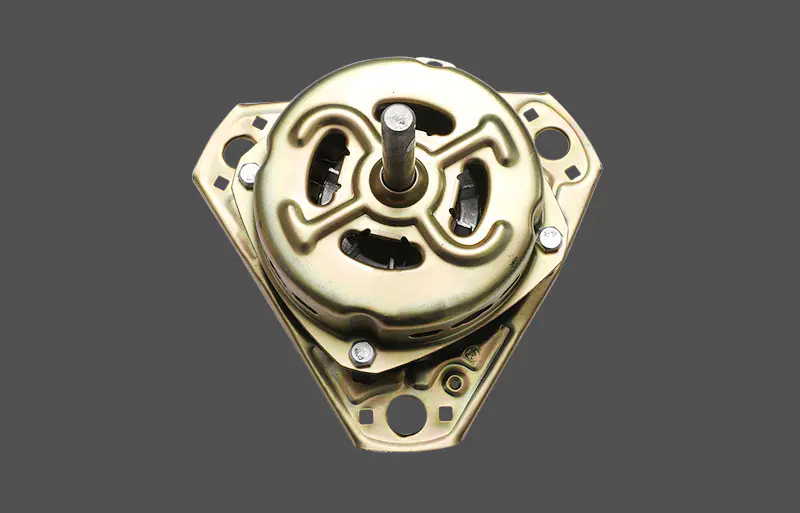
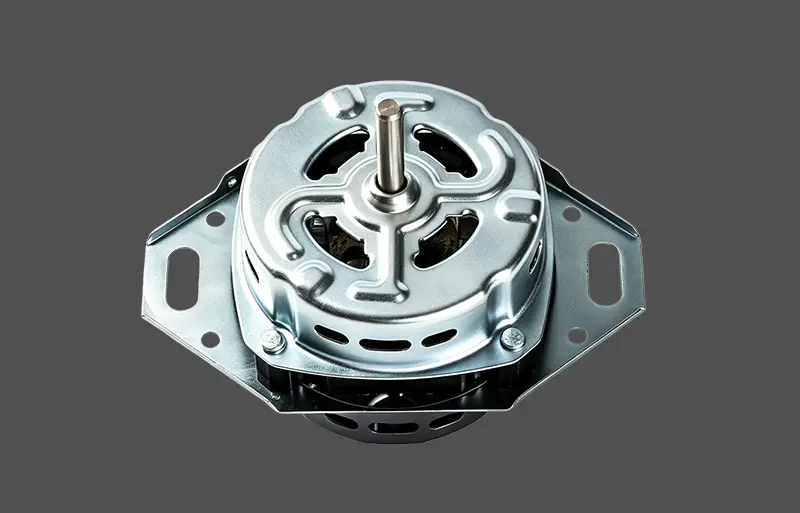
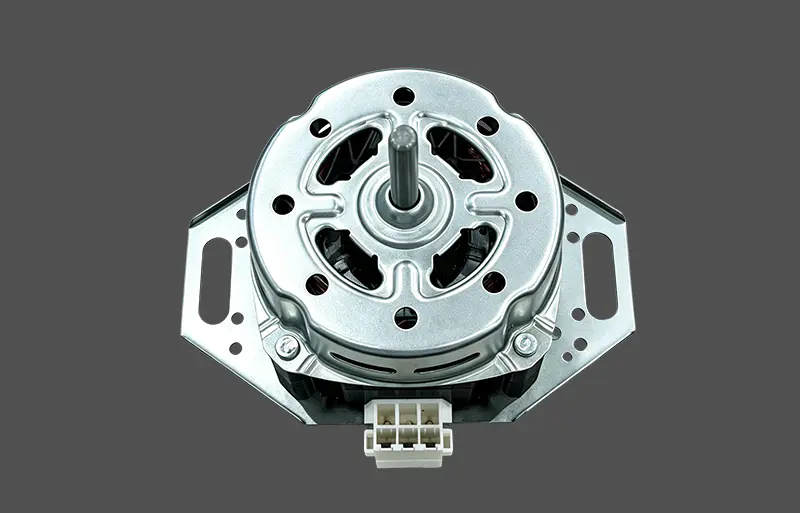
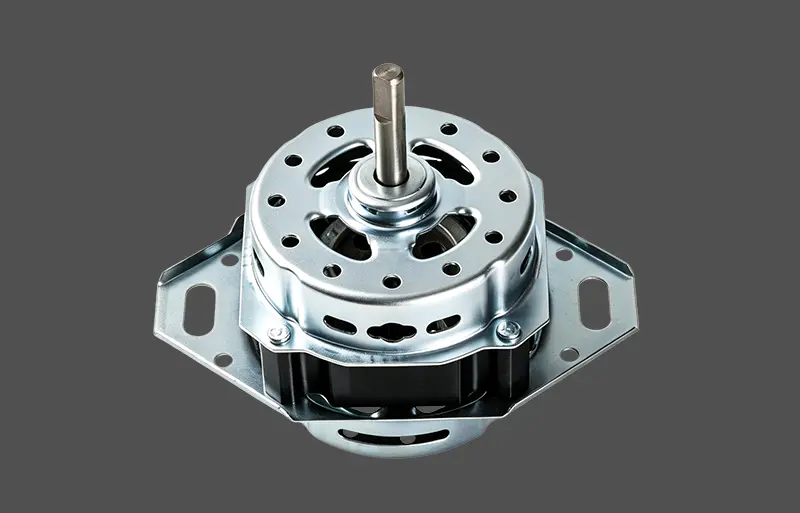
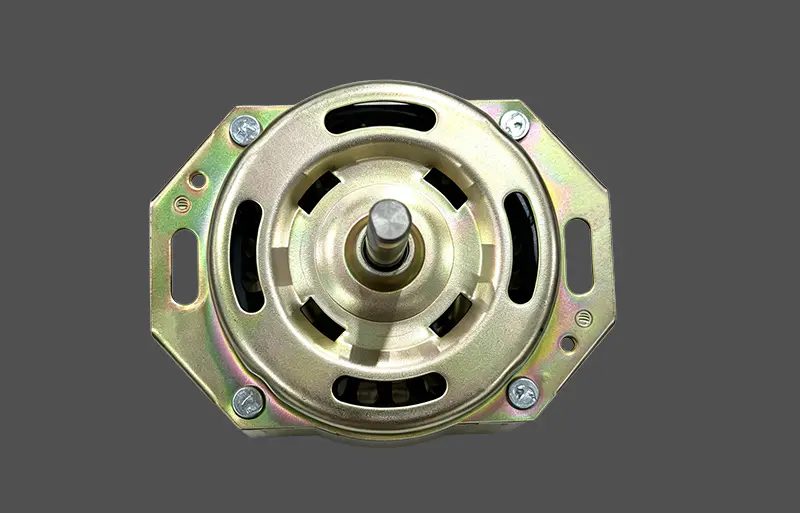
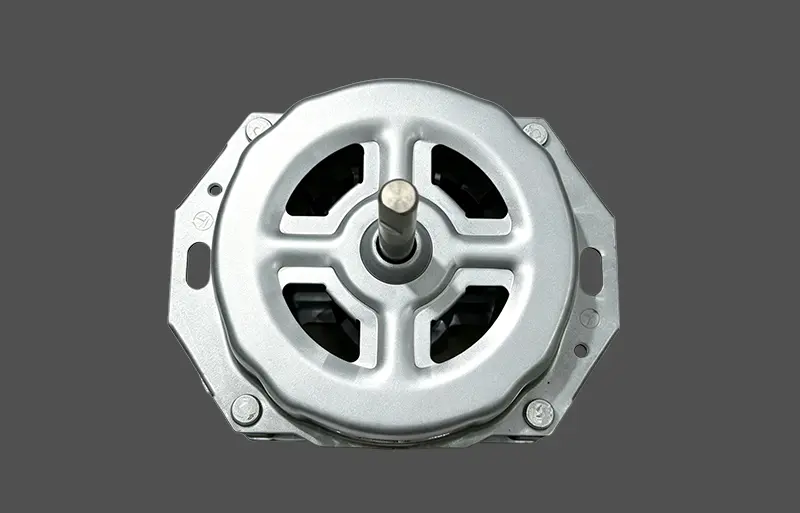
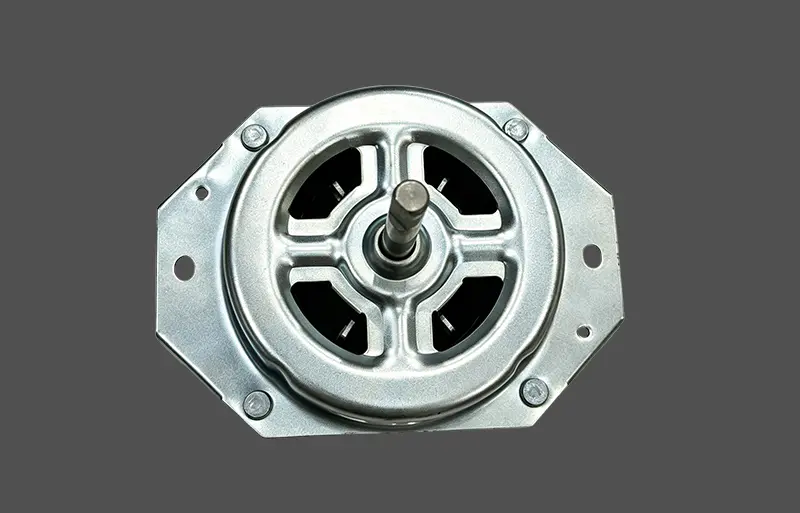
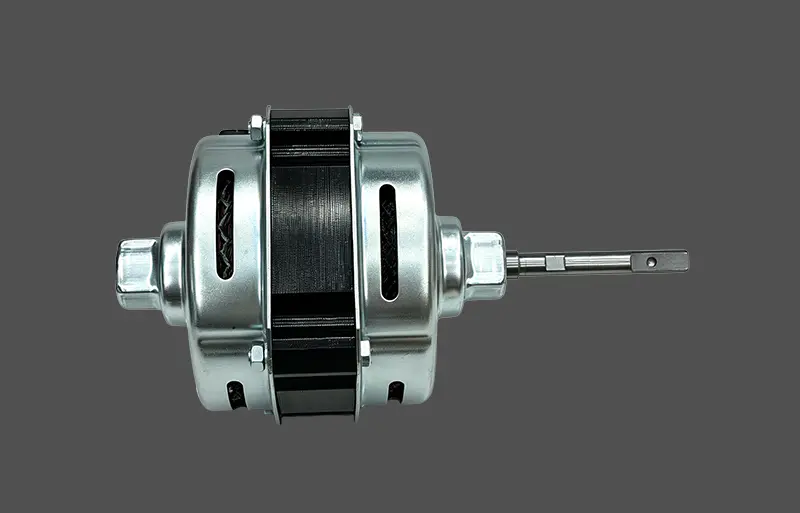
Spin motors, as a highly efficient and compact type of electric motor, have gained widespread application in industries such as electric vehicles, robotics, and aerospace. While spin motors offer significant advantages in terms of power density, efficiency, and compact size, noise control remains one of the key technical challenges. Noise can affect system comfort, reliability, and potentially interfere with the performance of other nearby equipment. This article will delve into the major challenges spin motors face in noise control design and explore potential solutions.
Sources of Noise in Spin Motors
The noise produced by spin motors can be categorized into several primary types: electromagnetic noise, mechanical noise, and aerodynamic noise. These noise sources are often more pronounced during high-speed operation or under varying load conditions, particularly in high-power density applications.
-
Electromagnetic Noise: Electromagnetic noise arises from the electromagnetic forces acting on the stator and rotor of the motor. As current flows through the windings, it generates a varying magnetic field. This magnetic field interacts with the metal components of the motor, causing mechanical vibrations that are subsequently converted into noise.
-
Mechanical Noise: Mechanical noise primarily results from friction and interactions between the moving parts of the motor. For instance, variations in the air gap between the rotor and stator, rotor imbalances, and wear on the bearings can all lead to mechanical noise generation.
-
Aerodynamic Noise: Aerodynamic noise is caused by the disturbances in airflow as the motor operates at high speeds. As the rotor spins, the interaction between the rotor blades and the surrounding air creates turbulence, leading to the generation of noise.
Challenges in Electromagnetic Noise Control
Among the different types of noise, electromagnetic noise is one of the most common and challenging sources. Not only does electromagnetic noise affect the normal operation of the motor, but it can also cause electromagnetic interference (EMI) that disrupts the functioning of nearby electronic equipment. Traditional motor designs often rely on larger sizes and lower operating frequencies to mitigate electromagnetic noise, but this approach is not suitable for spin motors, which emphasize high power density and compact form factors.
The primary challenge in reducing electromagnetic noise lies in optimizing the motor's magnetic field design. Engineers must focus on improving the geometry of the stator and rotor, optimizing the winding layout, and minimizing magnetic field fluctuations. Additionally, selecting high-quality electromagnetic materials to reduce losses can significantly reduce electromagnetic noise generation.
Challenges in Mechanical Noise Control
Mechanical noise is another significant challenge in spin motor design. The high rotational speeds and compact structure of spin motors often result in greater mechanical vibrations compared to traditional motors. These vibrations can compromise both the stability of the motor and increase noise levels.
Rotor imbalance is one of the main causes of mechanical noise. Asymmetrical rotor designs or uneven mass distribution lead to centrifugal forces at high speeds, causing vibrations and noise. Additionally, friction between internal components such as bearings or gears can further contribute to mechanical noise.
To reduce mechanical noise, it is critical to ensure that the rotor is well-balanced. Engineers must carefully control the mass distribution and shape of the rotor to prevent imbalances. Employing high-precision manufacturing techniques and selecting low-friction materials for bearings can also help minimize mechanical noise. Furthermore, integrating efficient vibration-damping systems, such as elastic supports or vibration isolation materials, can significantly reduce noise levels.
Challenges in Aerodynamic Noise Control
As spin motors are often designed for high-speed operation, aerodynamic noise has become a growing concern. High-speed rotation generates turbulent airflow between the rotor and the surrounding air, which results in vortex formations and the production of aerodynamic noise. In applications such as electric vehicles or high-speed power tools, where high rotational speeds are required, aerodynamic noise can become a major source of discomfort and performance degradation.
Aerodynamic noise tends to increase with higher rotational speeds, making it particularly problematic for applications like electric vehicles, where fast acceleration is crucial, and industrial machinery requiring high-speed precision. The challenge is to design the motor in such a way that the interaction between the rotor blades and the air is minimized.
To mitigate aerodynamic noise, engineers can optimize the rotor blade shapes to reduce air resistance and turbulence. Additionally, increasing the size and number of ventilation holes, and improving airflow channels, can help minimize the generation of vortex-induced noise. Streamlining the rotor design to reduce drag and turbulence can also contribute to lowering aerodynamic noise levels.
Thermal Management and Its Impact on Noise Control
In high power density spin motors, thermal management plays an indirect yet critical role in controlling noise. High operating temperatures can accelerate material aging and component wear, leading to increased mechanical friction and noise generation. Elevated temperatures can also alter the properties of electromagnetic materials, potentially exacerbating noise problems. Therefore, effective thermal management is essential not only for improving motor longevity and stability but also for reducing noise induced by temperature fluctuations.
By using liquid cooling or advanced air-cooling systems, engineers can maintain the motor’s operating temperature within an optimal range. This not only ensures the motor operates efficiently but also helps in reducing temperature-related noise issues. The choice of materials with low thermal expansion coefficients and improved heat dissipation can also contribute to quieter motor operation.
Noise Testing and Optimization
Noise testing and optimization are crucial steps in the design process of spin motors. By simulating the motor's operation under different conditions, engineers can identify and quantify the sources of noise, allowing them to implement targeted noise-reduction strategies. For instance, using acoustic testing equipment to analyze the noise spectrum of the motor enables engineers to pinpoint the dominant frequencies and sources of electromagnetic, mechanical, and aerodynamic noise.
Once the noise sources have been identified, engineers can take specific measures to reduce noise. This could include redesigning the stator and rotor to minimize vibrations, using advanced noise-damping materials, or adjusting the cooling system to reduce thermal noise. By continuously testing and refining the motor's design, engineers can achieve a balance between performance and noise reduction.