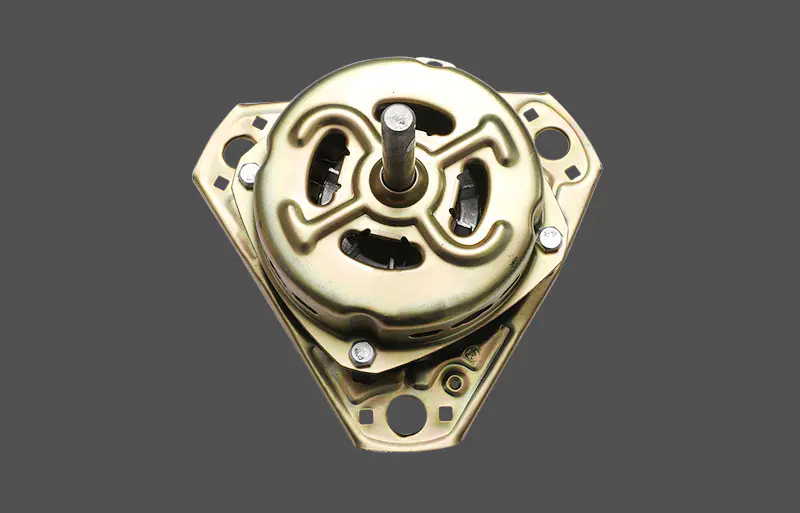
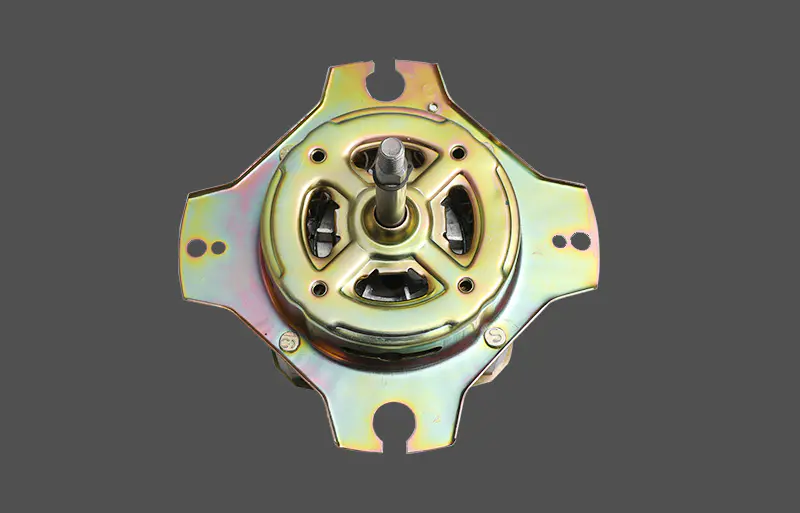
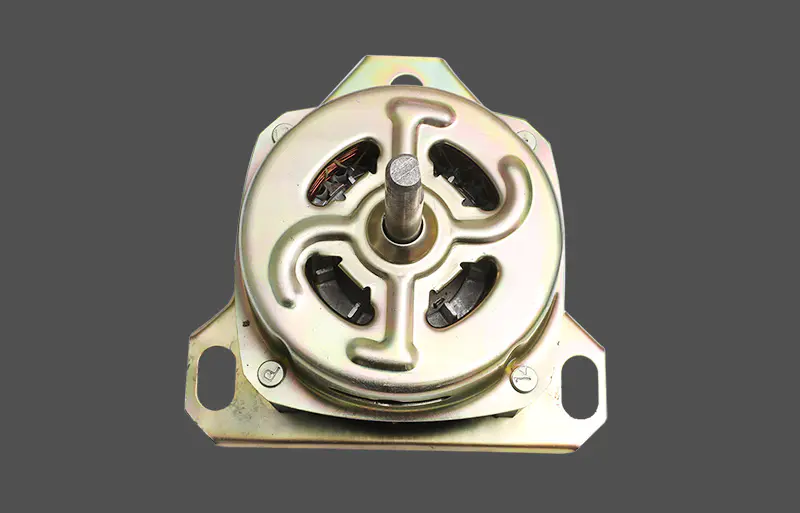
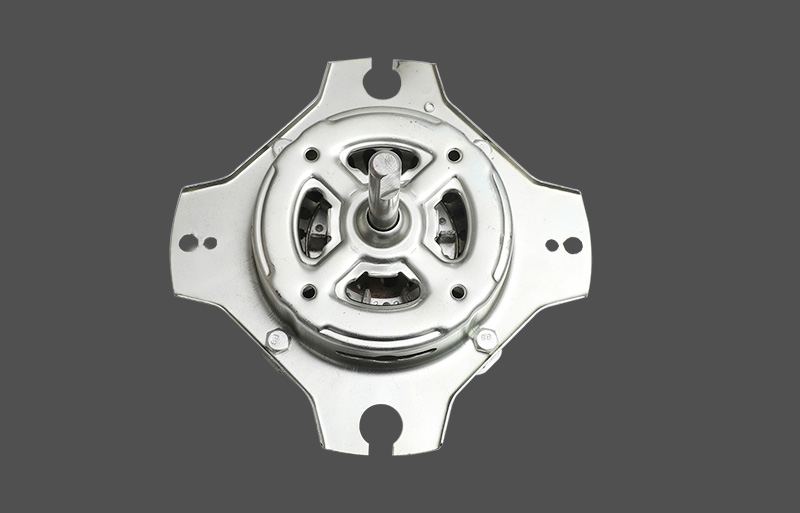
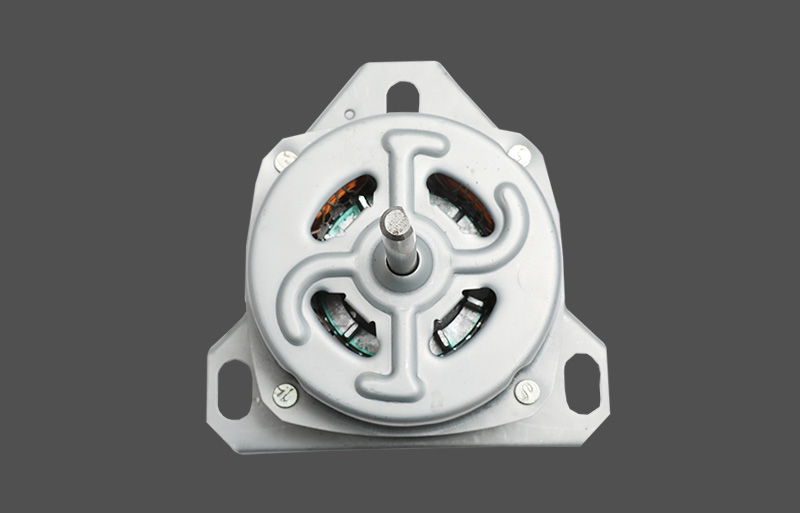
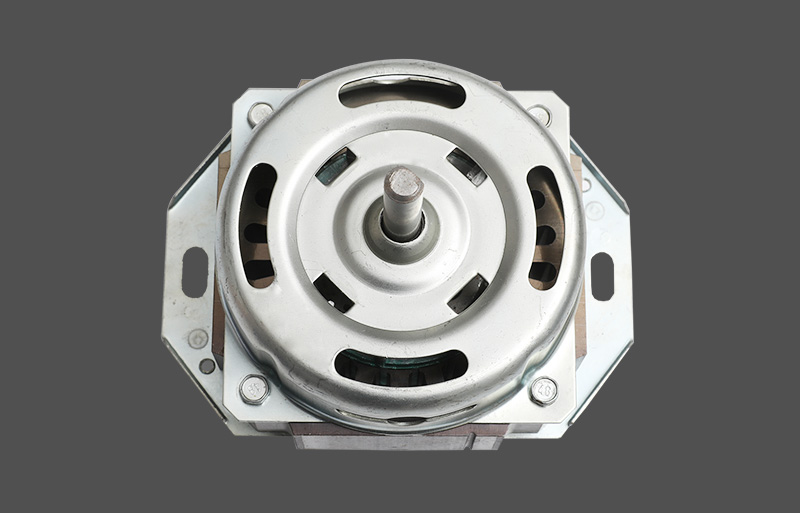
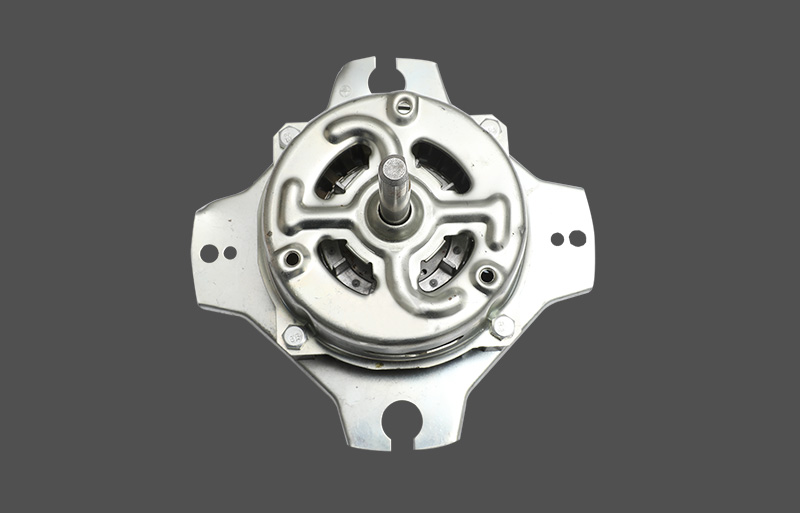
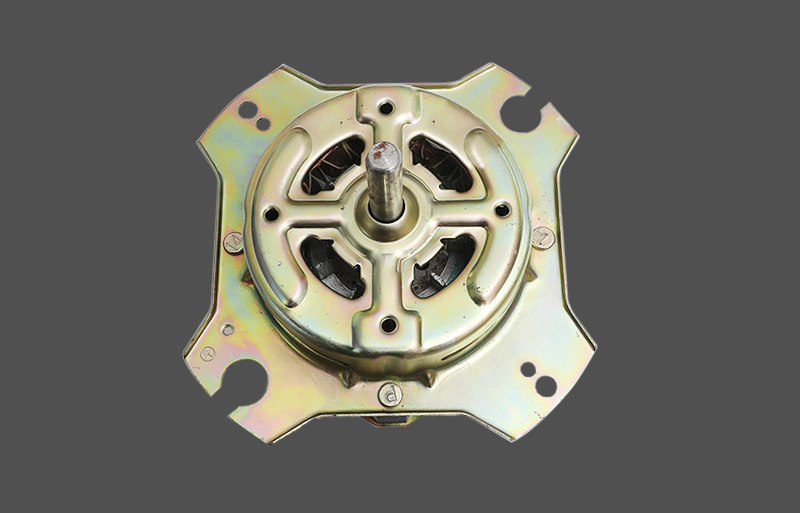
The washing machine motor is a core component responsible for driving the drum for washing tasks. Over time, the motor may encounter various failures, affecting the washing machine's normal operation. Understanding the common causes of motor failure helps users prevent or identify issues early, reducing unnecessary repair costs and extending the appliance's lifespan.
1. Overheating
Washing machine motors are prone to overheating during prolonged high-load operation, especially during washing or spinning. If the washing machine runs for extended periods without adequate cooling, the motor’s windings may be damaged due to excessive temperature. Overheating is typically caused by an overload on the motor or poor cooling systems. Not only can overheating cause the motor to stop, but it can also damage the motor’s insulation materials, ultimately leading to failure.
2. Overloading the Motor
Motor overload is another common cause of washing machine motor failure. The motor of a washing machine is designed with a specific load capacity. When the washing machine is overloaded with clothes, the motor has to bear an excessive load, leading to an increased risk of motor failure. In severe cases, electrical components within the motor may short-circuit and cause the motor to burn out. Additionally, unevenly distributed clothes during the washing cycle can cause an imbalanced load, accelerating wear and tear on the motor.
3. Circuit Faults
The motor of the washing machine is typically controlled by an electronic control system. If there are faults in the control circuit, the motor may fail to start or stop properly. Common circuit faults include short circuits, component aging, or damage to the control board. A malfunctioning control board sends incorrect signals to the motor, affecting its speed and performance. Loose electrical connections or damaged cables can also prevent the motor from running.
4. Bearing Damage
The bearings in the motor are crucial components that support the motor’s rotation. Over time, bearings can wear out due to friction or insufficient lubrication, which affects the motor’s operation. When bearings are damaged, the motor may operate erratically, leading to excessive vibrations or even a failure to start. A damaged bearing often produces abnormal noise, and if severe enough, it may render the motor unusable. Replacing the bearings can help prevent motor failure.
5. Motor and Control System Connection Issues
Modern washing machines are equipped with advanced electronic control systems that regulate the motor’s operation. If there are connection issues between the motor and the control system, such as loose wiring or failed signal transmission, the motor may not work as expected. The control system may fail to receive feedback signals from the motor, preventing it from starting, stopping, or adjusting speed. This typically happens when there are connection problems or aging cables.
6. Overuse and Lack of Maintenance
Prolonged overuse of the washing machine, especially without regular maintenance, can accelerate motor wear and tear. Improper use, excessive laundry loads, incorrect washing modes, or high humidity levels can all contribute to early motor failure. Dust and dirt accumulation inside the motor can also hinder cooling, speeding up the degradation of the motor. Regular cleaning and maintenance are essential for extending the motor’s lifespan.
7. Power Supply Issues
Power supply issues can also cause washing machine motor failure. Unstable voltage or fluctuating currents can affect the motor's performance. Low voltage can prevent the motor from starting or reaching the required speed, while high voltage can cause overheating or even burn out the motor. To ensure stable motor operation, users should ensure a stable power supply and avoid frequent voltage fluctuations.
8. Internal Component Damage
Internal components of the motor, such as windings and magnets, may also deteriorate or get damaged over time. When internal components fail, the motor’s efficiency declines significantly, or it may fail entirely. Short circuits or damage to the windings are the primary reasons a motor fails to start. Additionally, damaged magnets can prevent the motor from generating enough torque, ultimately causing the washing machine to stop working.