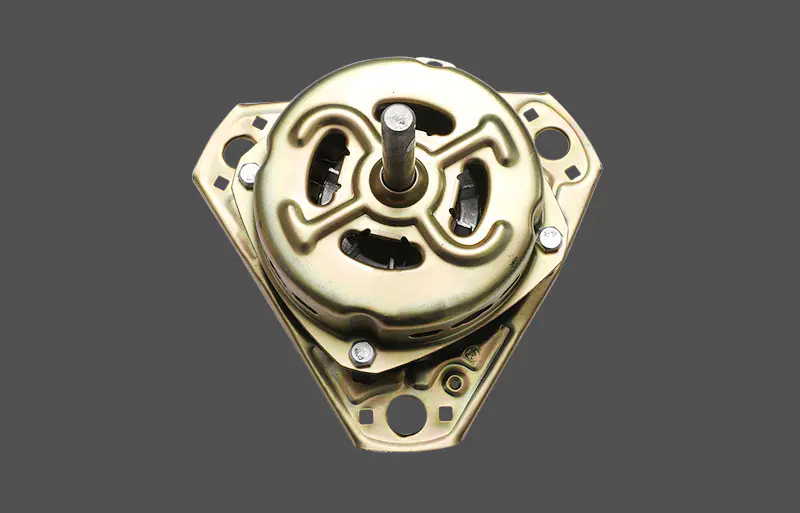
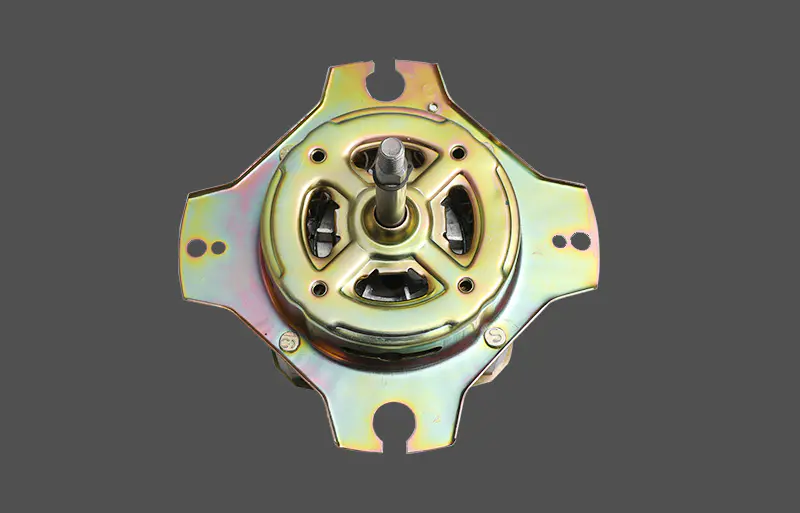
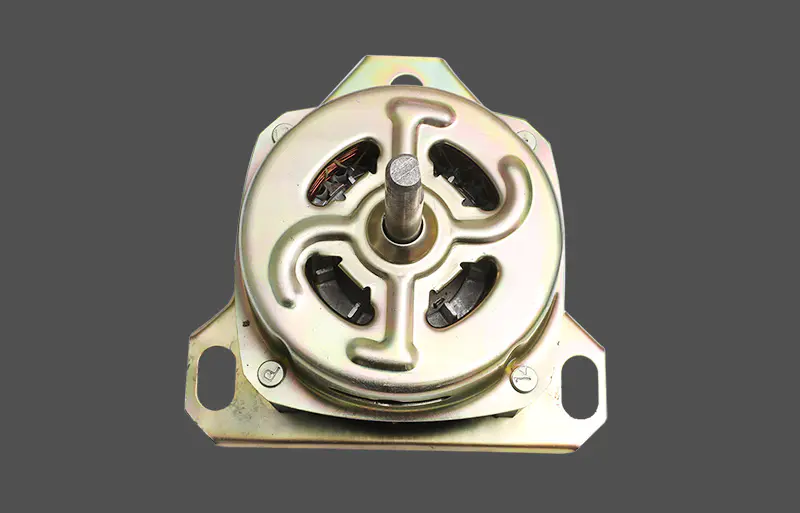
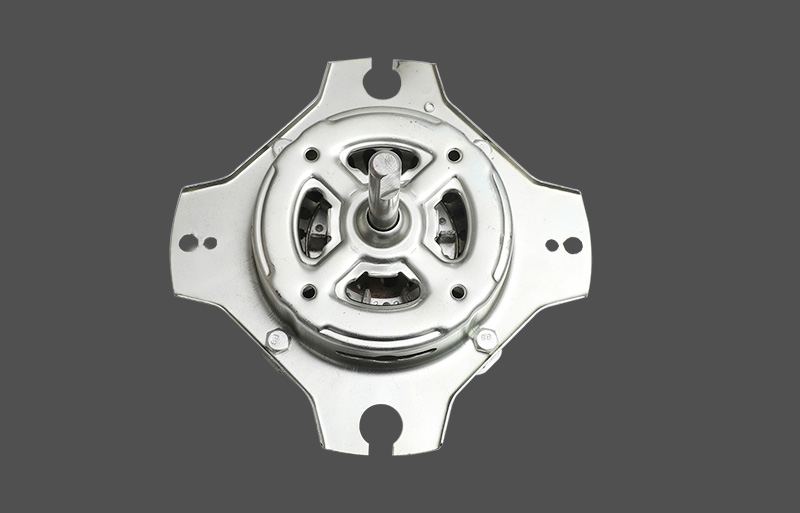
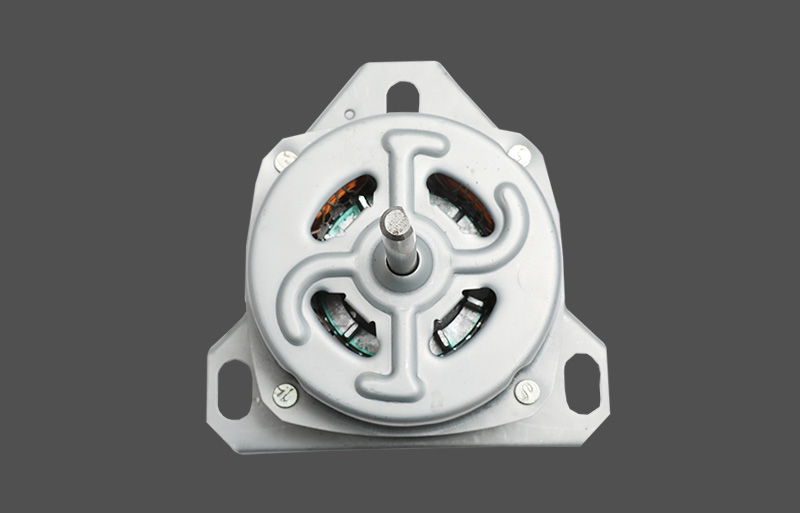
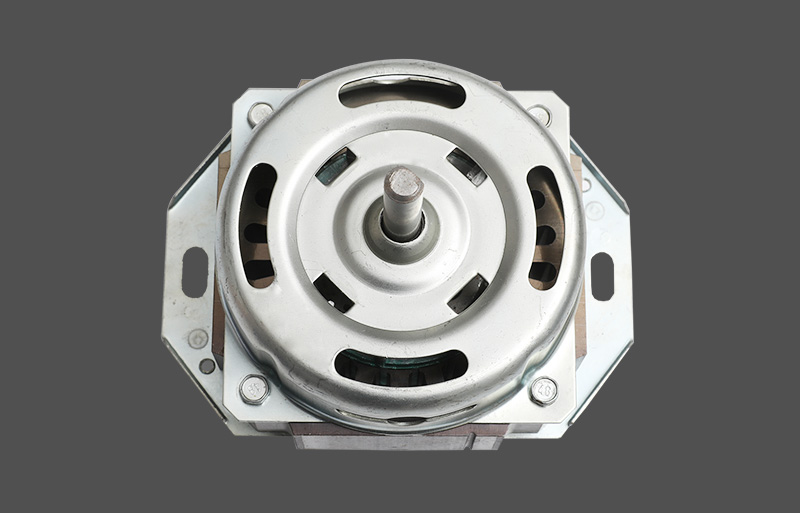
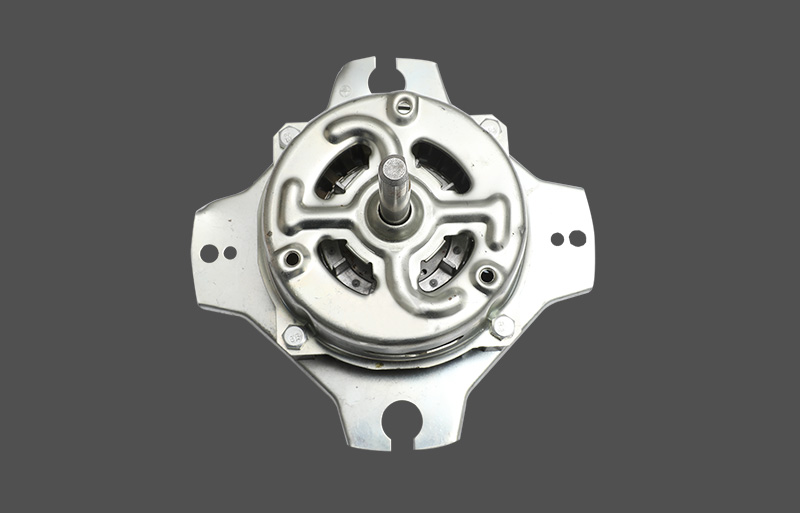
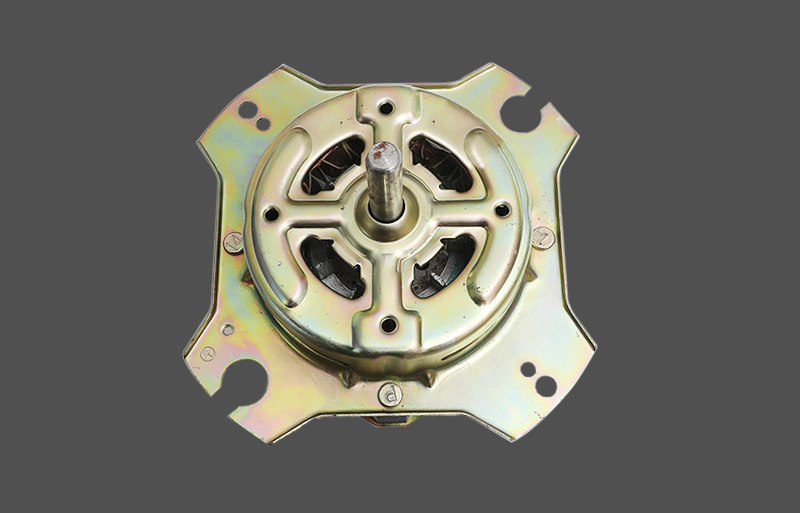
The standing fan motor is the core component of both household and commercial fans, directly affecting performance, durability, and user experience. Prolonged use or improper operation can lead to motor faults. Understanding common fault modes is essential for maintenance, troubleshooting, and selecting high-quality fans. This article provides a detailed professional analysis of the main fault types of standing fan motors, serving as an authoritative reference for users and industry professionals.
Winding Faults
Winding faults are among the most common issues in standing fan motors. The motor winding consists of conductive wire and insulating material. Long-term operation can cause insulation aging due to overheating, humidity, or dust accumulation. Short-circuited windings result in excessive current, rapidly increasing the motor temperature. Open-circuited windings can prevent the motor from starting or cause abnormal operation. High-temperature environments and frequent start-stop cycles increase the risk of winding faults. Professionals typically use insulation resistance testers to detect winding insulation performance and identify potential issues early.
Bearing Wear
Bearings in standing fan motors support rotor rotation and are prone to wear over time. Inadequate lubrication, friction, or foreign particles can lead to bearing failure. Worn bearings produce noticeable noise and vibration, affecting fan stability. Severe wear can cause the motor to seize or reduce rotational speed, increasing the motor load and shortening lifespan. Regular inspection of bearings and proper lubrication are crucial for extending motor service life.
Capacitor Failure
Many household standing fans use single-phase motors with starting capacitors. A damaged capacitor can make the motor difficult to start, unstable in speed, or fail to start altogether. Common causes include prolonged exposure to high temperatures, overvoltage, or frequent starting. Insufficient capacitance or leakage can also affect fan performance. Professional repair often involves measuring the capacitor value or replacing it with a correctly rated component to restore proper starting function.
Motor Overheating
Overheating is a common issue in standing fan motors. Causes include winding short circuits, abnormal voltage, overload operation, or poor heat dissipation. Excessive temperature accelerates insulation aging and bearing wear, potentially leading to motor burnout. Overheating is usually accompanied by mild smoke, increased noise, or elevated surface temperature. Modern fans often include thermal protection switches that automatically cut power when the temperature exceeds a set threshold, reducing motor damage risk.
Speed Abnormalities
Abnormal motor speed appears as inconsistent rotation, inability to reach set fan speeds, or increased vibration. Causes include unstable power supply, failed starting capacitor, partial winding short circuit, or increased bearing resistance. Speed issues not only affect airflow but can accelerate wear on other components, reducing overall lifespan.
Increased Noise
Increased noise is a common indicator of mechanical or electromagnetic faults. Mechanical causes include bearing wear, rotor-stator friction, or unbalanced fan blades. Electromagnetic causes include loose windings or coil vibrations. Excessive noise impacts user experience and can further damage the motor. Disassembly inspection and vibration analysis are effective methods to locate noise sources and implement corrective measures.
Motor Failure to Start
Motor failure to start is the most direct fault symptom. Causes include failed starting capacitors, open-circuited windings, seized bearings, or abnormal power supply. This fault is often accompanied by slight motor heating without rotation. Professional troubleshooting involves power testing, winding resistance measurement, and bearing inspection. Solutions may include replacing capacitors, repairing windings, or changing bearings.