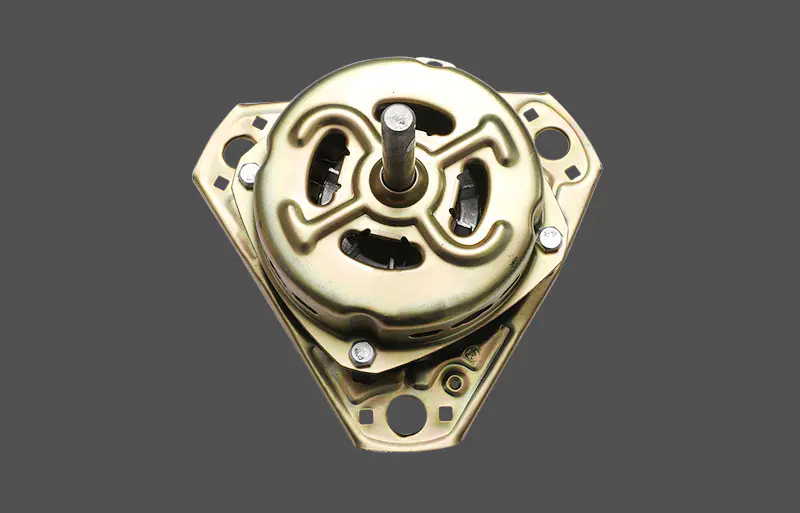
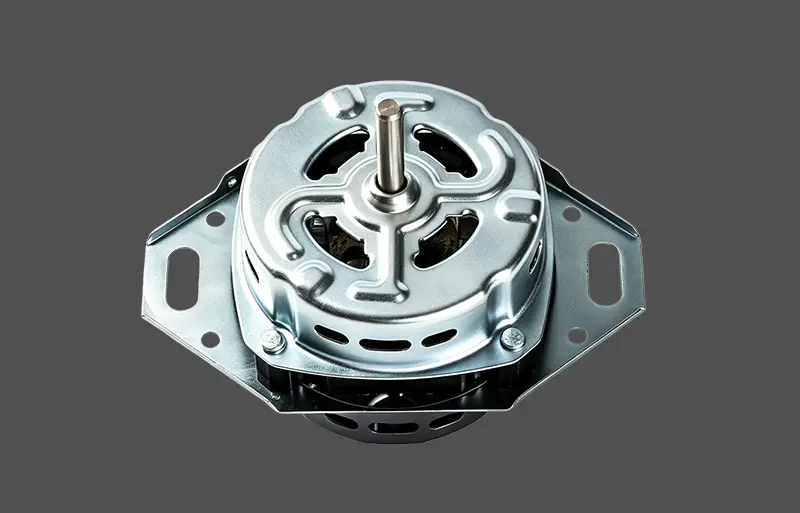
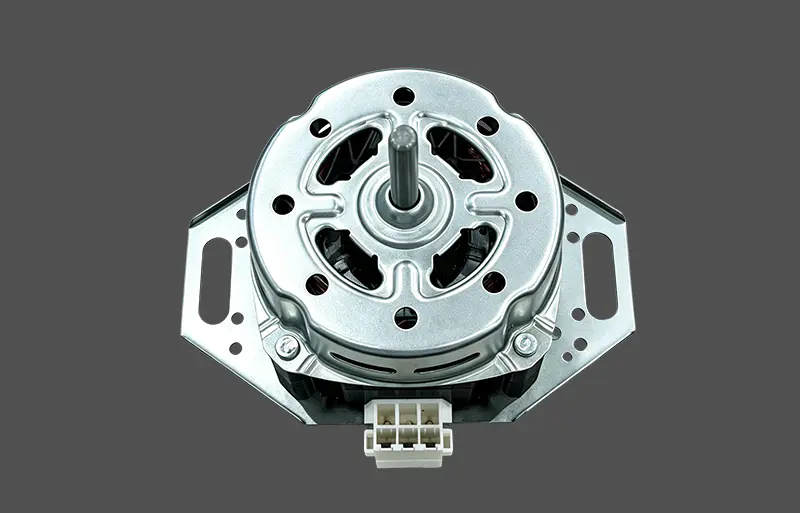
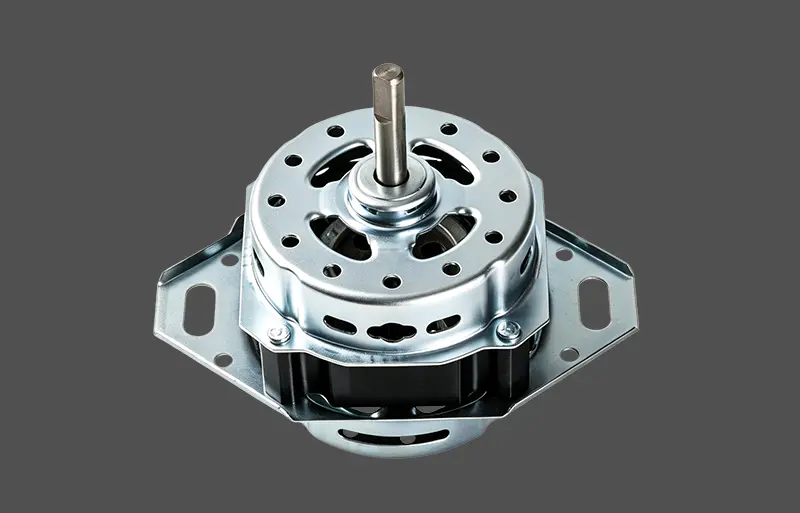
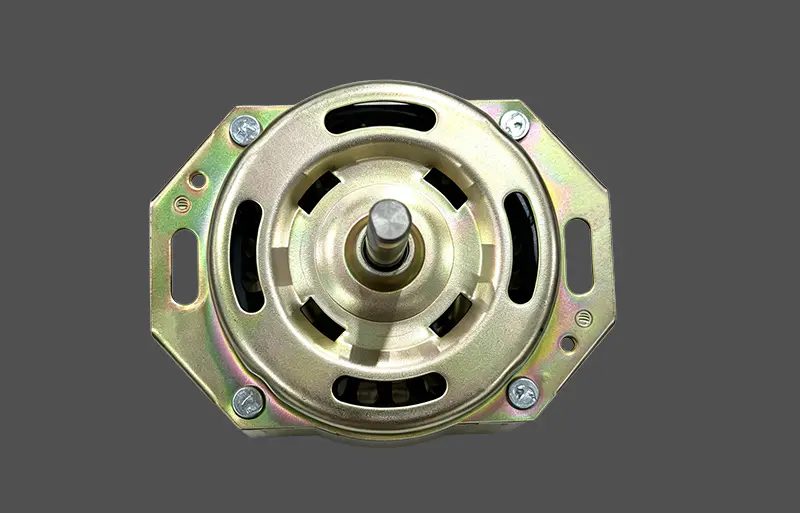
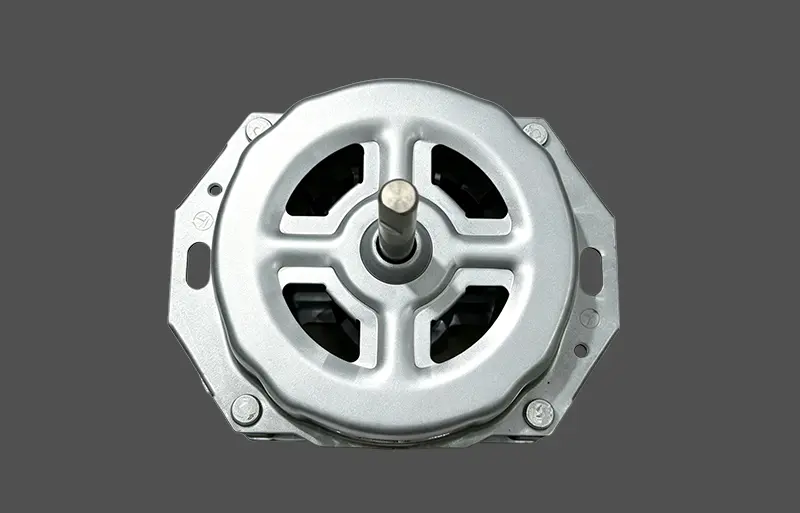
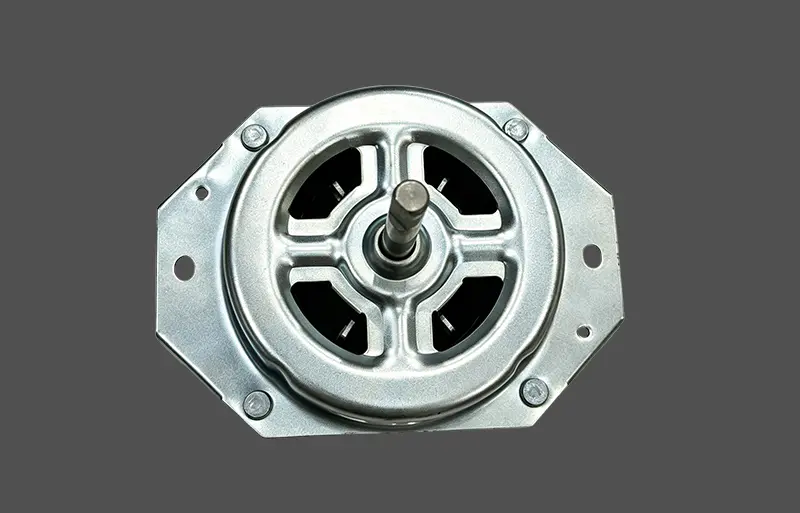
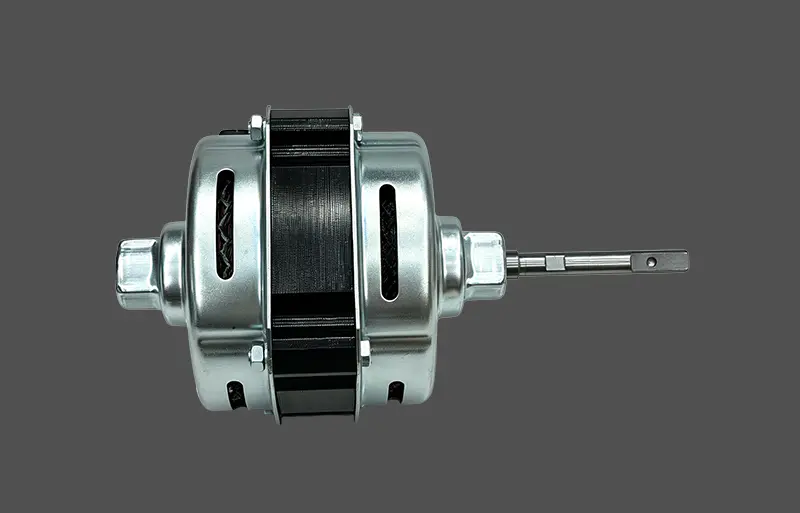
AC motors are widely used in modern industrial equipment and household appliances. Among them, single-phase and three-phase AC motors are the most common types. They differ significantly in structure, working principle, and starting methods, especially in terms of startup principles. Understanding these differences is essential for motor selection, maintenance, and application.
Single-Phase AC Motor Starting Principle
Single-phase AC motors are powered by single-phase AC. A single-phase power supply produces alternating current in only one direction, creating a pulsating magnetic field rather than a rotating one. At standstill, this pulsating field cannot generate starting torque.
To overcome this limitation, single-phase motors require auxiliary measures to generate a rotating magnetic field or create a phase difference. Common starting methods include:
- Split-Phase Start: Uses a main winding and an auxiliary winding with series resistance or reactor. The auxiliary winding current lags behind the main winding current, generating a phase difference and producing initial rotating magnetic field. The auxiliary winding disconnects once the motor reaches a certain speed.
- Capacitor Start: A capacitor in series with the auxiliary winding increases the phase lag, providing higher starting torque, suitable for heavy-load applications.
- Capacitor Run: The auxiliary winding continues working during operation, forming a continuous rotating magnetic field, improving running performance and power factor.
Single-phase motors generally have lower starting torque, require complex auxiliary arrangements, and their startup performance is highly influenced by winding and capacitor design.
Three-Phase AC Motor Starting Principle
Three-phase AC motors use a three-phase power supply with currents that differ by 120 degrees. This naturally produces a rotating magnetic field within the motor, generating torque at standstill. Three-phase induction motors are therefore self-starting.
Common starting methods include:
- Direct-On-Line Start: Connects the motor directly to the power supply, generating full starting torque immediately.
- Reduced Voltage Start: Uses star-delta, series resistance, or autotransformer methods to reduce inrush current and mechanical stress.
Three-phase motors are simpler in structure, have smooth and high starting torque, and are suitable for industrial applications and high-power continuous operation.
Core Differences in Starting Principles
- Generation of Rotating Magnetic Field: Single-phase motors rely on auxiliary winding or capacitors to create a phase difference. Three-phase motors naturally generate a rotating field from the three-phase supply.
- Self-Starting Capability: Single-phase motors cannot start on their own and require external measures. Three-phase motors self-start directly from the power supply.
- Starting Torque and Current Characteristics: Single-phase motors have lower starting torque and higher starting current, influenced by winding and capacitor design. Three-phase motors have higher and stable starting torque with controllable current.
- Application Scenarios: Single-phase motors are suitable for household appliances and small machines. Three-phase motors are suitable for industrial equipment and heavy-duty applications.
Startup Efficiency and Reliability
During startup, single-phase motors incur additional losses due to auxiliary windings and capacitors, lowering efficiency. Capacitor aging or contactor failures can affect reliability. Three-phase motors have minimal startup fluctuations, low mechanical stress, and higher operational reliability.