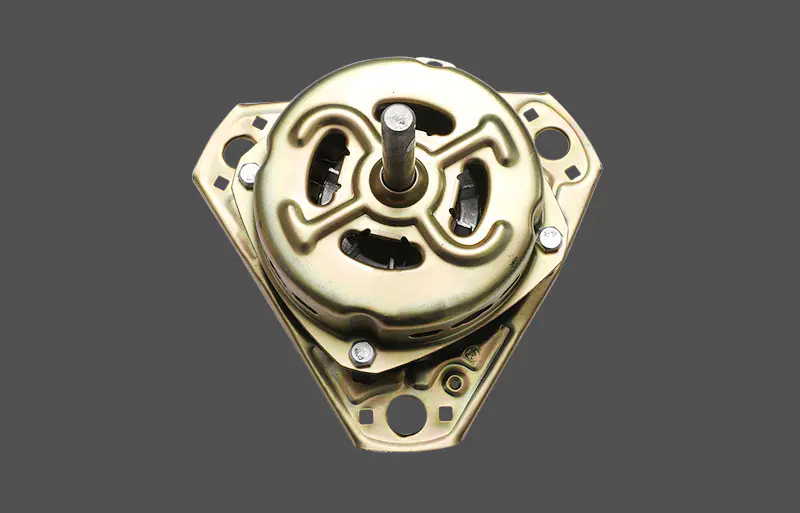
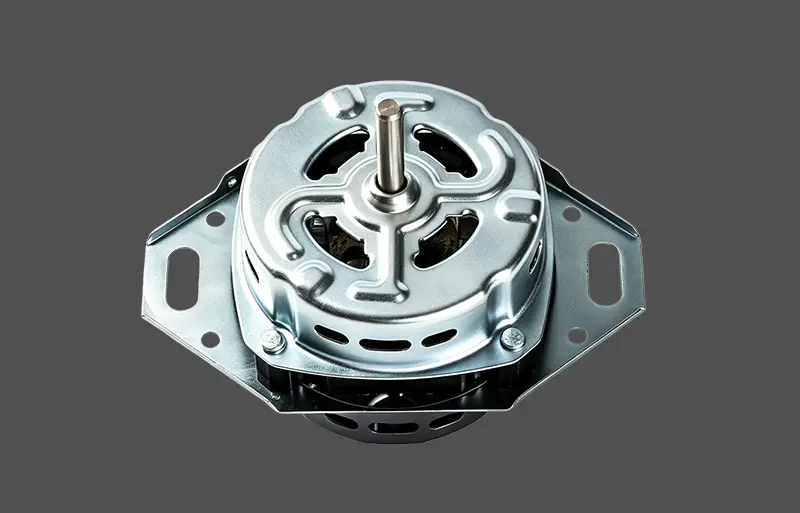
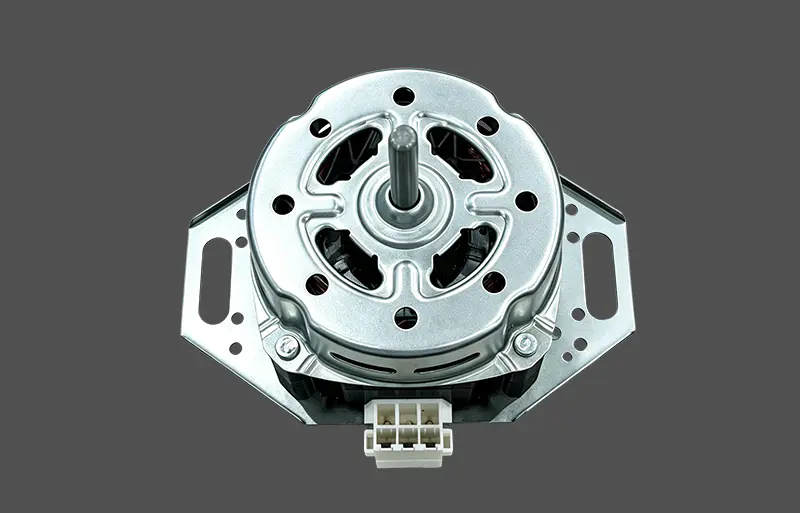
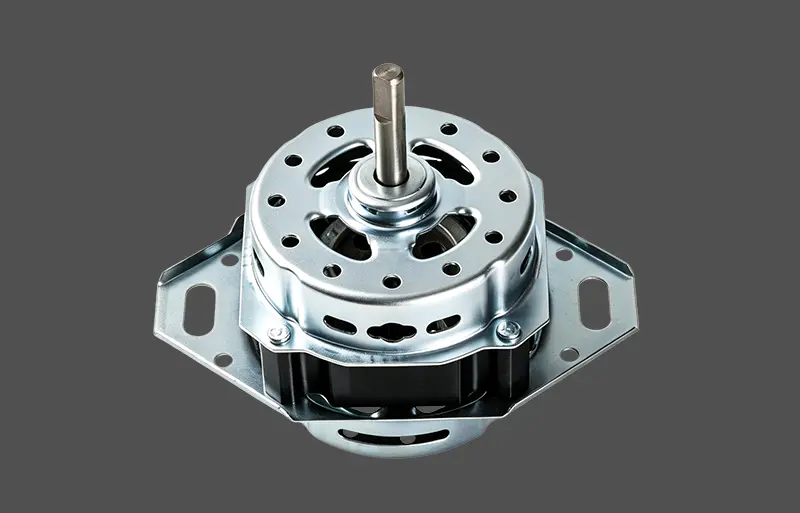
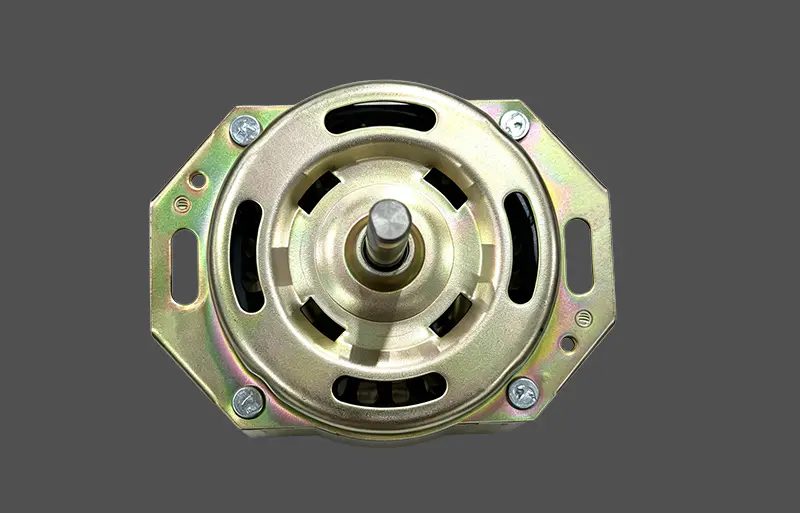
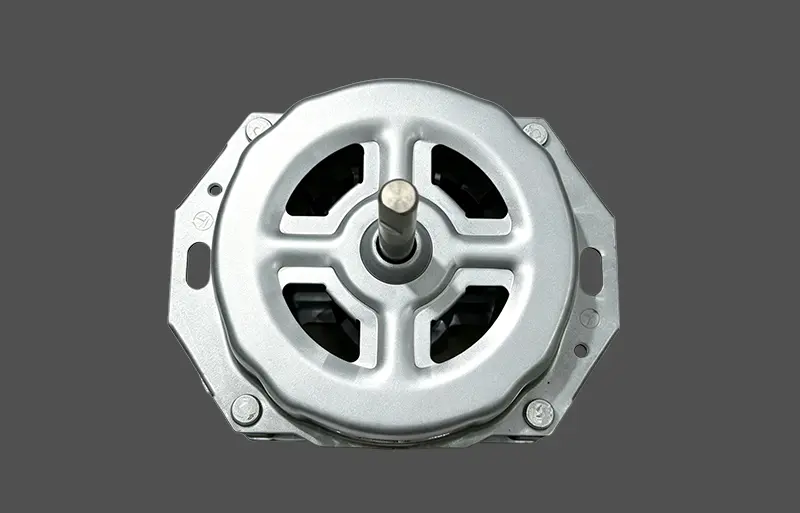
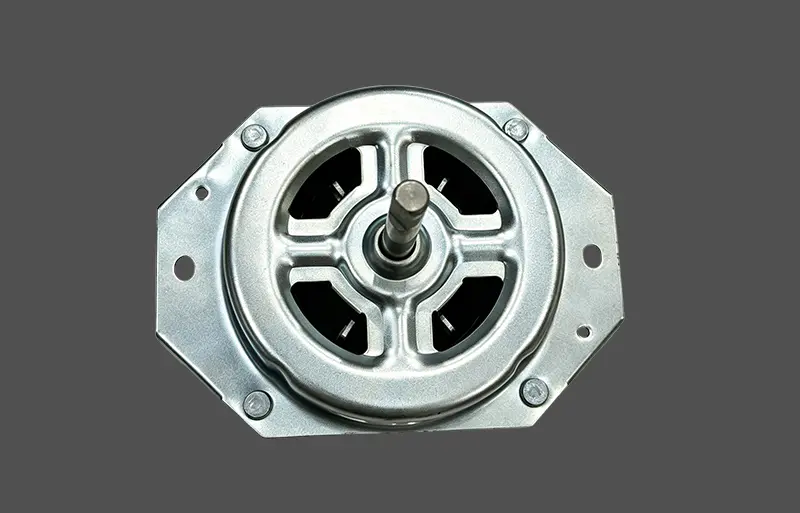
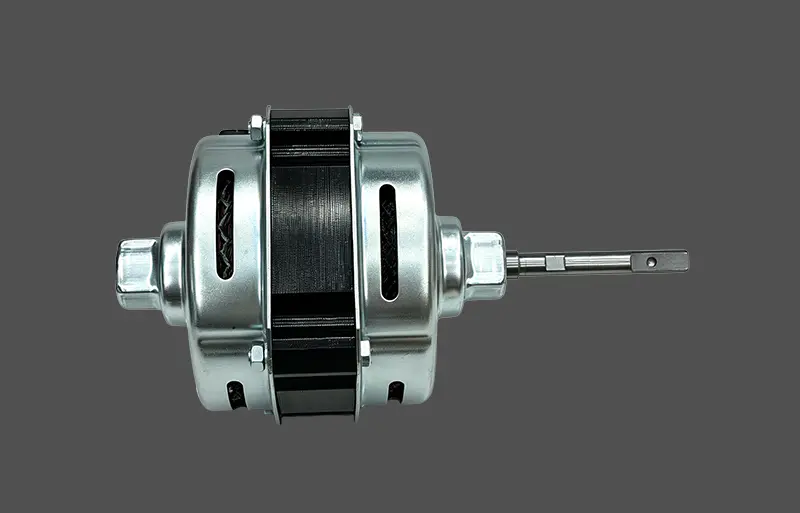
In modern buildings, HVAC (Heating, Ventilation, and Air Conditioning) systems play a crucial role. As a key component of HVAC systems, the ventilation system maintains indoor air quality and comfort through airflow. The ventilator motor, as the driving device of the ventilation system, directly affects the system’s efficiency, reliability, and energy-saving performance. The most common types of ventilator motors used in HVAC systems include induction motors, synchronous motors, variable frequency motors, and permanent magnet motors. This article provides a detailed analysis of these commonly used ventilator motor types from a professional perspective.
Induction Motor
The induction motor is the most common type of ventilator motor used in HVAC systems, especially in industrial and commercial buildings. It operates based on the electromagnetic induction principle, where a rotating magnetic field induces current in the rotor, causing it to rotate. Induction motors are simple in structure, cost-effective, and easy to maintain.
In HVAC systems, induction motors are primarily used to drive fans and ventilation equipment. Due to their high starting torque, they can handle heavy loads, making them ideal for applications requiring high power during startup and continuous stable operation. Although induction motors are less energy-efficient compared to other types, they are still the dominant choice in many traditional HVAC applications due to their low cost.
Synchronous Motor
The main difference between synchronous and induction motors is that the rotor of a synchronous motor rotates at the same speed as the magnetic field produced by the supply current. The rotor is externally excited to maintain synchronization with the rotating magnetic field, providing better efficiency and more precise speed control.
In HVAC systems, synchronous motors are typically used in applications requiring precise control of airflow and ventilation. For example, in laboratories, hospitals, and high-performance commercial buildings, synchronous motors can effectively regulate airflow to meet various ventilation needs. Additionally, synchronous motors offer lower energy consumption and longer lifespans during extended operation, making them more common in high-end applications.
Variable Frequency Motor
With the growing focus on energy efficiency and system performance, variable frequency motors (VFD motors) have become increasingly popular in HVAC systems. Variable frequency motors control the motor speed through a frequency converter, allowing the fan speed to be adjusted based on the load requirements in real-time.
The main advantage of variable frequency motors in HVAC systems is their ability to significantly reduce energy consumption. When air demand is low, a VFD motor can decrease the speed of the fan, thereby reducing energy consumption. Conversely, during high-load conditions, the motor can provide enough power to ensure proper operation. Furthermore, variable frequency motors reduce mechanical wear, extend equipment lifespan, and improve overall system stability. As a result, VFD motors are becoming more widely adopted in modern buildings and industrial applications.
Permanent Magnet Motor
Permanent magnet motors use permanent magnets as the source of the rotor’s magnetic field, eliminating the need for external current excitation. This design results in improved efficiency because the magnetic field strength remains stable, and energy loss is reduced.
In HVAC systems, permanent magnet motors are particularly suited for high-efficiency and compact ventilation equipment designs. Due to their higher efficiency and smaller size, permanent magnet motors are commonly used in spaces that require efficient air circulation, such as high-performance buildings, data centers, and environments with high environmental control standards. Additionally, permanent magnet motors are preferred in residential and commercial HVAC systems due to their low noise and vibration characteristics.
Electronic Commutated Motor (EC Motor)
The electronic commutated motor (EC motor) is a newer motor technology in HVAC systems. EC motors combine the benefits of variable frequency motors and permanent magnet motors, allowing for more precise speed control through an electronic controller while using a permanent magnet rotor for improved efficiency.
EC motors have extremely high energy efficiency and can maintain low energy consumption over a wide range of loads. They are widely used in HVAC ventilation systems that require variable speed and efficient operation, especially in buildings with higher energy efficiency and environmental standards. EC motors not only lower operational costs but also reduce system maintenance requirements, making them an ideal choice for green and smart buildings. As a result, the use of EC motors is rapidly increasing in sustainable architecture and smart building applications.