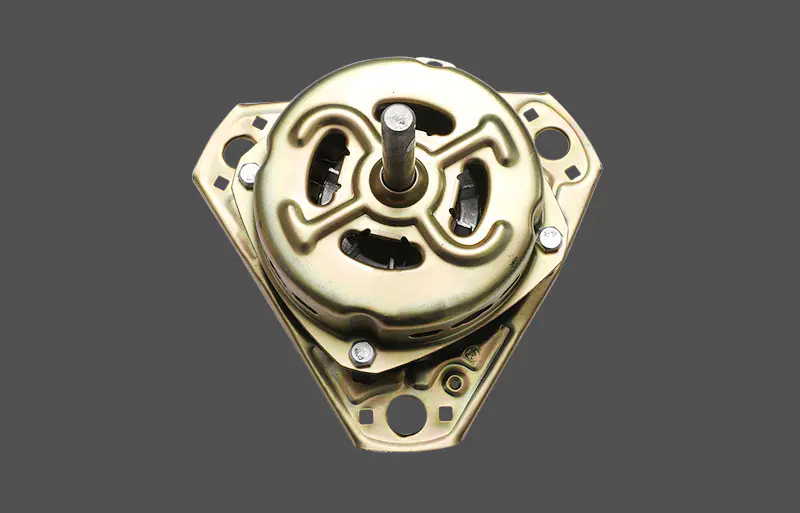
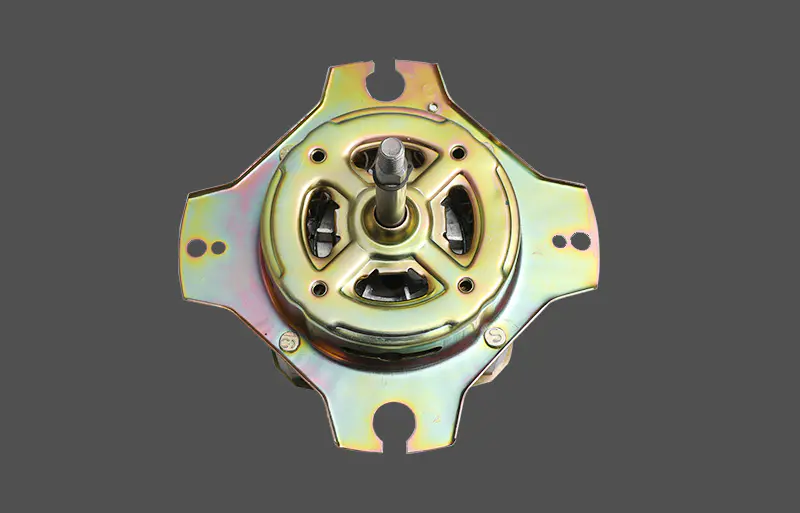
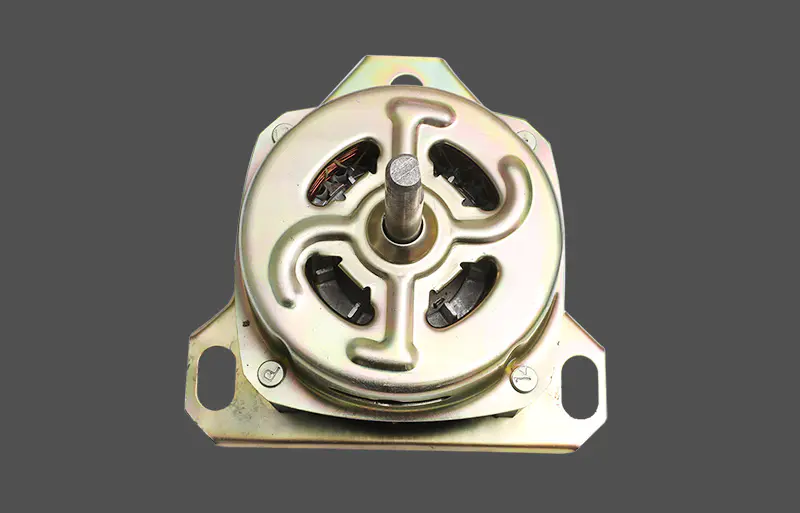
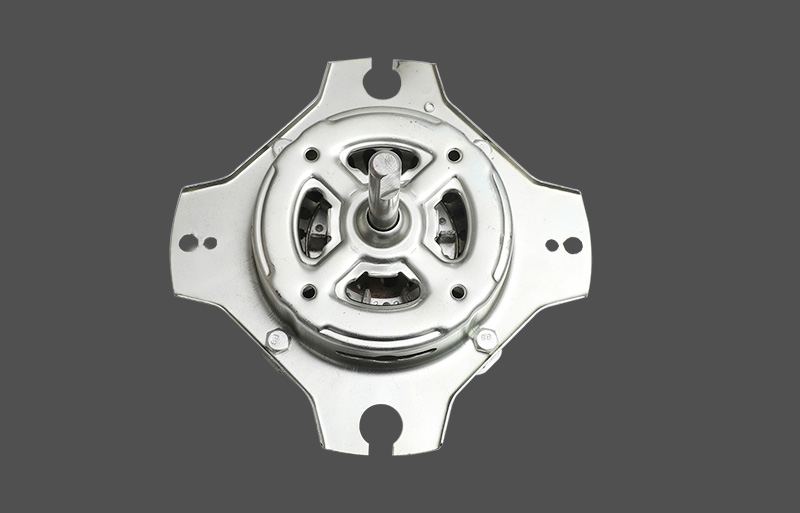
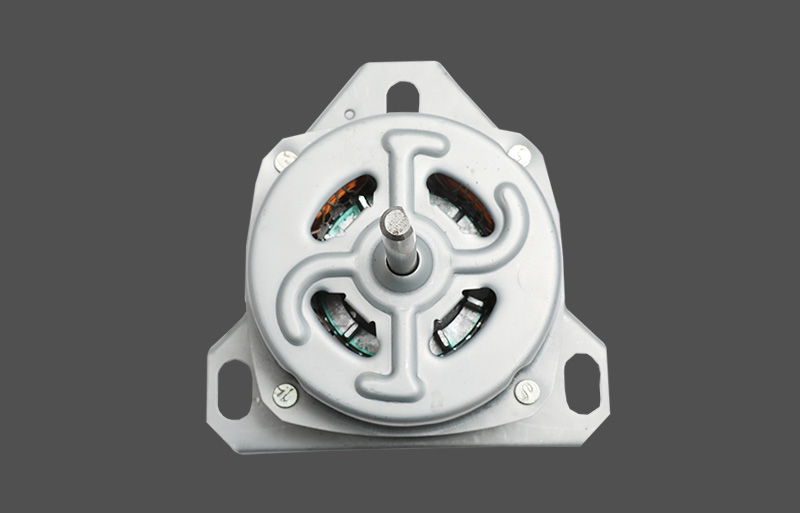
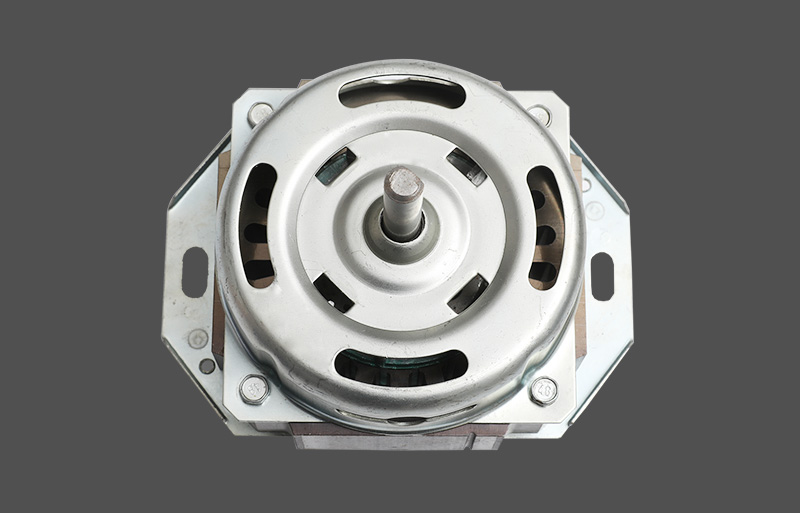
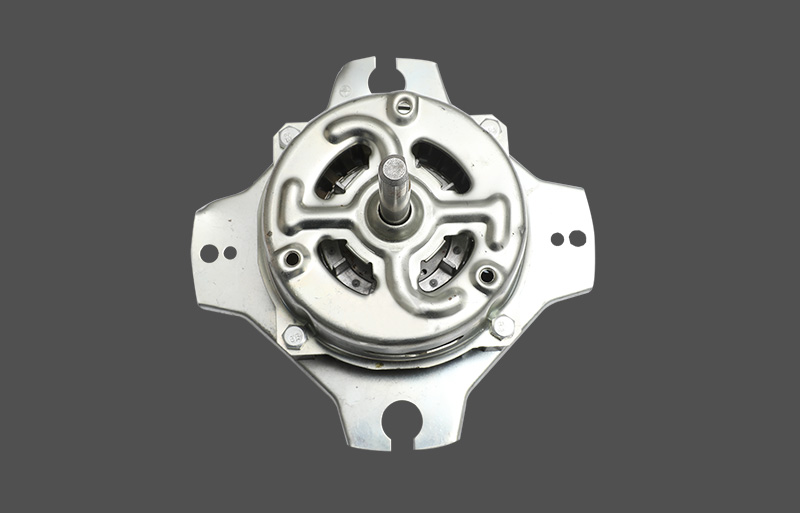
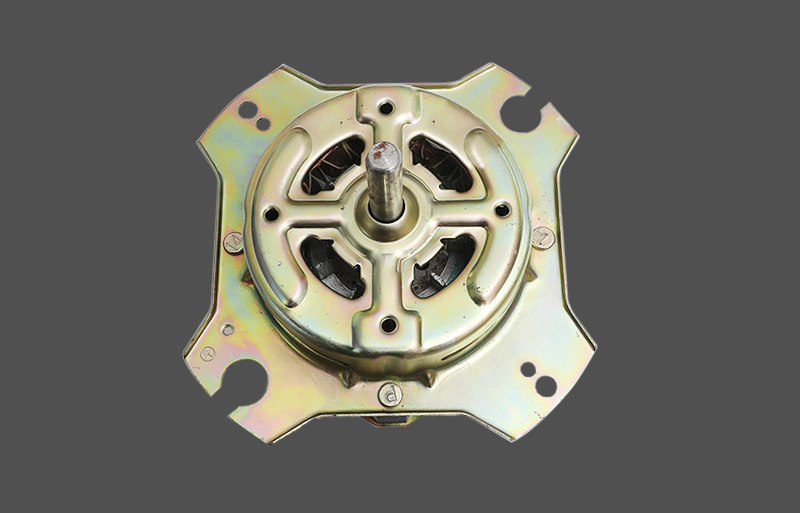
Every washing machine relies on a single mechanical unit to convert electrical energy into rotational force capable of driving a drum through cleaning, rinsing and spinning phases. This unit, commonly referred to across the industry as a washing machine motor, determines noise output, energy consumption, spin stability and long-term durability of the entire appliance. Manufacturing facilities producing these components apply strict engineering standards across winding design, magnetic circuit layout and control electronics integration to meet the performance expectations of appliance assembly lines worldwide.
Engineering Overview of Wash Motor Systems
A wash motor operates within a closed mechanical system that includes the drum, bearing housing, suspension springs and, depending on design, a belt-pulley assembly or a direct rotor coupling. Torque generated by the motor must overcome static friction at startup, maintain stable rotation during agitation cycles and reach high angular velocity during extraction phases without generating excessive vibration.
Production engineers classify wash motors according to three primary criteria: winding configuration, control method and mechanical coupling. Winding configuration determines whether the motor operates as an induction type, a universal brush type or a permanent magnet synchronous type. Control method separates fixed-speed motors from variable-frequency motors managed through pulse width modulation. Mechanical coupling distinguishes belt-driven assemblies from rotor-integrated direct drive units.
Direct Drive Motor Architecture
A direct drive motor eliminates the belt-pulley transmission path found in conventional laundry equipment. The rotor assembly attaches directly to the rear panel of the drum, allowing torque to transfer without intermediate mechanical components. This configuration reduces the number of moving parts subject to wear and shortens the mechanical tolerance chain that affects vibration output.
Rotor Assembly
The rotor incorporates permanent magnets arranged in a radial pattern around the stator core. Magnet grade and arrangement directly influence torque density and cogging behavior during low-speed washing cycles.
Stator Winding
Copper windings are formed around laminated silicon steel cores. Winding resistance, insulation class and slot fill factor determine thermal performance under continuous spin-cycle loading.
Hall Sensor Array
Position sensors feed rotor angle data to the control board, enabling precise commutation timing across the full speed range from gentle wash agitation to high-speed extraction.
Control Board Interface
A dedicated driver board converts incoming AC or DC supply into phased output signals, allowing continuous speed adjustment without mechanical gear changes.
Motor Type Comparison for Laundry Equipment
Selecting a wash motor type for an appliance platform depends on target noise levels, expected service life, manufacturing cost targets and available installation space inside the appliance chassis.
| Motor Category |
Mechanical Coupling |
Typical Noise Level |
Speed Control Method |
Service Life Expectation |
| Direct Drive Motor |
Rotor mounted directly on drum shaft |
Below 50 decibels |
Variable frequency, continuous |
Above 10 years under rated load |
| Belt-Driven Induction Motor |
Belt and pulley transmission |
55 to 65 decibels |
Fixed speed with pole switching |
Limited by belt wear cycle |
| Universal Brush Motor |
Direct or belt coupling |
60 to 70 decibels |
Voltage regulation |
Limited by brush and commutator wear |
Manufactured Motor Series for Appliance Assembly
Production lines supply multiple washing machine motor series engineered for specific drum capacities, chassis dimensions and voltage standards required by different regional markets.
BLDC Direct Drive Series
Rated power range from 150W to 550W. Voltage options covering 110V to 240V single phase. Integrated Hall sensor feedback with sealed bearing housing rated for continuous duty cycles. Suitable for front-load and top-load drum platforms requiring low vibration output.
Induction Wash Motor Series
Rated power range from 250W to 750W. Dual-speed winding configuration for wash and spin phases. Aluminum die-cast rotor construction with moisture-resistant enclosure rated for humid operating environments.
Universal Motor Series
Rated power range from 300W to 800W. Carbon brush assembly with replaceable brush cartridges. High starting torque suitable for compact drum designs with limited installation clearance.
Technical Specification Reference
Component sourcing teams selecting a wash motor for a new appliance platform typically request the following specification categories during technical evaluation.
| Parameter |
Direct Drive Motor |
Induction Motor |
Universal Motor |
| Rated Voltage |
110V - 240V AC / DC bus |
220V - 240V AC |
110V - 240V AC |
| Insulation Class |
Class B or higher |
Class B |
Class F |
| Maximum Spin Speed |
1600 RPM and above |
Up to 1200 RPM |
Up to 1400 RPM |
| Bearing Type |
Sealed deep groove ball bearing |
Sleeve or ball bearing |
Ball bearing with brush support |
| Protection Rating |
IP24 or higher |
IP24 |
IP20 |
How Do I Tell If My Washer Motor Is Bad
Diagnosing a failing washer motor requires observation across mechanical, electrical and acoustic indicators before removal for testing.
Abnormal Noise
Continuous humming, grinding or a sharp whining sound during rotation often points to bearing wear or rotor imbalance inside the housing.
Speed Instability
Drum rotation that fluctuates between fast and slow during a single cycle indicates control board feedback errors or degraded winding insulation.
Failure to Start
A drum that remains stationary after the cycle begins, or one that only rotates after manual assistance, suggests winding failure, capacitor degradation or brush wear.
Overheating and Odor
A noticeable temperature rise on the motor housing accompanied by a burning odor signals winding short circuit and requires immediate power disconnection.
Error Code Display
Control panels on electronically managed appliances display motor-related fault codes when Hall sensor signals or driver board feedback fall outside expected ranges.
Visible Wear on Brushes
On universal motor designs, carbon brush length below the minimum wear line results in inconsistent electrical contact and reduced torque output.
How to Wash Motor Components During Maintenance
Cleaning and maintaining a wash motor extends operational life and preserves rated performance across the expected service period.
Step One
Disconnect power supply completely before accessing the motor housing to avoid electrical contact during inspection.
Step Two
Remove foreign objects such as coins, buttons and fabric fibers from the drum drive shaft area that may increase mechanical load on the rotor.
Step Three
Wipe the motor housing exterior using a dry cloth, avoiding direct water contact with winding terminals and sensor connectors.
Step Four
Inspect ventilation openings on the motor casing for lint accumulation, which restricts airflow and raises operating temperature during continuous cycles.
Step Five
Check mounting bolts and rubber isolators for looseness, since vibration transfer accelerates bearing wear over repeated spin cycles.
Step Six
Verify supply voltage stability using a multimeter, since prolonged undervoltage or overvoltage conditions shorten winding insulation life.
Is It Worth Replacing a Washer Motor
Deciding whether to replace a washer motor depends on appliance age, remaining component condition and the relative cost of the replacement part against a full unit.
| Appliance Condition |
Replacement Recommendation |
| Appliance under 5 years old with no other component wear |
Motor replacement restores full performance at reasonable cost |
| Appliance between 5 and 8 years old with minor wear elsewhere |
Replacement viable if bearing housing and suspension remain intact |
| Appliance over 8 years old with multiple aging components |
Replacement cost efficiency decreases as related parts approach failure |
| Direct drive motor with integrated drum coupling |
Requires precise diagnostic testing to isolate motor fault from control board fault |
Quality Control and Testing Standards in Motor Manufacturing
Production of washing machine motors involves multiple testing stages designed to confirm mechanical integrity and electrical safety before units leave the assembly line.
Endurance Cycle Testing
Motors undergo continuous run cycles simulating thousands of wash and spin sequences to confirm bearing durability and winding thermal stability over extended operation.
Noise and Vibration Testing
Acoustic chambers measure decibel output and vibration amplitude across the full speed range, confirming compliance with target noise specifications for household use.
Insulation Resistance Testing
High-voltage testing equipment verifies winding insulation integrity to prevent current leakage under humid operating conditions common in laundry environments.
Burn-in and Thermal Testing
Extended operation at rated load under elevated ambient temperature confirms winding stability and driver board performance before final packaging.
Custom Motor Development for Appliance Platforms
Appliance platforms differ in drum diameter, chassis depth and target market voltage standards, requiring motor specifications adjusted for each production line.
Engineering teams adjust winding turn count, magnet grade and housing dimensions to match torque curves required by specific drum capacities ranging from compact 6 kilogram units to large capacity 12 kilogram drum platforms.
Mounting bracket geometry, shaft length and connector type are configured according to chassis drawings supplied for each appliance model, allowing direct installation without secondary modification on the assembly line.
Control board firmware is calibrated to match target spin speed profiles, soft-start sequences and unbalance detection algorithms specified for each washing machine motor platform, ensuring consistent performance across full production volume.
Packaging and labeling formats are adapted to destination market requirements, including voltage marking, safety certification numbering and multilingual documentation where required by import regulations.