Basic Definition and Function of Washing Machine Spin Motor
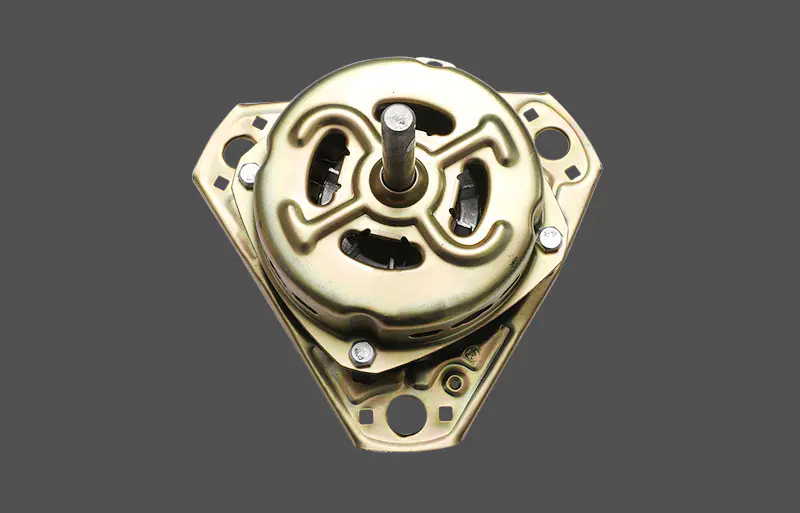
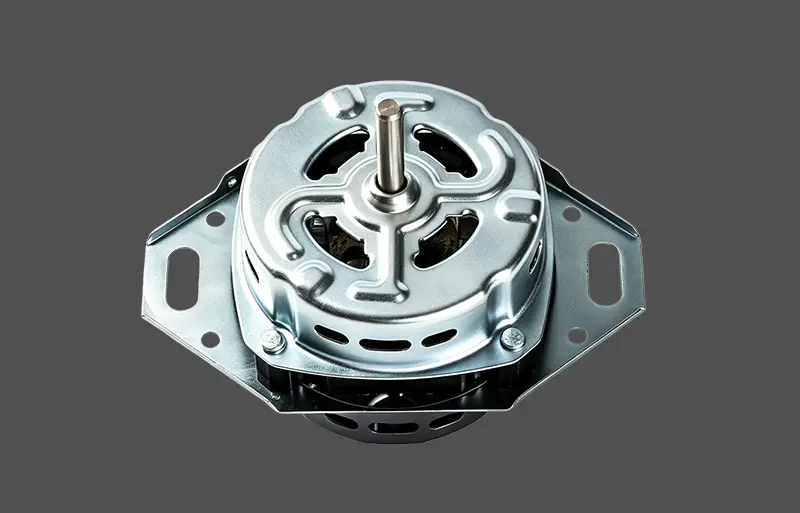
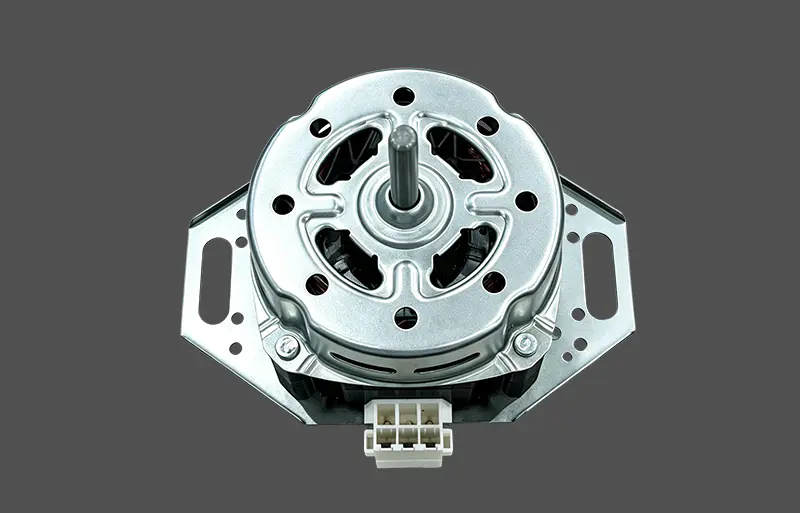
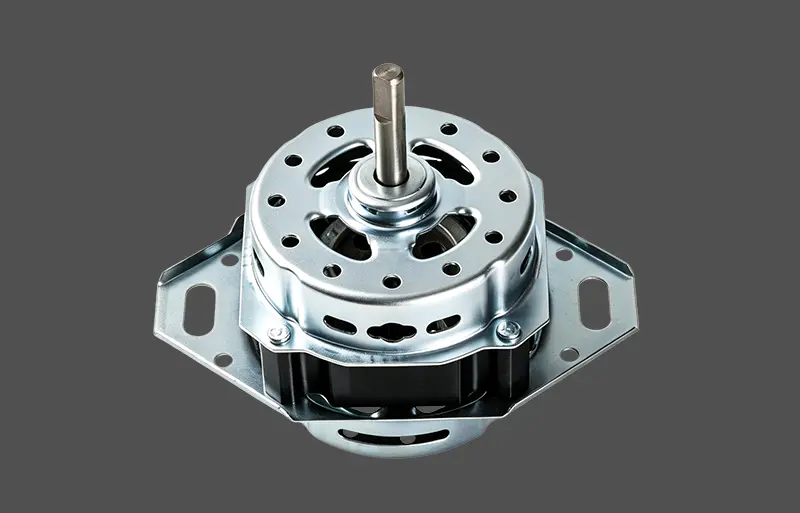
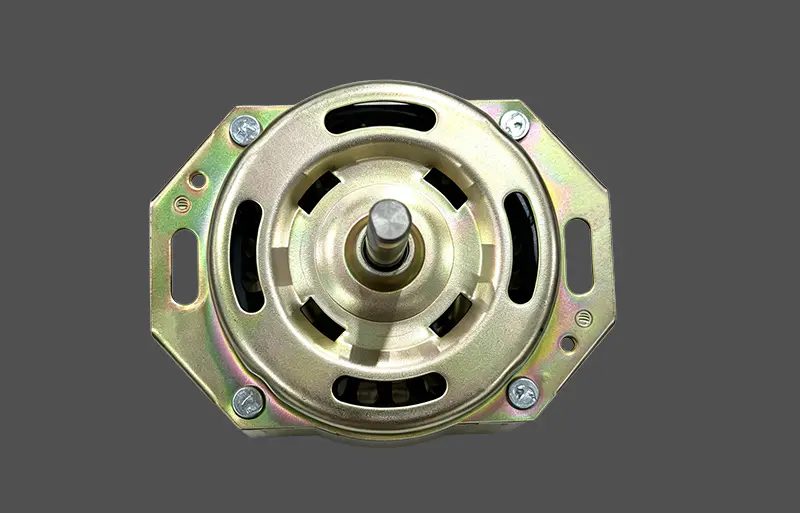
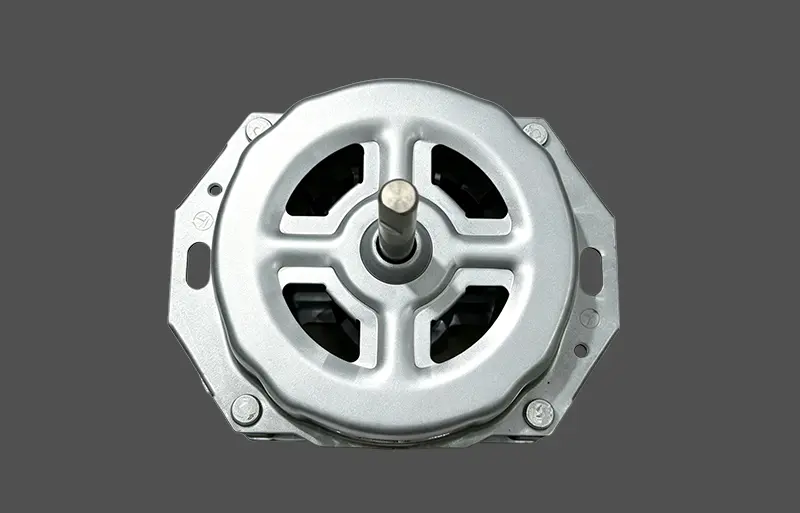
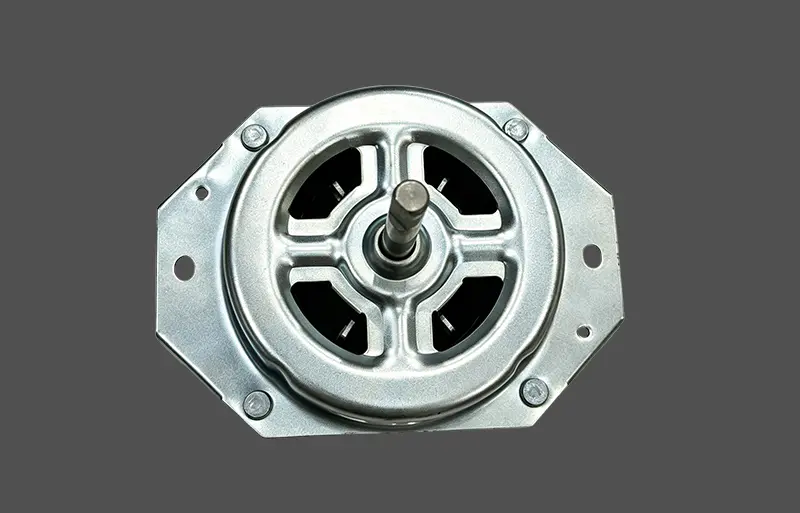
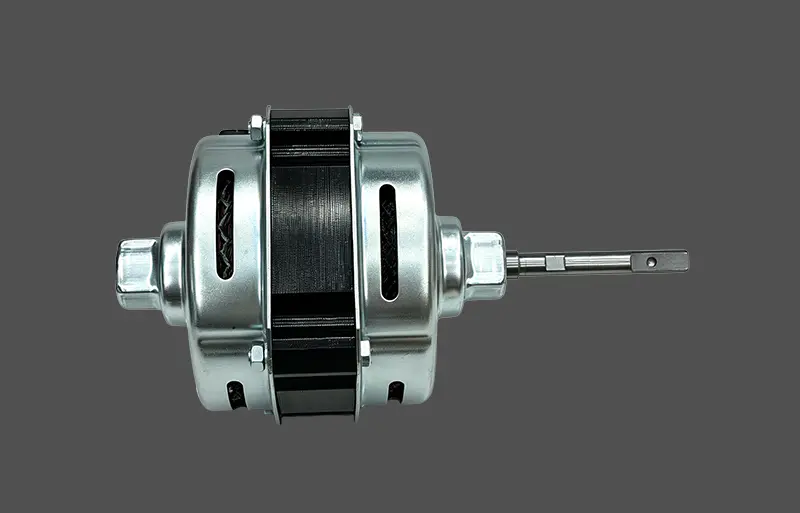
Washing Machine Spin Motor represents a specialized electric motor designed exclusively for washing machine spin-drying operations. This motor primarily drives the spin tub rotating at high speeds, using centrifugal force expelling moisture from laundry. Washing Machine Spin Motor typically employs asynchronous AC motor construction featuring stator, rotor, and associated components. This motor must provide sufficient torque and rotation speed ensuring effective spin-drying operations. Washing Machine Spin Motor constitutes a core component in modern washing machines with performance directly affecting spin-drying results.
Washing Machine Spin Motor Operating Principles
Washing Machine Spin Motor generates rotational power through electromagnetic induction principles. When alternating current flows through stator windings, it produces rotating magnetic fields. Rotors within these rotating magnetic fields generate induced currents, subsequently experiencing electromagnetic forces initiating rotation. Washing Machine Spin Motor typically operates at rotation speeds between 1400-3600 revolutions per minute, generating sufficient centrifugal force effectively expelling laundry moisture. Compared to wash tub driving motors, Washing Machine Spin Motor requires higher rotation speeds and more stable operational performance.
Primary Differences Between Washing Machine Spin Motor and General-Purpose Motors
Washing Machine Spin Motor differs from general-purpose AC motors in multiple aspects. First, Washing Machine Spin Motor features higher design rotation speeds. General-purpose motors typically operate at 1000-1500 revolutions per minute while Washing Machine Spin Motor achieves 2800-3600 revolutions per minute. Second, Washing Machine Spin Motor startup characteristics differ. Spin motors require rapid startup achieving high rotation speeds within brief periods while general-purpose motors feature more gradual startup characteristics. Third, Washing Machine Spin Motor requires frequent starting and stopping operations, imposing special durability demands on motor construction.
Functional Differences Between Washing Machine Spin Motor and Wash Motors
Washing machines typically feature two motors: one driving the wash tub conducting laundry washing and another driving the spin tub performing spin-drying. Although both motors represent asynchronous AC motors, their functions and performance requirements differ completely. Washing Machine Spin Motor must generate higher rotation speeds achieving effective spin-drying while wash motors must generate sufficient torque driving wash tub rotation. Washing Machine Spin Motor power typically ranges 200-800 watts while wash motor power ranges 50-300 watts.
Washing Machine Spin Motor Power Specification Characteristics
Washing Machine Spin Motor power design distinguishes it from other motors. Greater power enables Washing Machine Spin Motor providing sufficient energy within brief timeframes driving rapid spin tub rotation. Increased power improves spin tub acceleration and enhances spin-drying effectiveness. However, excessive power increases energy consumption necessitating balance between performance and efficiency. Modern high-end washing machine Washing Machine Spin Motors typically feature 600-800 watts power while conventional washing machine motors feature 300-500 watts power.
Washing Machine Spin Motor Rotation Speed Design Optimization
Washing Machine Spin Motor high rotation speed design constitutes its core characteristic. Achieving effective spin-drying requires sufficiently high spin tub rotation speeds. Research demonstrates spin-drying effectiveness correlating proportionally with rotation speed squared values. Therefore even minor rotation speed increases significantly improve spin-drying results. Washing Machine Spin Motor typically employs specialized rotor designs enabling stable high-speed operation, differing substantially from general motor rotation speed designs.
Washing Machine Spin Motor Startup Characteristics
Washing Machine Spin Motor requires unique startup characteristics. Preventing laundry and washing machine impact necessitates gradual rather than instantaneous maximum rotation speed achievement. Typically Washing Machine Spin Motor requires 2-5 seconds accelerating from stationary condition to maximum rotation speed. This progressive acceleration approach protects laundry while reducing washing machine structural impacts. Certain high-end Washing Machine Spin Motors feature frequency conversion control systems enabling smoother and more controllable acceleration processes.
Washing Machine Spin Motor Noise and Vibration Characteristics
Washing Machine Spin Motor high-speed operation inevitably produces substantial noise and vibration. Addressing these issues, modern Washing Machine Spin Motor typically employs multiple vibration reduction measures including spring suspension, isolation padding, internal balancing designs. These noise control methods differ from general motor noise reduction approaches. High-end washing machine Washing Machine Spin Motors achieve 70-80 decibel operational noise levels while general motors require only 60 decibel noise control.
Washing Machine Spin Motor Temperature Management
Washing Machine Spin Motor generates substantial heat during high-speed operation. Prolonged frequent usage potentially causes excessive motor temperatures. Consequently, Washing Machine Spin Motor typically features temperature protection devices including temperature fuses or overheat protectors. These devices automatically disconnect power when motor temperatures exceed safe ranges protecting motors from damage. Although general motors may feature temperature protection, requirements rarely match Washing Machine Spin Motor stringency.
Washing Machine Spin Motor Durability Requirements
Washing Machine Spin Motor must endure frequent starting and stopping cycles. Each washing process potentially initiates multiple spin motor activations. Such frequent starts challenge motor lifespan significantly. Satisfying these requirements, Washing Machine Spin Motor design must accommodate starting current surges. Motor windings, bearings, and additional components require withstanding repeated mechanical and electrical impacts, differing substantially from general motor durability requirements.
Washing Machine Spin Motor and Waterproofing Requirements Relationship
Washing Machine Spin Motor typically operates in humid environments. Although motors avoid direct water contact, washing machine internal environments remain relatively humid. Consequently, Washing Machine Spin Motor requires superior waterproofing and moisture resistance. Motor outer shells typically employ waterproof coatings or sealed designs. Such high waterproofing performance requirements constitute another critical Washing Machine Spin Motor and general motor distinction.
Washing Machine Spin Motor Safety Certification Standards
Washing Machine Spin Motor as critical home appliance components must satisfy rigorous safety certification standards including IEC, CCC, UL and multiple international and regional standards. These standards specify motor insulation performance, voltage withstand ratings, safety distances and numerous additional aspects. Compared to industrial motors, Washing Machine Spin Motor requires stricter household appliance safety certification.
Washing Machine Spin Motor Energy Efficiency Ratings
Modern washing machines impose increasing energy efficiency requirements. Washing Machine Spin Motor energy efficiency directly impacts overall washing machine energy consumption. High-efficiency Washing Machine Spin Motor achieves identical spin-drying results while conserving electrical energy. Certain high-end Washing Machine Spin Motors employ vector frequency conversion technology automatically adjusting motor rotation speed and power according to load conditions, substantially improving energy efficiency.
Washing Machine Spin Motor and Frequency Conversion Technology Integration
Frequency conversion technology application represents important modern Washing Machine Spin Motor development direction. Frequency-converting Washing Machine Spin Motor automatically adjusts rotation speeds according to different spin-drying process stages achieving smoother acceleration and more precise control. Such technology improves spin-drying effectiveness while reducing noise and vibration simultaneously improving energy efficiency. Frequency-converting Washing Machine Spin Motor costs remain relatively elevated but usage experience and energy-saving effects clearly surpass conventional Washing Machine Spin Motor.
Washing Machine Spin Motor Maintenance Requirements
Washing Machine Spin Motor maintenance requirements differ from general motors. Due to frequent starts and high-speed operation, Washing Machine Spin Motor bearing wear occurs relatively quickly. Regular lubrication and cleaning prove essential for extending motor lifespan. Certain users report operational efficiency decline after years of use, typically attributable to bearing wear and accumulated internal dust accumulation.
Washing Machine Spin Motor Market Status and Development Trends
Washing Machine Spin Motor market competition intensifies increasingly. Traditional brushed DC motors gradually transition toward brushless DC motor replacement. Brushless DC Washing Machine Spin Motor demonstrates superior efficiency, extended service life and enhanced controllability. Simultaneously, frequency conversion technology application significantly improved Washing Machine Spin Motor performance. Future Washing Machine Spin Motor development directions emphasize increased energy efficiency, enhanced intelligence and improved environmental sustainability.