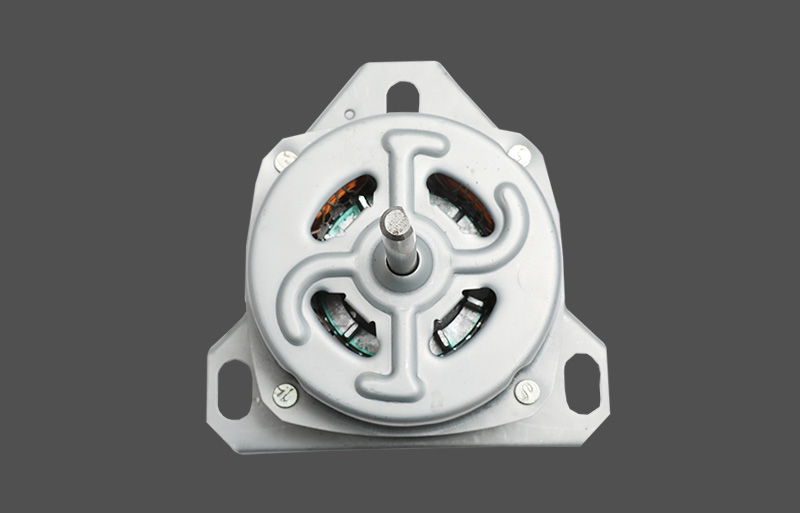
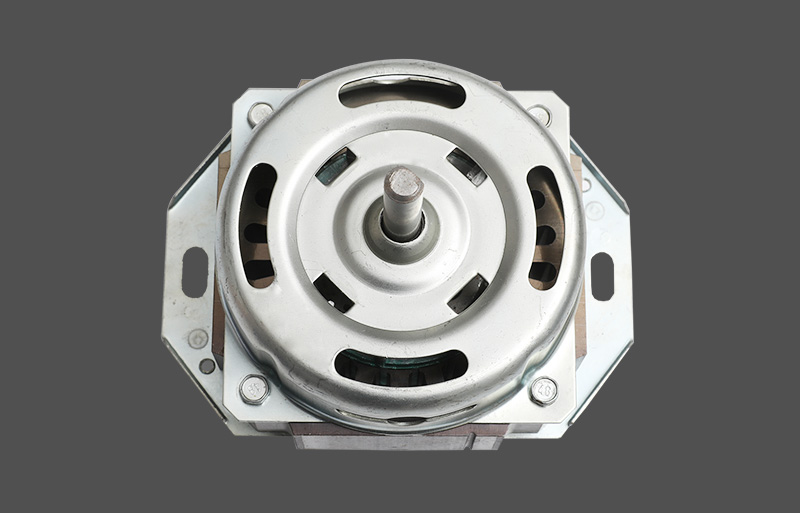
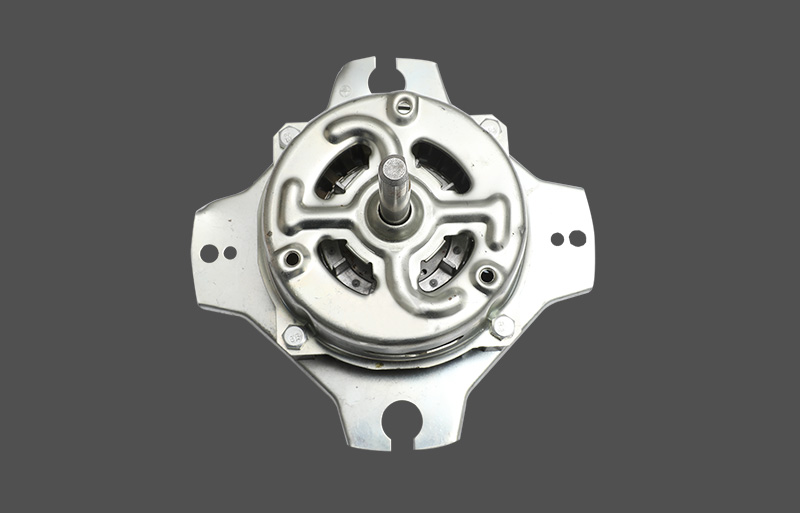
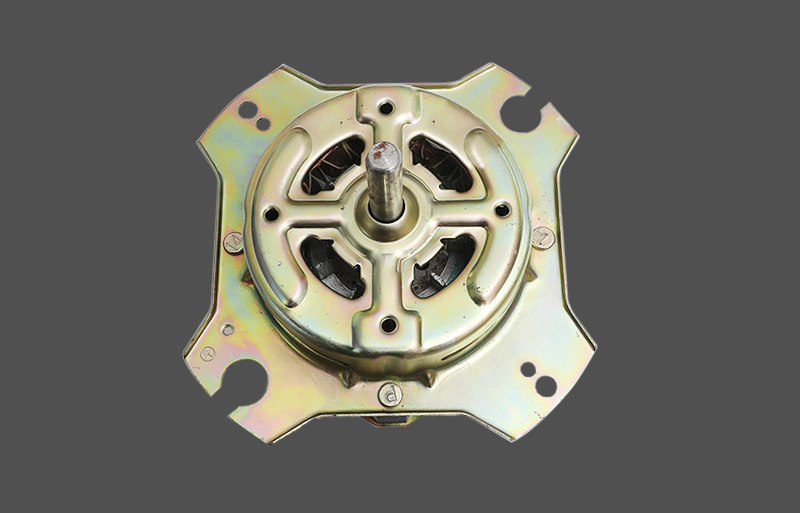
In harsh industrial environments with high humidity, water mist, high-pressure spraying, or even full submersion, ordinary power equipment is highly susceptible to insulation breakdown, internal rusting, or short circuits due to moisture ingress. To ensure high operational reliability under these harsh conditions, power units with specialized sealing and surface treatment processes are essential.
Sealing Structure and Dynamic Waterproof Mechanism
The core of engineering a high-specification waterproof electric motor lies in the structural design of the casing housing and the dynamic sealing of the rotating shaft.
According to the International Electrotechnical Commission (IEC) standards, the liquid protection capability of equipment is quantified by IP (Ingress Protection) ratings. General splash-proof equipment usually reaches IP55 or IP65, while continuous operation under high-pressure cleaning or underwater environments requires industrial-grade standards of IP67 (short-term immersion) or IP68 (continuous submersion).
At the mechanical structure level, the critical barriers to fluid ingress include:
- Static Sealing: High-elasticity fluororubber (FKM) or nitrile rubber (NBR) O-rings are utilized at casing joints, end-cover connections, and cable outlets. These materials offer exceptional anti-aging and corrosion-resistant properties, completely filling microscopic gaps in metal machining under the compression force of tightened bolts.
- Dynamic Shaft Sealing: The rotating main shaft is the area most vulnerable to fluid entry. High-performance units are typically configured with double-lip framework oil seals or labyrinth seal structures. When the bearing rotates at high speeds, the geometric gaps of the labyrinth seal utilize centrifugal force to fling out liquid attempting to seep in, working alongside water-resistant grease to maintain airtightness during operation.
- Cable Entry Protection: The output terminal of the power cable uses a waterproof cable gland, further reinforced with epoxy resin encapsulation. This cuts off any path for moisture to enter the internal housing through the capillary suction effect along the copper wire strands.
Technical Differences Between Brushed and Brushless Architecture in Waterproof Applications
Within direct current power systems, the waterproof dc motor is mainly divided into brushed and brushless technical pathways. The structural differences between the two determine their lifespan and maintenance cycles in humid environments.
Because brushed DC units rely on mechanical friction between carbon brushes and a commutator, they generate slight electrical sparks and carbon dust debris during operation. This architecture requires the internal housing to remain relatively dry, placing extreme demands on the wear resistance of its sealing components. If the dynamic shaft seal suffers minor leakage due to long-term friction, the mixture of internal moisture and carbon dust will immediately reduce insulation resistance, resulting in a burned motor.
In contrast, the waterproof brushless motor possesses inherent structural advantages against liquid intrusion. The brushless architecture eliminates mechanical carbon brushes, fixing the coil windings to the stator while the permanent magnets sit on the rotor. This means that the most critical electrical components (stator windings and electronic circuitry) remain stationary.
During manufacturing, the stator section can undergo vacuum varnish dipping or high-polymer insulation material encapsulation. Even if a minor moisture seepage occurs in the outer casing, the securely encapsulated coils and magnets remain shielded from fluid erosion. This makes the waterproof bldc motor the preferred power choice for underwater robots, marine thrusters, and outdoor automation machinery.
Low-Voltage Power Systems and Miniature Waterproof Unit Parameter Comparison
In practical industrial assembly and equipment integration, the waterproof 12v motor is widely deployed in various portable and mobile outdoor transmission systems due to its safe voltage characteristics. The following table provides a comparison of key performance metrics and application scenarios for different levels of waterproof power units:
| Technical Indicators and Parameters |
Standard Splash-Proof DC Unit |
Industrial High-Pressure Spray Brushless Unit |
Deep Water Submersion BLDC Unit |
| Core Configuration Standard |
waterproof dc motor |
waterproof bldc motor |
waterproof brushless motor |
| Rated Voltage (V) |
12 / 24 |
12 / 24 / 48 |
12 / 24 / 48 |
| Standard Protection Rating |
IP65 |
IP66 / IP67 |
IP68 |
| Bearing Material |
Premium Bearing Steel + Double-sided Dust Shield |
Sealed Oil-retaining Bearing / Stainless Steel Bearing |
High-strength Stainless Steel Bearing / Ceramic Bearing |
| Insulation Class |
Class B (130 degrees Celsius) |
Class F (155 degrees Celsius) |
Class H (180 degrees Celsius) |
| Typical Application Environment |
Outdoor Rain, Agricultural Irrigation Machinery |
Food Processing High-pressure Washing, Vehicle External Equipment |
Underwater Equipment, Professional Cleaning Machines, Submersible Pumps |
The parameter comparison demonstrates that as protection requirements escalate from splash-proof (IP65) to continuous submersion (IP68), the transmission units undergo upgrades not only in sealing configurations but also in internal bearing materials and winding insulation ratings (such as Class H) to withstand fluid shear resistance and changes in heat dissipation conditions.
Systemic Impact of Process Optimization on Operational Stability and Heat Dissipation
Inside a fully sealed casing, heat dissipation is a critical technical bottleneck. Since heat cannot be dissipated through internal air convection, a high-performance waterproof bldc motor relies primarily on thermal conduction through the housing surface to the surrounding medium, such as air or fluid flow.
To prevent condensation caused by temperature differentials inside the unit, high-end designs integrate a waterproof vent valve on the shell housing. This vent valve utilizes expanded polytetrafluoroethylene (ePTFE) membrane material, which blocks liquid water molecules from passing through while allowing gas molecules expanded by internal heat to escape. This balances internal and external air pressure, preventing high and low temperature cycles from damaging the lip structure of the dynamic sealing rings.
By implementing high-thermal-conductivity aluminum alloy housings, vacuum encapsulation processes, and anti-corrosion stainless steel shafts, modern high-protection power transmission units achieve long-term, fault-free operation in humid and tidal environments without sacrificing power density, completely resolving downtime issues caused by excessive environmental humidity.