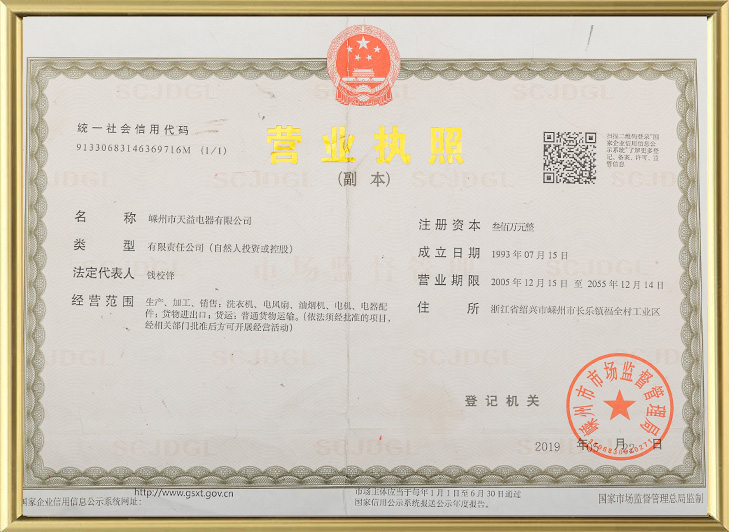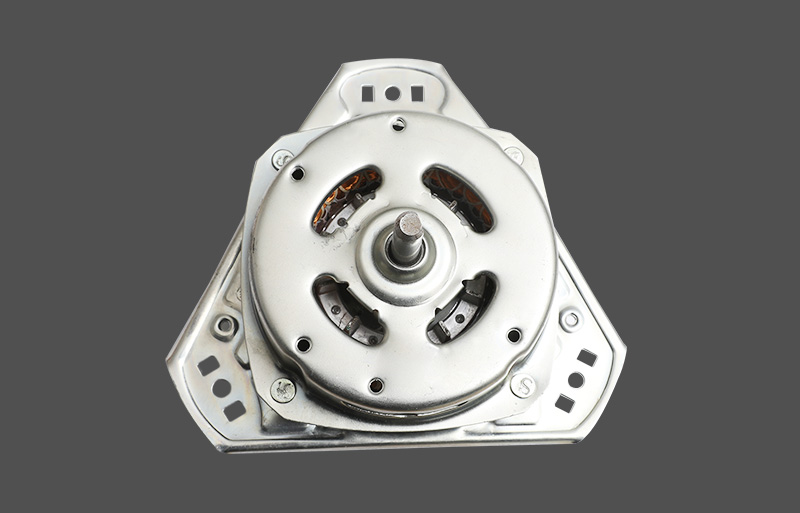
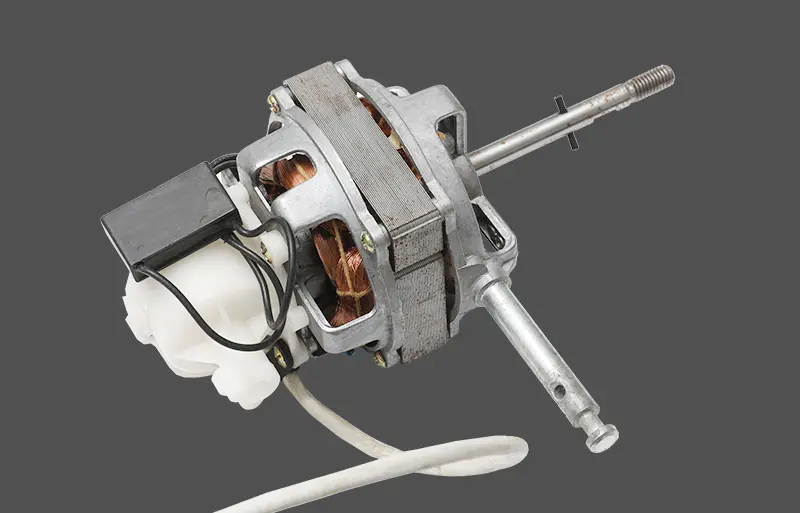

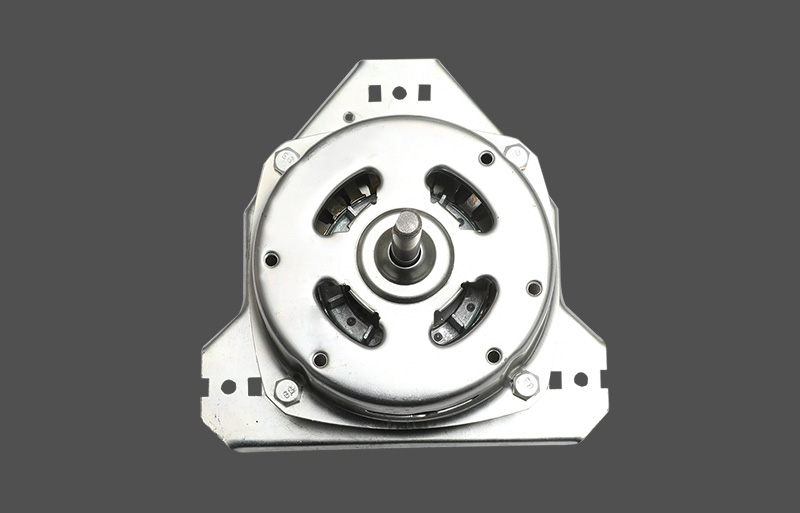
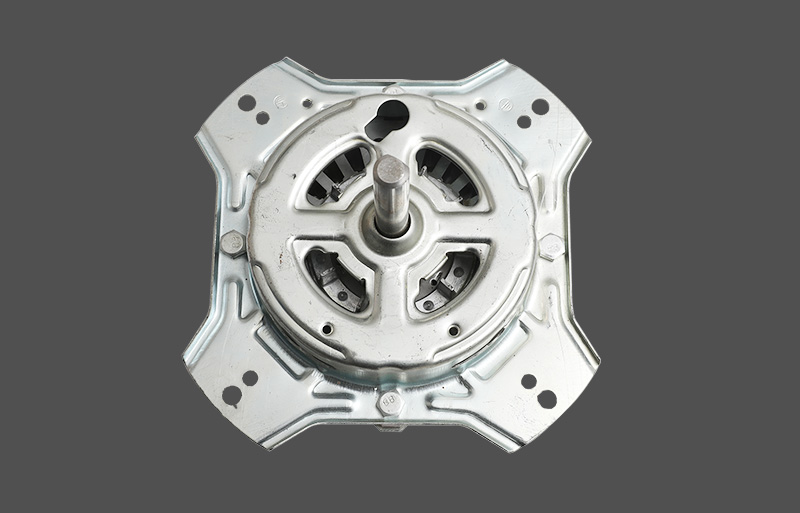
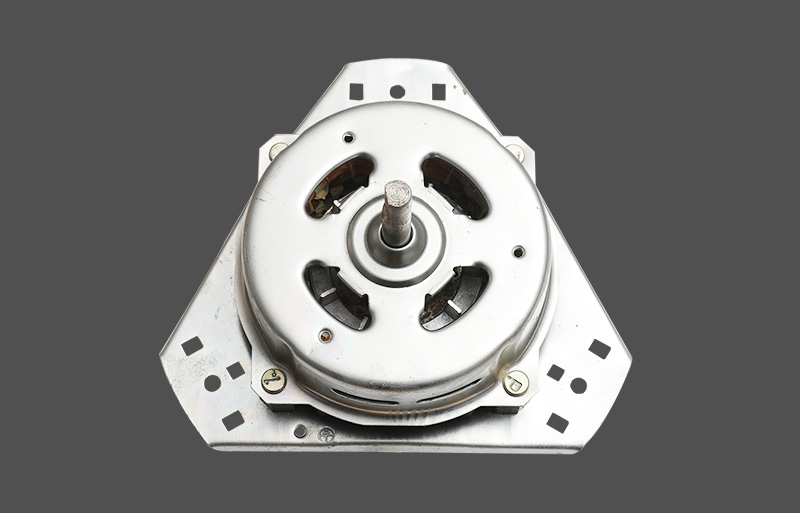
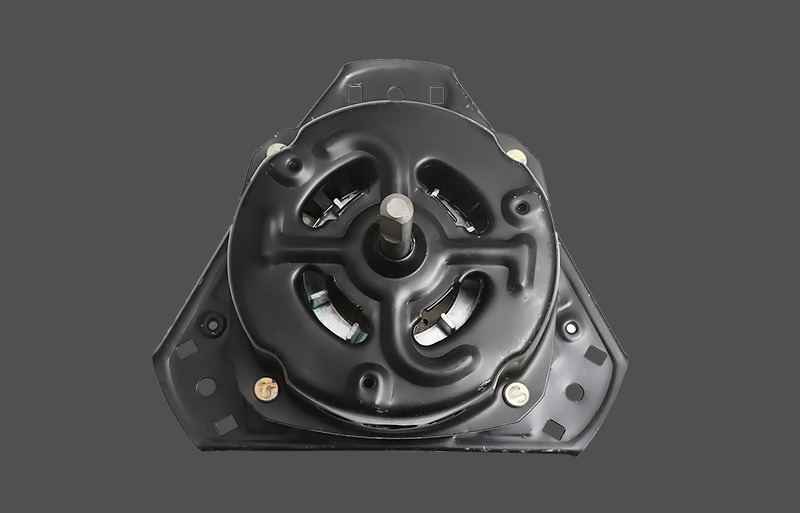


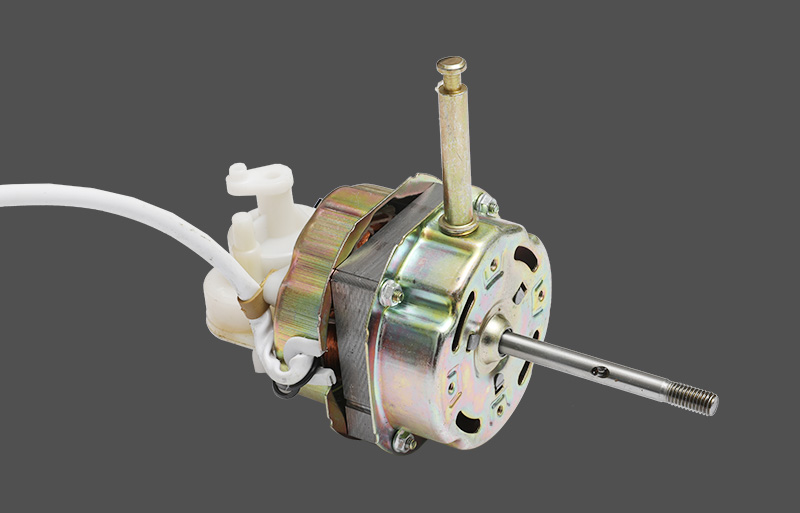
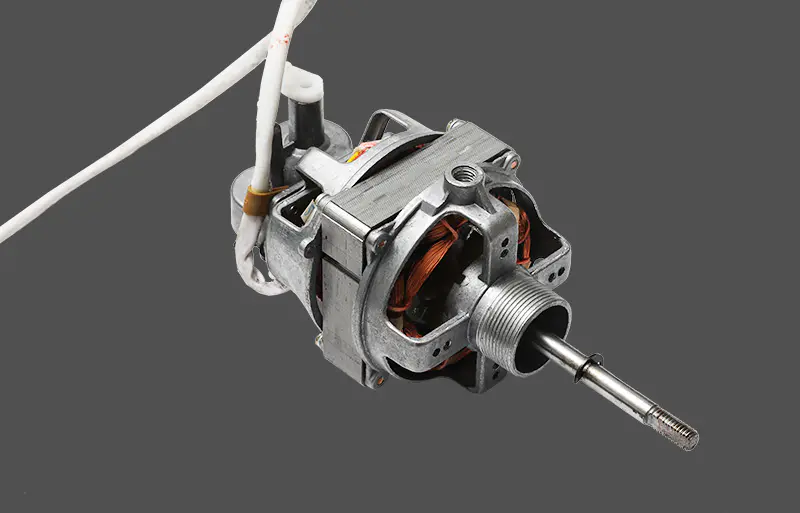
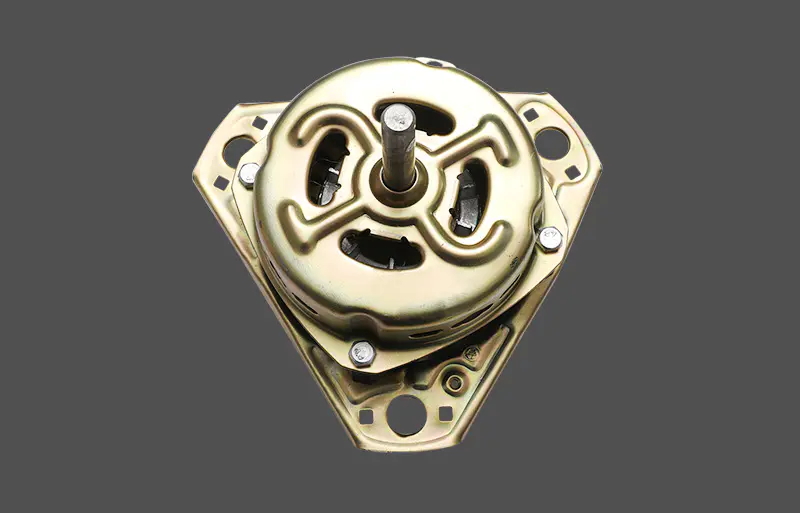
Shengzhou Tianyi Electric Appliance Co., Ltd. was established in 1993 and has been professionally engaged in researching, developing and selling household electrical motors for over 30 years. Tianyi Electric Appliance is China Coffee Grinder Precision Grinding Motor Manufacturers and Custom Coffee Grinder Precision Grinding Motor Factory .Our company offers services covering design and development to production and assembly. We provide professional solutions to customers's motor problems.
Our factory is located in Shengzhou city which is famous for the production base of motors with complete industrial chains. The city enjoys convenient transportation: east from Ningbo about 100 kilometers, west from YiWu about 60 kilometers, north from Hangzhou about 120 kilometers.
With about 200 staff now, more than 50 personnel are of intermediate titles in management and research and development. Owning fixed assets of RMB 100 million, the factory covers an area of 25,000 square meters, with a building area of 20,000 square meters. Besides, Shengzhou Yijin Trading Co., Ltd. and Shengzhou Dinghui Trading Co., LTD are the two subsidiary companies. At present, The main products of our company include household washing machine motors, household air-conditioner motors, range hood motors, fan motors ventilator motors, etc. The annual production capacity of the factory is more than 10 million motors, and we keep a good relationship with some famous enterprises such as ZhejiangXiabao, KoreaElectric Groupp, Artel Group, SUNG HWA TECH.Co., Ltd. Kumkanggreenfan Co., Ltd., etc.
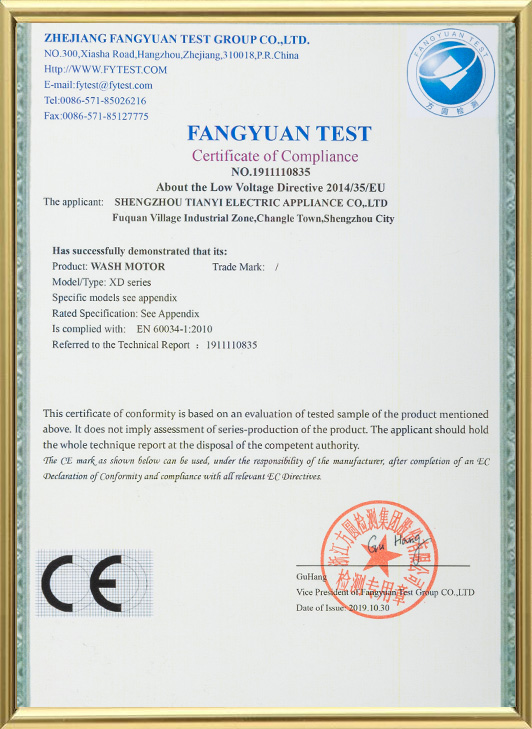
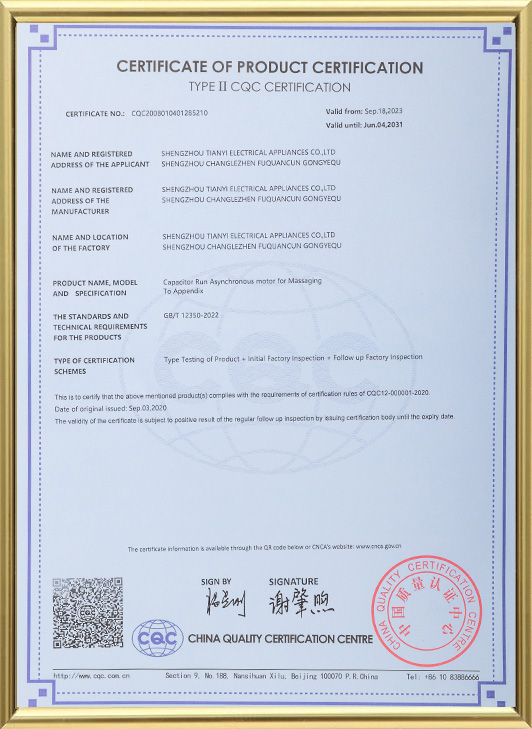
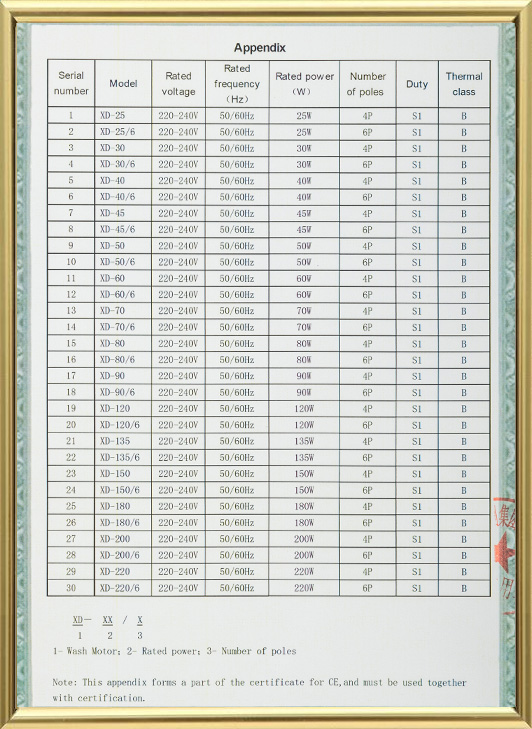
Our company has passed the ISO9001 quality management system and obtained product certifications like CCC and CE.
Shengzhou Tianyi Motor will devote itself to Research Development, and innovation, and we will try our best to provide the best products and solutions for customers with the best service.
In 2023, 12 million household motors were produced, and the total number of washing machine motors was 8 million, range hood motors 1.5 million, fan motors 1 million, ventilator motors 1 million, and on and electric motaccessoriesory half a million.
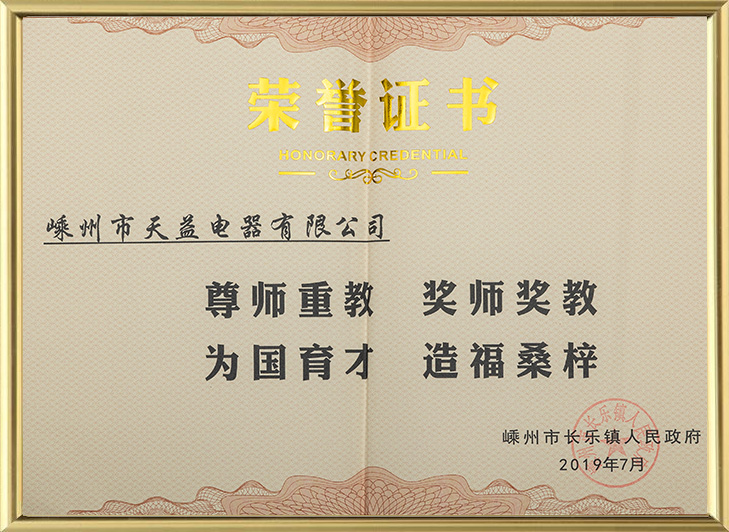
Enterprise honor
In several years of research and development, we paid our sweat to a lot of honors, which also confirmed the efforts we made When look forward,
New targets and new challenges are waiting for us, and we are fully prepared!
Key Technical Specifications
| Parameter | Details / Type |
|---|---|
| Motor Type | BLDC / Universal AC / DC Brush (application dependent) |
| Voltage / Frequency | 110V–120V / 220V–240V, 50Hz/60Hz; or 12V–48V DC |
| Rated Power Output | 50W – 600W (burr grinders); up to 200W (blade grinders) |
| Target Operating Speed | 200 – 1,800 RPM (burr); 10,000 – 30,000 RPM (blade) |
| Speed Regulation Accuracy | ±2% of setpoint (closed-loop models) |
| Speed Control Interface | PWM Input / Analog 0–5V / Serial (UART/I²C) |
| Position Feedback | Hall Effect Sensor / Optical Encoder (360 PPR) |
| Rated Torque | 0.5 N·m – 8.0 N·m (burr-contact point) |
| Insulation Class | Class F (155°C) |
| Ground Coffee Temp Rise | ≤5°C (premium models, per SCA test protocol) |
| Noise Level | ≤68 dB(A) at 1m (burr grinder); ≤78 dB(A) (blade) |
| Bearing Type | Precision Deep Groove Ball Bearings, ABEC-5 Grade |
| Shaft Specification | Hardened Stainless Steel, Ø 6–14mm, Tolerance h6 |
| Compliance Standards | UL, CE, RoHS, IEC 60335-2-14, FCC Part 15 / CISPR 14 |
Core Competitive Advantages
- SCA (Specialty Coffee Association) Protocol Aligned: Our premium motor designs are validated against SCA Golden Cup standard grind quality benchmarks, including particle size distribution analysis (D50, D90 metrics) and ground coffee temperature rise measurement — enabling OEM customers building specialty coffee equipment to make substantiated performance claims aligned with the recognized global coffee quality standard framework.
- Single-Dose Grinding Precision: Advanced BLDC motor models with 360 PPR encoder feedback enable precise grind-by-rotation control (stopping after a defined angular displacement rather than by time), delivering single-dose grind consistency better than ±0.1g across successive doses — a performance level that satisfies the most demanding specialty coffee enthusiasts and professional baristas who prioritize dose precision above all other grinder specifications.
- Active Thermal Decoupling System: For ultra-premium flat burr grinder applications where ground coffee temperature is the dominant quality concern, we offer a motor variant with an integrated Peltier module cooling circuit that actively maintains the motor-to-burr interface temperature at a setpoint below 30°C regardless of ambient temperature or grinding session duration — delivering laboratory-grade thermal stability for the most demanding specialty coffee applications.
- Electromagnetic Interference (EMI) Minimized Design: Coffee grinders are increasingly integrated into smart home and connected kitchen ecosystems alongside Bluetooth scales, Wi-Fi connected espresso machines, and smartphone apps. Our BLDC motor systems are designed and tested to FCC Part 15 Class B and CISPR 14 standards with robust EMI filtering as standard, ensuring the grinder does not introduce interference that disrupts nearby Bluetooth weight scales, espresso machine control systems, or Wi-Fi networks during operation.
- Rapid Custom RPM Programming: For OEM customers with specific burr geometry and target particle size distribution requirements, we offer factory pre-programmed motor controllers with application-specific default RPM setpoints, torque curves, and acceleration/deceleration profiles — eliminating in-factory programming steps and ensuring consistent motor behavior across all units from the first production run.
Installation & Stability Guide
- Typical Installation: The grinding motor mounts to the grinder chassis via precision-machined flanges with controlled perpendicularity (shaft squareness to mounting face within 0.05mm TIR) to ensure the burr carrier axis is geometrically aligned with the static burr mounting face. Critical Step: Burr carrier runout (lateral wobble of the rotating burr surface during operation) must be verified to be below 0.03mm TIR after motor installation — excess runout indicates either motor shaft runout or flange perpendicularity error and must be corrected before the grinder is put into service, as excess burr runout is the primary cause of bimodal grind size distributions that compromise extraction consistency.
- Vibration Isolation Strategy: Mount the motor on EPDM or silicone elastomeric isolators with durometer and geometry selected to provide at least 20 dB vibration attenuation at the dominant motor rotational frequency. This prevents motor vibration from exciting resonance in the burr carrier assembly, the hopper, and the chassis panels — all of which can contribute to grind size distribution widening if they are excited into vibration during the grinding cycle. Verify isolation effectiveness by measuring chassis panel vibration acceleration with and without isolation mounts and confirming the reduction meets the specified minimum.
- Thermal Isolation Verification: After installation, measure the ground coffee exit temperature after a standardized grinding protocol (3 consecutive 20g doses) and verify the temperature rise above ambient does not exceed 5°C for premium models or 10°C for standard models. If the temperature rise exceeds specification, inspect the thermal barrier materials between the motor body and grinding chamber for correct installation, verify that the motor cooling airflow path is unobstructed, and confirm the motor is not being operated at a duty cycle exceeding its thermal design specification.
- Scenario Optimization: For espresso-focused grinders where the target grind setting is in the very fine range (below 400 microns median particle diameter), the grinding torque demand is significantly higher and more variable than for drip or French press grind settings. In this scenario, ensure the motor's closed-loop speed controller gain settings are tuned for the higher torque disturbance rejection required at fine grind settings — insufficiently aggressive controller tuning results in RPM droop under fine grinding load that widens particle size distribution at the most critical point in the espresso extraction range.