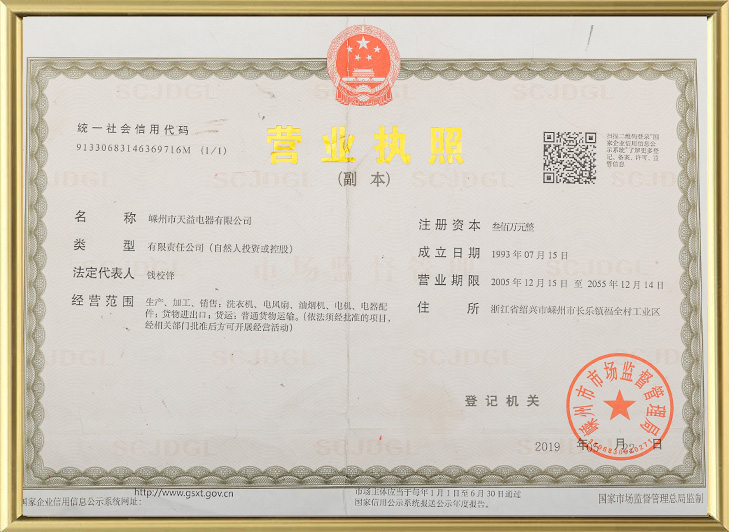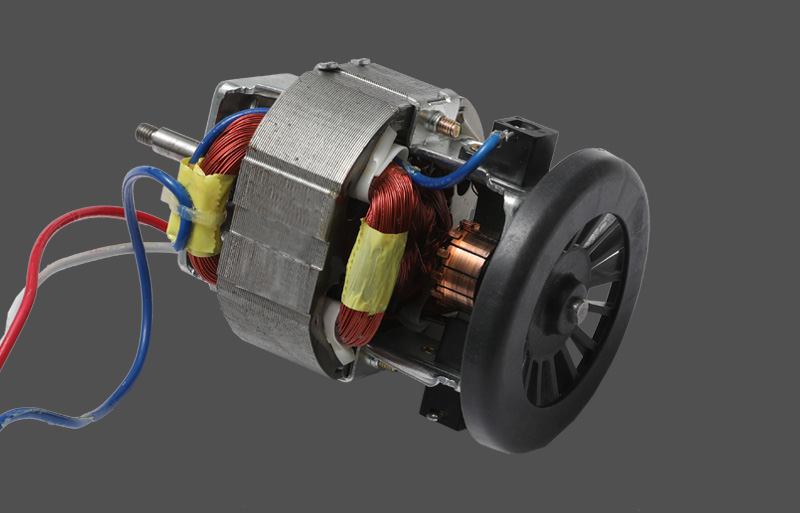
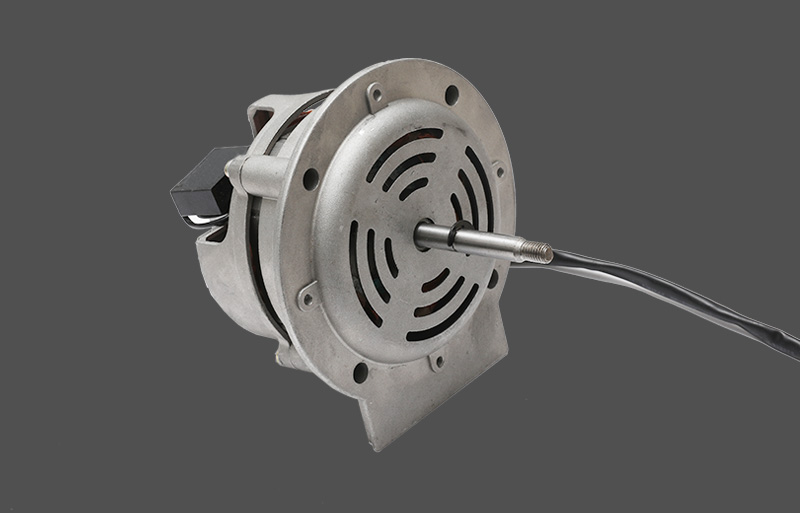
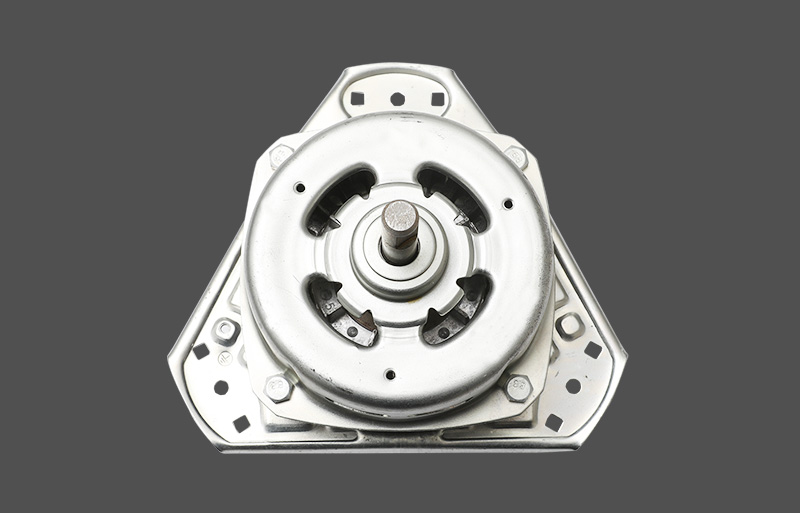
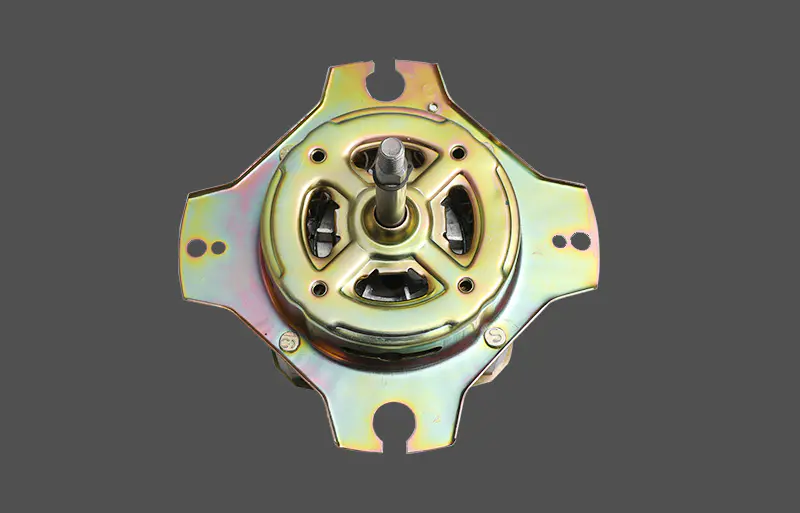
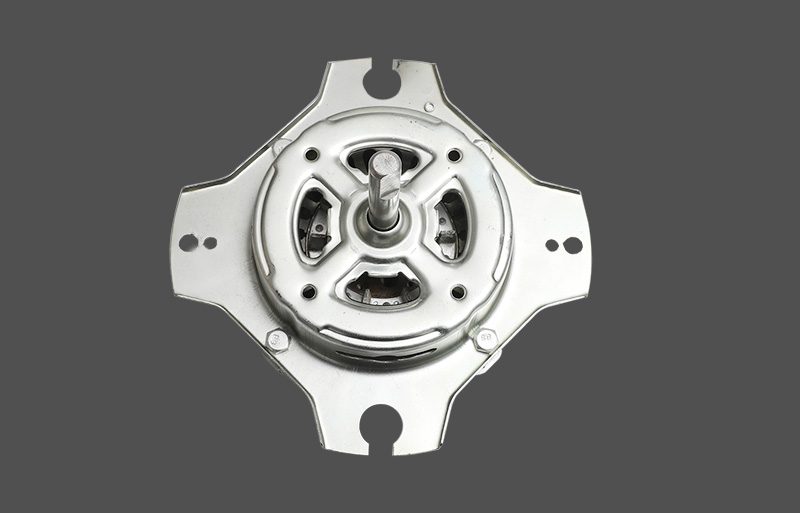
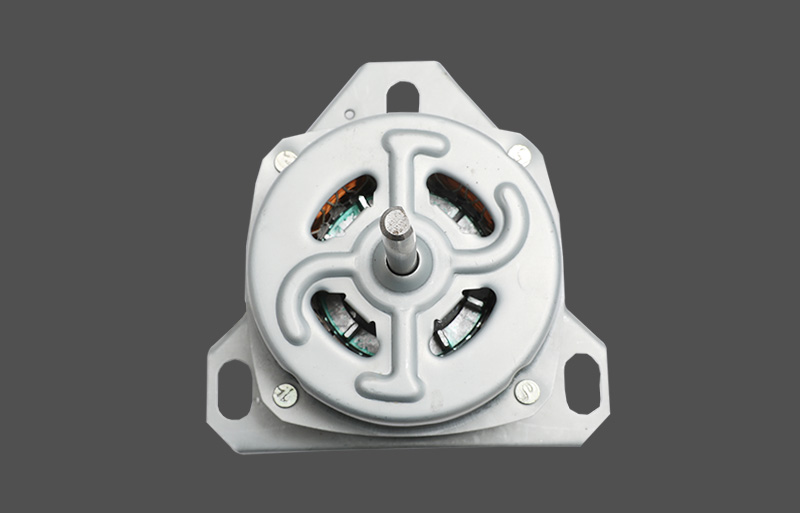
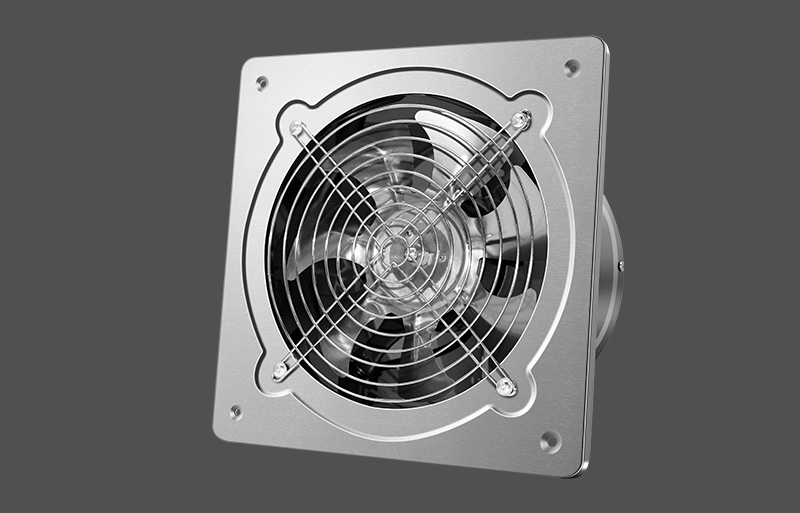
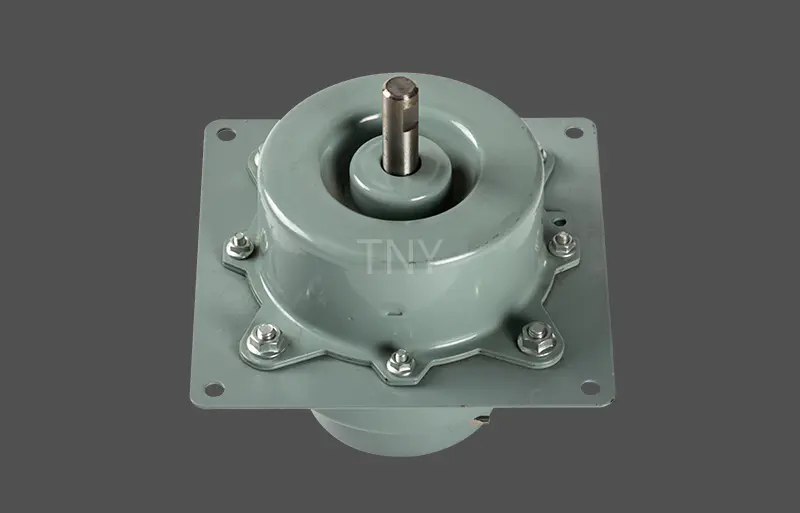
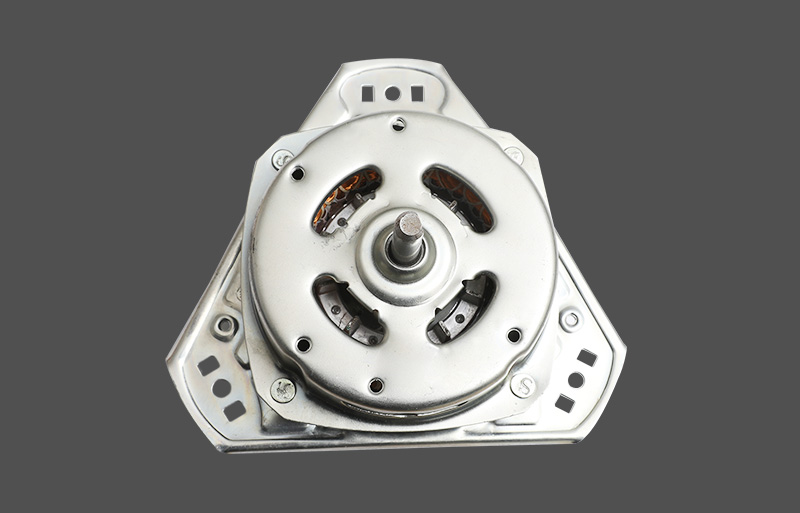
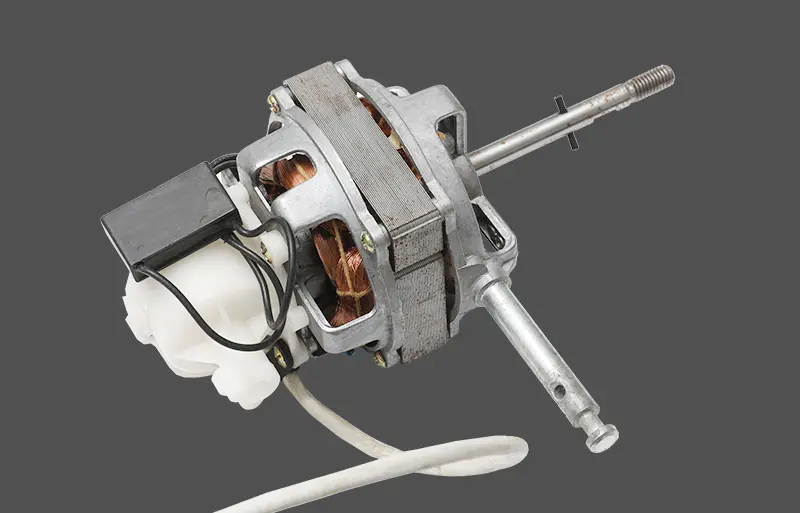
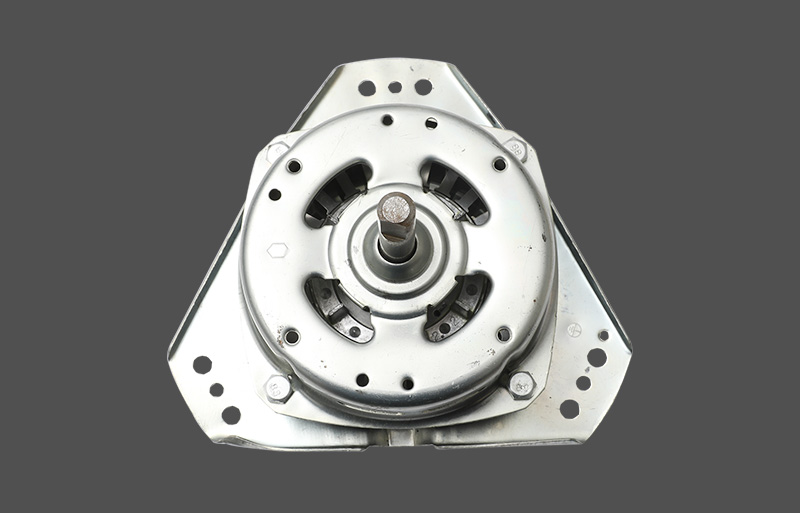

Shengzhou Tianyi Electric Appliance Co., Ltd. was established in 1993 and has been professionally engaged in researching, developing and selling household electrical motors for over 30 years. Tianyi Electric Appliance is China High Power Blender Drive Motor Manufacturers and Custom High Power Blender Drive Motor Factory .Our company offers services covering design and development to production and assembly. We provide professional solutions to customers's motor problems.
Our factory is located in Shengzhou city which is famous for the production base of motors with complete industrial chains. The city enjoys convenient transportation: east from Ningbo about 100 kilometers, west from YiWu about 60 kilometers, north from Hangzhou about 120 kilometers.
With about 200 staff now, more than 50 personnel are of intermediate titles in management and research and development. Owning fixed assets of RMB 100 million, the factory covers an area of 25,000 square meters, with a building area of 20,000 square meters. Besides, Shengzhou Yijin Trading Co., Ltd. and Shengzhou Dinghui Trading Co., LTD are the two subsidiary companies. At present, The main products of our company include household washing machine motors, household air-conditioner motors, range hood motors, fan motors ventilator motors, etc. The annual production capacity of the factory is more than 10 million motors, and we keep a good relationship with some famous enterprises such as ZhejiangXiabao, KoreaElectric Groupp, Artel Group, SUNG HWA TECH.Co., Ltd. Kumkanggreenfan Co., Ltd., etc.
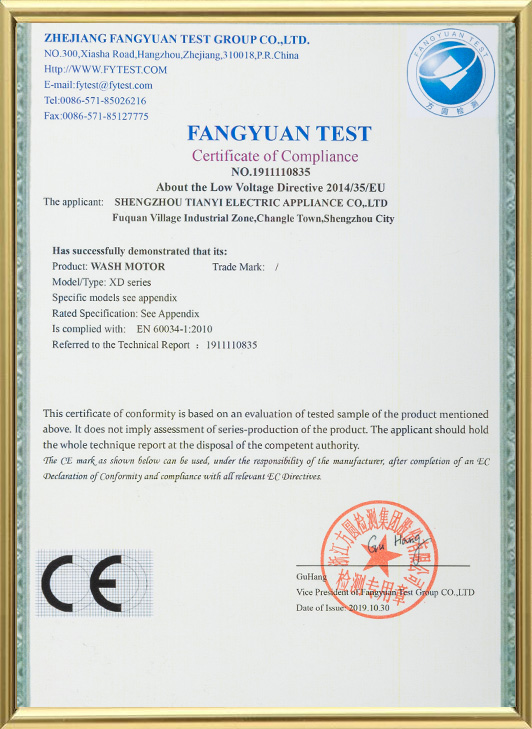
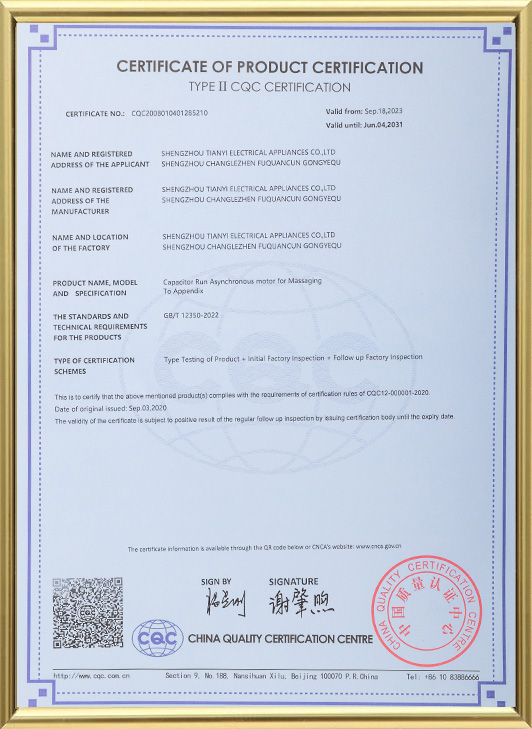
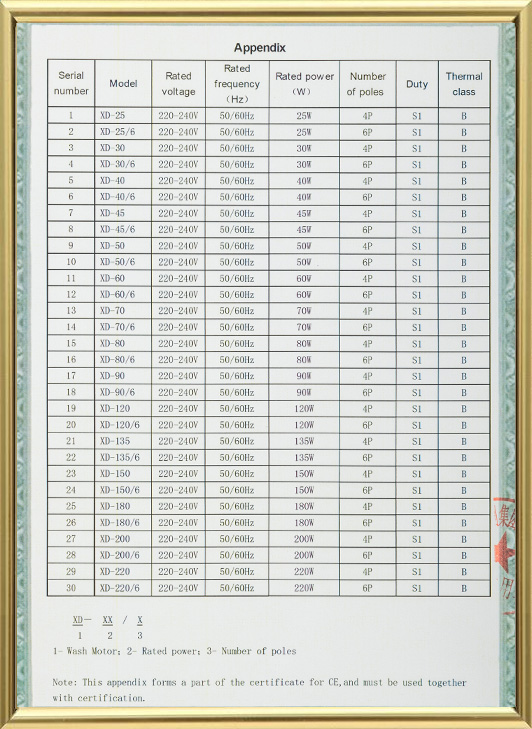
Our company has passed the ISO9001 quality management system and obtained product certifications like CCC and CE.
Shengzhou Tianyi Motor will devote itself to Research Development, and innovation, and we will try our best to provide the best products and solutions for customers with the best service.
In 2023, 12 million household motors were produced, and the total number of washing machine motors was 8 million, range hood motors 1.5 million, fan motors 1 million, ventilator motors 1 million, and on and electric motaccessoriesory half a million.
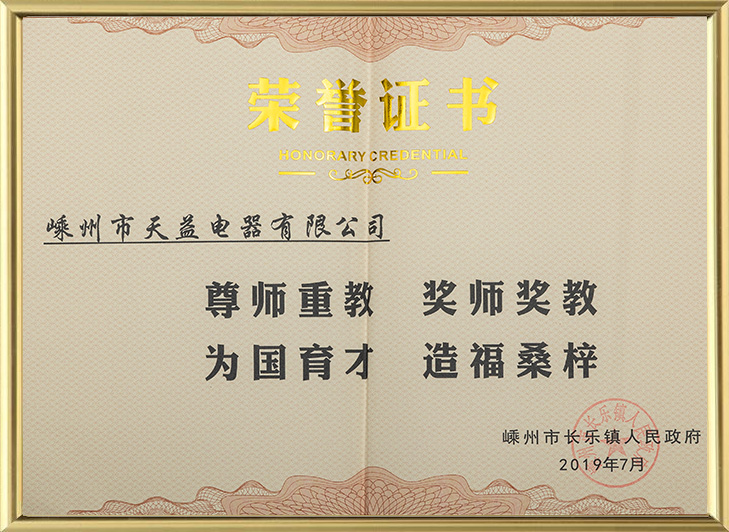
Enterprise honor
In several years of research and development, we paid our sweat to a lot of honors, which also confirmed the efforts we made When look forward,
New targets and new challenges are waiting for us, and we are fully prepared!
Key Technical Specifications
| Parameter | Details / Type |
|---|---|
| Motor Type | Universal AC / BLDC (Brushless DC) / AC Induction |
| Voltage / Frequency | 110V–120V / 220V–240V, 50Hz / 60Hz |
| Rated Power Output | 1,000W – 3,500W (HP: 1.3HP – 4.7HP) |
| Peak Power (Short Duration) | Up to 5,000W (surge, ≤30 seconds) |
| Rated Speed (No Load) | 18,000 – 36,000 RPM (universal); 3,000 – 15,000 RPM (BLDC) |
| Rated Torque | 0.8 N·m – 4.5 N·m (application dependent) |
| Insulation Class | Class F (155°C) / Class H (180°C) |
| Winding Material | 100% Electrolytic Copper |
| Thermal Protection | Embedded NTC Thermistor + Auto-Reset Thermal Cutout |
| Speed Control | PWM Compatible / Triac / Closed-Loop Hall Sensor Feedback |
| Bearing Type | Deep Groove Ball Bearings, Double-Shielded, High-Speed Rated |
| Cooling Method | Self-Ventilated Axial Fan (Integrated) |
| Shaft Specification | Stainless Steel, Ø 10–16mm, Keyway or Flat-Cut |
| Duty Cycle | S2 (Short-Time) / S6 (Intermittent Continuous) / S1 Commercial |
| Compliance Standards | UL, CE, RoHS, IEC 60335-2-14 (Food Processors) |
Core Competitive Advantages
- BLDC Motor Option for Premium Platforms: Our brushless DC motor variants eliminate brush wear entirely — the dominant wear-out failure mechanism in universal motor designs — delivering a maintenance-free service life exceeding 20,000 operating hours while simultaneously providing superior efficiency (85–92% vs 65–75% for universal motors), dramatically lower acoustic noise, and full PWM variable-speed control capability from near-zero to maximum RPM with precise closed-loop speed regulation.
- Overload Current Limiting Electronics: Advanced motor controller integration includes active overload current limiting that caps peak current during stall events (e.g., when ice becomes temporarily wedged against the blade) at a safe threshold, preventing the thermal runaway and motor burnout that characterizes under-protected blender motors while still delivering maximum available torque to break through the obstruction.
- Acoustic Package Engineering: Complete motor acoustic optimization package available including precision G1.0 dynamic rotor balancing, aerodynamically contoured cooling fan blade profiles, motor-to-chassis vibration isolation mount system, and stator slot geometry optimization for reduced electromagnetic noise harmonics — delivering measurably superior acoustic performance for premium consumer brand differentiation.
- Wet Environment Sealing: IP54-rated motor sealing option with labyrinth shaft seal and sealed bearing assemblies protects against liquid ingestion from container overflow, condensation from blending cold ingredients, and cleaning water during appliance washing — a critical reliability differentiator for commercial applications where motor liquid contamination is a leading cause of early field failures.
- Regulatory Pre-Compliance Support: Motors are pre-tested to FCC Part 15 / CISPR 14 EMC standards for conducted and radiated emissions, with filter component recommendations and PCB layout guidance provided to support OEM customers in achieving full system-level regulatory approval efficiently.
Installation & Stability Guide
- Typical Installation: The blender drive motor is mounted vertically within the base housing with the output shaft pointing upward to couple with the blade assembly through a splined or keyed interface. Critical Step: Verify blade assembly axial preload and coupling engagement force specifications are met — insufficient coupling engagement allows relative motion between the blade and motor shaft under peak torque, causing fretting wear of the coupling interface and eventual catastrophic mechanical failure. Apply specified anti-seize compound to the shaft where indicated to facilitate future service disassembly.
- Vibration Isolation: Always install the motor on the specified elastomeric isolation mounts — never rigid-mount the motor directly to the blender base chassis. Rigid mounting transmits full motor vibration to the chassis panels, which act as acoustic amplifiers and dramatically increase appliance noise levels. Verify that the isolation mount durometer (Shore A hardness) matches the motor weight and operating frequency specification — incorrect mount stiffness causes resonance amplification rather than vibration isolation.
- Thermal Clearance: Maintain minimum 15mm clearance between the motor housing exterior and all adjacent plastic chassis components to allow unobstructed airflow through the motor cooling fan inlet and exhaust paths. Restricted cooling airflow is the primary cause of premature thermal protector activation during normal operation — a symptom commonly misdiagnosed as motor overload when the actual cause is thermal management failure in the chassis design.
- Scenario Optimization: For commercial blending installations (smoothie bars, restaurant kitchens) where the blender will be operated at duty cycles significantly more demanding than residential use, specify the S1 commercial continuous-duty motor variant and configure the electronic controller's thermal model parameters to the actual application duty cycle. This ensures the motor's thermal protection system is calibrated for real-world operating conditions rather than default residential duty cycle assumptions.