


For most homes, the best industrial fan is an 18–20 inch high-velocity floor fan or drum fan with three speeds, a metal guard, a tilting head, sealed bearings, and a motor rated for continuous use. It belongs in a garage, basement, workshop, attic access area, or covered patio, not beside a bed. The useful comparison is not “industrial versus ordinary.” It is whether the fan can move enough air through the room without creating unbearable noise, unsafe vibration, or a motor that overheats after two hours.
A true industrial-style fan for home use should do three jobs well: move a large volume of air across the room, survive dust and occasional dampness, and stay stable when the head is tilted or the speed is changed. A decorative pedestal fan may look cleaner in a living room, but it usually lacks the blade pitch, motor cooling, and guard strength needed for a garage in summer. A factory floor fan may be too loud and too powerful for a finished basement. The best choice sits between those extremes.
Quick rule: choose the fan by room volume, not blade diameter alone. A 20-inch fan with poor motor cooling can be less useful than an 18-inch fan with a well-matched blade and a sealed, thermally protected motor.
The same fan should not be used for every room. A garage needs high-velocity circulation and a strong base. A basement needs moisture tolerance and easier cleaning. A workshop needs a guard that resists accidental contact and a motor that can run for long sessions. A living area needs lower noise and smoother speed control. The table below gives the practical starting point.
| Home zone | Best fan type | Typical airflow focus | Noise priority | Main buying concern |
|---|---|---|---|---|
| Single garage | 18–20 inch high-velocity floor fan | 3,000–5,000 CFM on high | Medium | Stable base, metal guard, tilting head |
| Double garage or workshop | 20–24 inch drum or mobile circulation fan | 4,500–8,000 CFM on high | Medium to high | Wheel lock, motor cooling, long cord |
| Basement | High-velocity floor fan with sealed motor | 2,500–4,500 CFM on high | High | Damp resistance, easy blade cleaning |
| Attic or utility room | Wall or window exhaust fan | 1,500–3,500 CFM depending on opening | Medium | Static pressure, weather protection, mounting |
| Covered patio | Mobile high-volume circulation fan | 3,000–6,000 CFM on high | Medium | IP rating, cord safety, surface stability |
For a garage that needs airflow aimed at a workbench, a rolling high-volume circulation fan is often more useful than a fixed wall fan because the airflow can be redirected as projects move. The YS series mobile high-volume circulation fan is the type to compare when portability and direct cooling matter more than quiet operation.
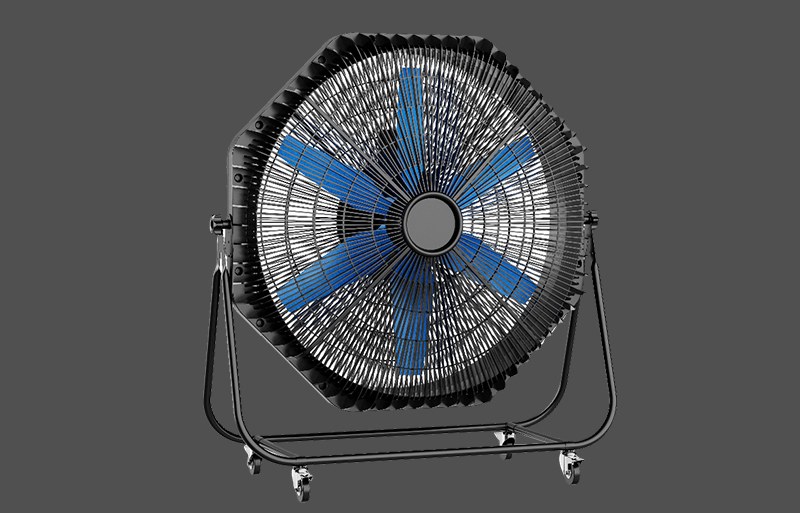 YS-Series Mobile High-Volume Circulation FanA wheeled high-volume fan for redirecting airflow in garages and workshops; compare its models when portability and direct cooling matter more than quiet operation.View Product →
CFM is the starting number, but it is not the whole decision. A fan rated at 5,000 CFM at the blade may deliver much less useful air once it is placed near a wall, pointed into a closed corner, or restricted by a narrow window. For a home, estimate the room volume first, then decide how many air changes per hour the space really needs. A garage with a car, tools, and summer heat may need 8–12 air changes per hour during active use. A basement may need 4–6. A workshop with fumes or dust may need 10–15, but the fan must also be paired with an exhaust path, not just pointed at a wall.
The basic formula is simple: room length × width × ceiling height gives cubic feet. Multiply that by the target air changes per hour, then divide by 60 to estimate the CFM needed. A 20 ft × 20 ft garage with an 8 ft ceiling has 3,200 cubic feet. At 10 air changes per hour, the target is about 533 CFM of effective ventilation. That number is far below the maximum output of a large floor fan, which is why placement and air path matter more than buying the biggest model on the page.
| Space | Room volume example | Target air changes per hour | Estimated CFM |
|---|---|---|---|
| Small basement room | 12 × 14 × 8 = 1,344 cu ft | 5 | 112 CFM |
| Single garage | 20 × 20 × 8 = 3,200 cu ft | 10 | 533 CFM |
| Workshop bay | 24 × 24 × 9 = 5,184 cu ft | 12 | 1,037 CFM |
| Attic utility area | 16 × 20 × 8 = 2,560 cu ft | 8 | 341 CFM |
Use the calculated CFM as a minimum for the air path, then choose a fan with enough margin for distance and obstruction. A fan that can be placed near an open door and aimed across the room will feel stronger than a larger fan trapped behind stored boxes. For a broader comparison of fan styles, this guide on choosing an industrial fan for a facility is useful because the same airflow logic applies at home, just at a smaller scale.
Many home fans fail because the motor is undersized for the guard and blade assembly, not because the fan was used heavily. Look for a motor with thermal protection, sealed or shielded bearings, and a housing that allows air to pass over the windings. A fan used in a garage should not depend on a tiny oil hole or exposed felt wick. Sealed bearings reduce maintenance and keep dust out. If the motor is rated for continuous duty, the fan can run through a long afternoon without the winding temperature climbing into a risky range.
Motor type changes the user experience. A shaded-pole motor is simple and inexpensive, but it is usually less efficient and less powerful for its size. A PSC motor is common in better floor and wall fans because it offers more torque and smoother running. A BLDC or EC motor can reduce energy use and allow finer speed control, but the control electronics must be protected from dust and moisture. From a fan motor manufacturing perspective, the important question is not which label sounds advanced. It is whether the motor, blade, and housing were matched as a system. A high-efficiency motor paired with a poor blade profile can still produce weak airflow and annoying noise.
Lowest cost, simple construction, best for light intermittent use. Expect lower efficiency and less starting torque.
Good balance for garage and workshop fans. Higher torque than shaded-pole designs and widely serviceable.
Efficient and speed-adjustable, but needs clean electronics and a well-designed control box for damp spaces.
For replacement or repair work, the fan motor is the part that deserves the closest inspection. A motor with the wrong speed, rotation direction, or capacitor rating can appear to fit but run hot or start unreliably. This overview of electric fan motors helps separate frame size, speed, and application before ordering a replacement.
A fan that sounds acceptable in an empty store aisle may sound harsh in a concrete garage. Noise comes from several sources at once: blade pass frequency, turbulence at the guard, motor hum, bearing wear, and vibration through the floor. A large slow-turning fan can be quieter than a small fan running at high speed because it moves the same air with less blade velocity. That is why a 20-inch fan on medium speed often feels more comfortable than a 16-inch fan on high.
Check the sound rating at a defined distance, usually three meters, and listen for tone rather than just decibels. A 62 dB fan with a smooth broadband sound may be easier to live with than a 58 dB fan with a sharp whine. In a basement, place the fan on a rubber mat or a stable floor surface and avoid pointing it directly into a flat wall close behind the guard. In a garage, aim the airflow along the long axis of the room so the air has somewhere to travel. If the fan rattles at low speed, the problem may be blade balance, a loose guard, or worn bearings rather than the motor itself.
An industrial-style fan for a home must be safe around children, pets, and workshop debris. The guard should have narrow spacing and enough rigidity that it does not flex when bumped. The base should be wide enough that the fan cannot tip when the head is tilted upward. The cord should be long enough to reach the outlet without an extension cord across a walkway, and the plug should match the circuit. In damp areas, use a GFCI-protected outlet and keep the motor housing away from standing water.
A metal fan is not automatically safer than a plastic fan, and a plastic fan is not automatically weaker. The difference is in the structure: blade retention, guard thickness, motor mounting, and the way the housing handles vibration. A heavy fan that shakes is less safe than a lighter fan that runs smoothly.
Place the fan near an open door or window and aim it along the long axis. Keep the airflow path clear of boxes and parked cars.
Use a sealed motor and a stable base. Point the fan toward an exhaust path so moist air leaves instead of circulating in place.
Choose a guard that resists accidental contact and a motor rated for longer runs. Keep the fan away from fine dust buildup.
For attic access rooms, utility spaces, and wall openings, a fixed exhaust fan may be more effective than a portable floor fan. The fan must overcome static pressure from the duct or louver, and the installation must prevent rain and insects from entering. A square-frame ventilation fan is a practical format for workshops and utility walls where a direct exhaust path is available.
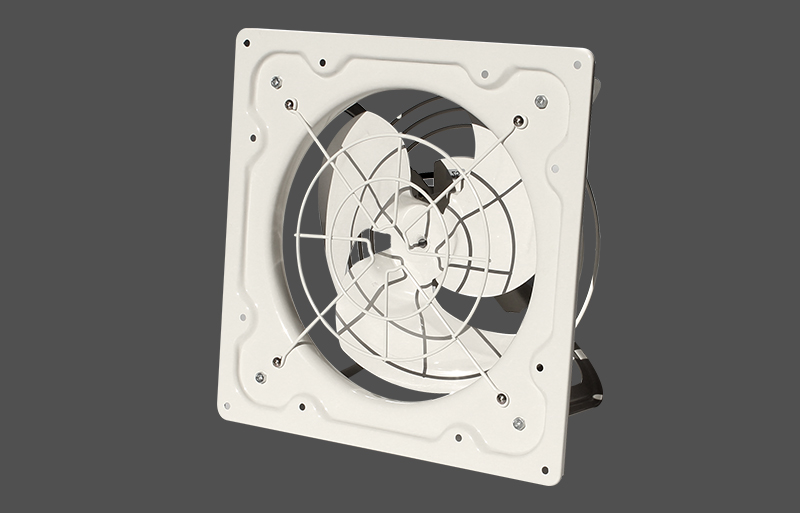 Industrial Square-Frame Wall-Mounted Ventilation FanA wall- or window-mounted exhaust fan for utility spaces and workshops, offering square-chassis sizing options for steady continuous ventilation where a direct exhaust path exists.View Product →
For larger garages or open workshop bays, a mobile circulation fan with a wider base and higher airflow can reduce the need to move the fan every time the work area changes. The BS series industrial large-scale mobile circulation fan is the type to consider when the room is deep and the airflow must reach across a bay.
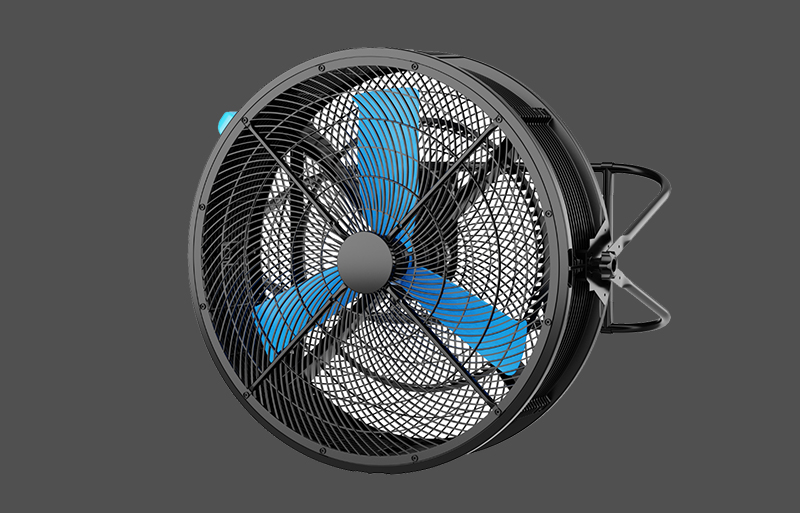 BS-Series Industrial Large-Scale Mobile Circulation FanA wheeled mobile fan for deep garages and workshop bays, with large-diameter airflow options; useful where longer reach and secure placement reduce repositioning during work.View Product →
The first week tells you whether the fan matches the room. Run it at low, medium, and high speed. Listen for a new rattle after ten minutes. Check that the motor housing warms up but does not become too hot to touch. Confirm that the fan does not creep across the floor when the head is tilted. On a mobile fan, lock the wheels and test the tilt range before using it near a wall.
Clean the guard and blades before dust builds into a visible layer. Dust on a blade changes balance and can increase vibration. Do not spray water into the motor or control box. If the fan uses a capacitor, replace it with the same rating rather than a larger one. If the fan begins to need a push to start, stop using it until the capacitor, bearings, and motor are checked.
Stable base and locked wheels
No unusual vibration at low speed
Motor housing warm, not scorching
Guard secure at every clip
Cord free of heat and water
Airflow reaches the work area
Use a short checklist to compare fans on the same basis. Start with room volume and the air path. Then compare motor protection, bearing type, guard strength, base stability, speed control, and noise at the intended distance. A fan with a high CFM rating but no thermal protection is a poor choice for a garage that sees long summer use. A fan with a low noise rating but a weak guard is a poor choice for a workshop with children or pets nearby.
The best industrial fan for a home is usually an 18–20 inch high-velocity floor or drum fan with a thermally protected motor, sealed bearings, a strong metal guard, and a stable base. Choose a larger mobile circulation fan for a deep garage or workshop, and choose a wall exhaust fan when the goal is to remove air from an attic or utility room.
It can, but it is rarely the best fit. Most industrial-style fans are designed for airflow and durability rather than low noise. A bedroom usually benefits from a smaller fan with smooth speed control and a lower sound rating.
No. Higher CFM can help in a garage or workshop, but it can also create more noise and turbulence. The fan must match the room volume, the air path, and the amount of time people spend in the space.
Many quality fans can run for hours if the motor is rated for continuous duty and the housing is kept clear of dust. Check the motor temperature during the first long run. If the fan smells hot, rattles, or slows down, stop using it and inspect the motor and bearings.
A 20–24 inch high-velocity or drum fan is a practical starting point for many two-car garages, but airflow placement matters as much as diameter. Aim the fan along the length of the room and provide an open path for air to enter and leave.
Choose by structure, not material alone. A well-braced plastic housing can be stable and safe, while a thin metal guard can bend. Check blade retention, guard rigidity, base width, and motor mounting before deciding.
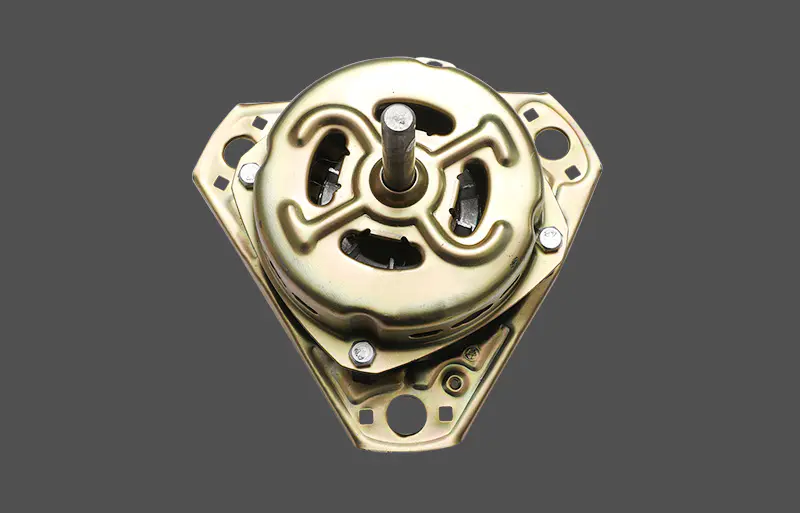
Ty001 Double-Tub Washing Machine Dedicated Motor
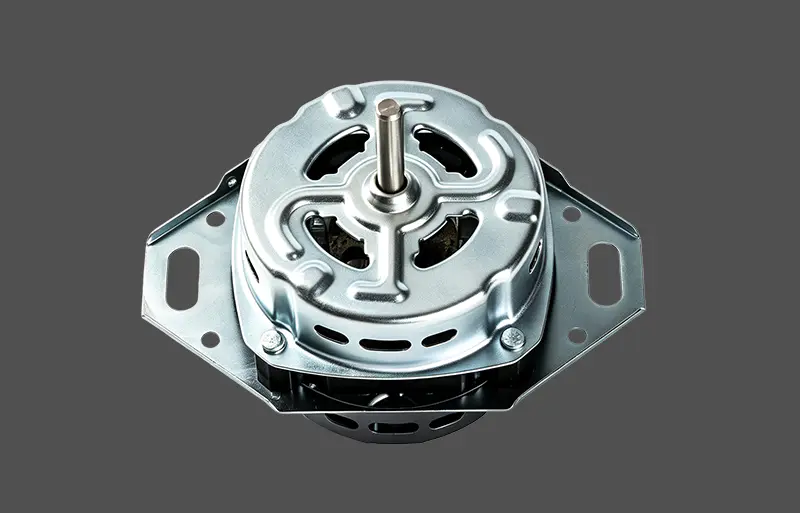
TY002 Powerful & Durable Copper-Wound Washing Machine Motor
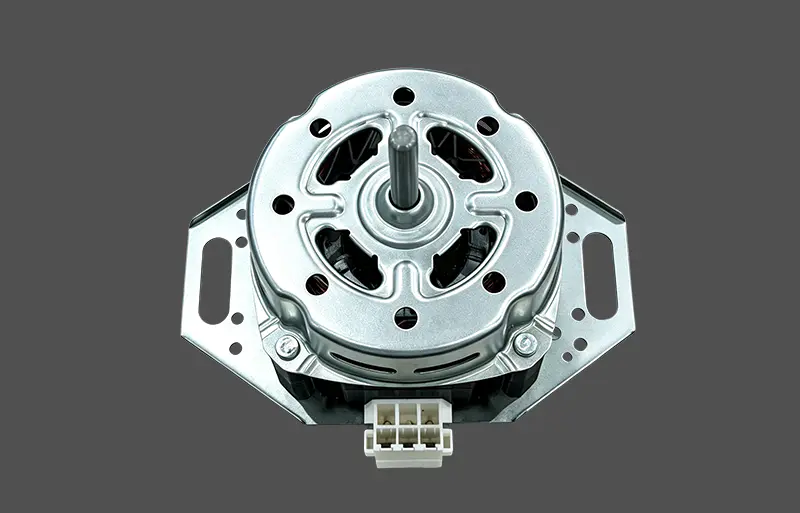
Environmental Cover Washing Machine Motor
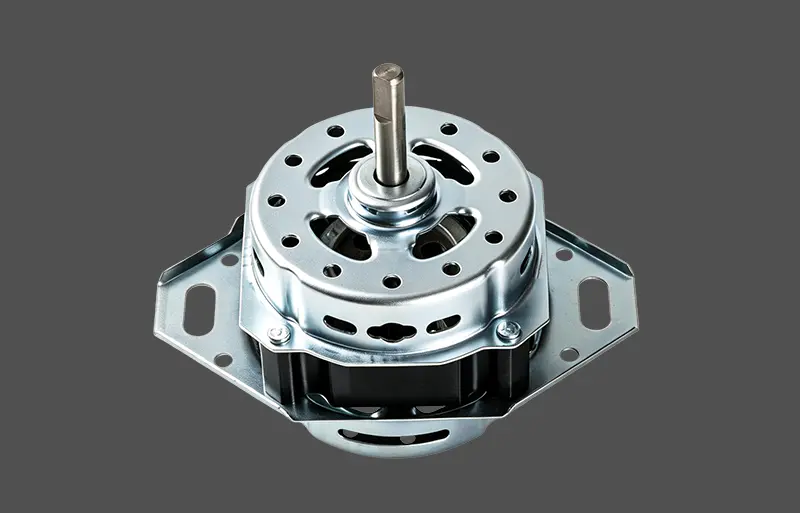
TY004 High-Efficiency Mini Copper Wire Washing Machine Motor
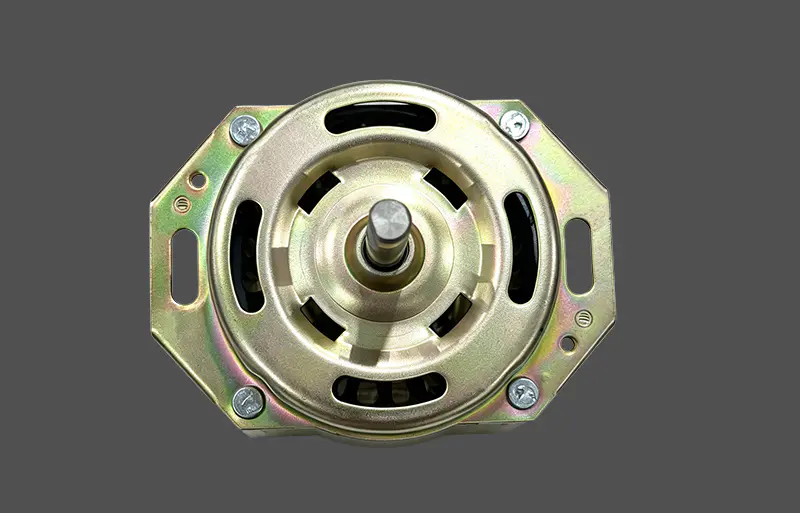
TY005 100% Copper Wire High-Speed Induction Motor
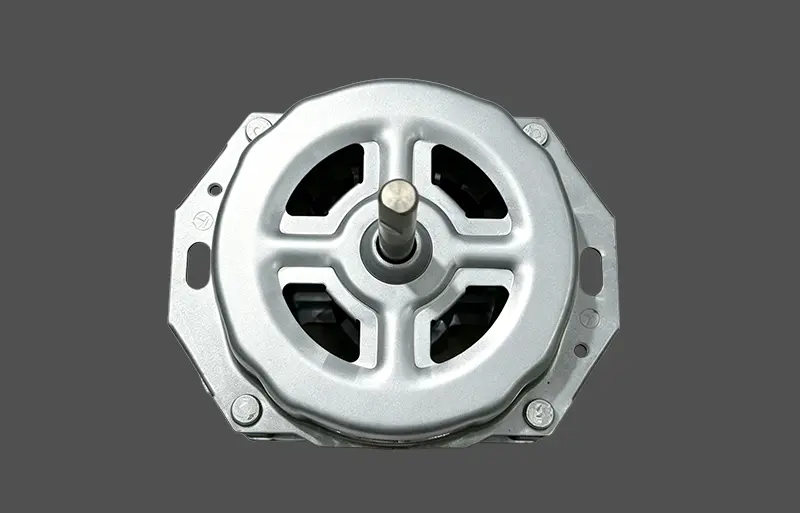
Home Appliance Parts Washing Motor
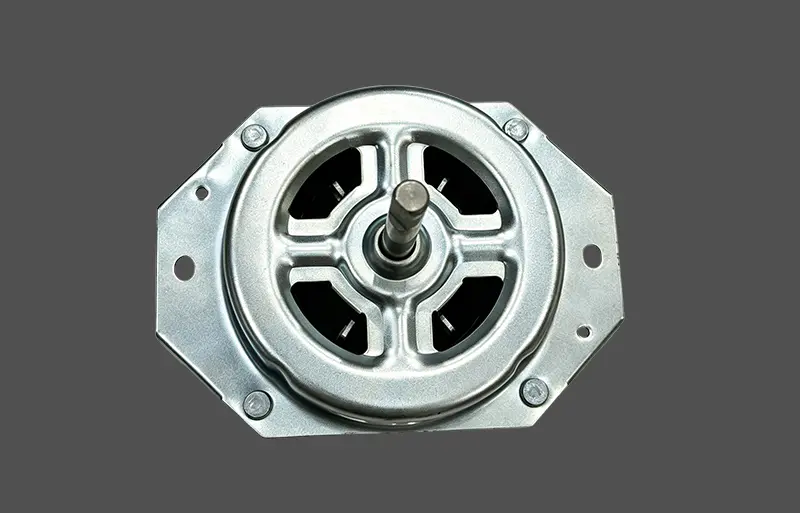
White Color CCA Motor
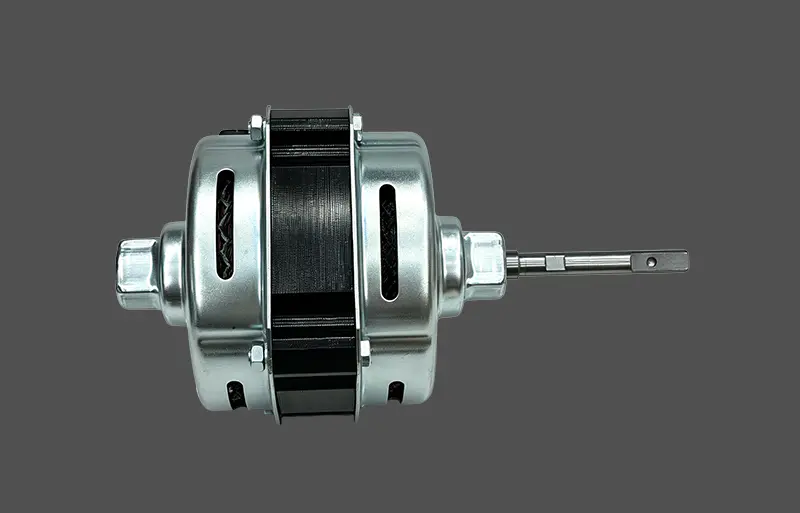
TY-008
Please leave your Email or phone nomber, so we can contact you as soon as possible.
Share


