


A workshop manager once asked us whether a single industrial fan could cool down a 40-square-meter assembly room. The short answer surprised him: a fan will not lower the air temperature in that room, but it can make every worker under the airflow feel 3 to 6°C cooler. If the question is "can an industrial fan cool a room?", the practical answer is that it cools people, and in many workshops that is exactly what matters.
Before choosing a fan, it helps to separate two ideas: reducing the thermometer reading and improving thermal comfort. An industrial fan does the second job well. It moves air across the skin, speeds up sweat evaporation, and destroys the warm boundary layer that surrounds the body. This article explains how that works, which rooms benefit most, and what to check before you buy.
The cooling effect of a fan is not the same as air-conditioning. A fan creates air movement, but it does not remove heat from the room. The air temperature measured by a wall thermometer stays almost unchanged. What changes is the heat loss from your body. When air flows over uncovered skin, it carries away heat and moisture, making you feel cooler even though the room air is the same temperature.
The table below shows how air speed can affect perceived temperature on a hot day with moderate humidity. These are typical values used in comfort studies; the exact figures vary with humidity and clothing.
| Air speed | Air temperature | Perceived temperature | Typical use |
|---|---|---|---|
| 0.2 m/s | 30°C / 86°F | 29°C / 84°F | Still room |
| 1.0 m/s | 30°C / 86°F | 27°C / 81°F | Light desk work |
| 2.5 m/s | 30°C / 86°F | 25°C / 77°F | Industrial workstation |
This mechanism is effective but limited. In high humidity, sweat does not evaporate quickly, so the cooling effect shrinks. That is why fans work better in dry or moderately humid workshops than in coastal areas with saturated air.
To understand how industrial fans compare to ordinary household models, you may want to read our earlier comparison of industrial electric fans and ordinary electric fans.
The phrase "cool a room" can mean two different things. An air conditioner removes heat and moisture from the air, lowering the dry-bulb temperature. An industrial fan does not do that. It cools the occupant by increasing convective and evaporative heat loss from the skin. In an empty room, a fan only mixes the air and adds a tiny amount of motor heat.
For most factories and workshops, the goal is not to cool the whole volume of air. The goal is to keep people comfortable at their workstations. The following cards explain the three parts of that effect.
A thermometer reading in the middle of a room does not drop when a fan runs. The motor adds a small amount of heat, usually below 1°C, so a fan cannot be used to cool an empty sealed room.
Moving air removes heat from the skin by convection. The faster the airflow, the more heat is carried away, until air speed becomes uncomfortable above roughly 3 to 4 m/s.
Sweat turns into vapor and absorbs latent heat from the skin. An industrial fan increases the evaporation rate, which is why it makes workers feel cooler without changing the air temperature.
Room size, fan airflow and air distribution decide the result. A small floor fan can make a single person feel cooler, but it may do nothing for a 300 m2 warehouse. Calculate the air exchange rate before choosing a unit.
The basic formula is simple: ACH = fan airflow (m3/h) divided by room volume (m3). For general industrial cooling, 20 to 40 air changes per hour is a common target. For spot cooling around a workbench, 40 to 60 can be useful. For example, a 100 m2 assembly room with a 4 m ceiling has 400 m3 of air. A mobile fan that delivers 14,000 m3/h creates about 35 air changes per hour, which is usually enough for general machine tenders and assembly workers.
| Fan type | Typical airflow | Best application |
|---|---|---|
| Portable floor fan | 3,000 – 8,000 m3/h | Spot cooling within 3–5 m |
| Mobile high-volume circulation fan | 8,000 – 20,000 m3/h | Cooling zones 5–10 m away |
| Large-scale ceiling fan | 50,000 – 150,000 m3/h | Even coverage over 200–800 m2 |
| Evaporative air cooler | 6,000 – 20,000 m3/h | Lowering actual air temperature in dry climates |
Obstructions such as racks, partitions and parked equipment reduce effective airflow. For this reason, two or three well-placed fans often cool a room better than one extremely large fan in a corner.
An air conditioner cools the air, but it needs a reasonably sealed space. An industrial fan cools the person, and it can work in open, dusty or high-ceiling rooms where an air conditioner would struggle. The table below compares the practical differences.
| Factor | Industrial fan | Air conditioner |
|---|---|---|
| Initial cost | Low | High |
| Energy consumption | 50–200 W | 1,000–3,000 W |
| Installation | Plug in and move | Fixed, requires sealing |
| Cooling effect | Perceived temperature drop | Actual temperature drop |
| Maintenance | Clean blades and motor | Filters, refrigerant, compressor |
| Best for | Occupied work zones | Closed rooms with precise control |
If your room has a large door that opens often, or if workers move between stations, an industrial fan is often the better choice. The maintenance cost stays low, and the fan can be repositioned when the layout changes.
There is one type of industrial fan that can lower actual air temperature: an evaporative cooler. It pulls warm air through a wet pad, and the water absorbs heat as it evaporates. In a dry climate, the outgoing air can be 4 to 10°C cooler than the intake air. This makes it a genuine cooling solution for open garages, packing halls and outdoor work areas.
Evaporative cooling works best when humidity is low. In humid weather, the air is already close to saturation, so evaporation slows down and the temperature drop becomes smaller. The motor still moves a high volume of air, but the "natural air-conditioning" effect is reduced.
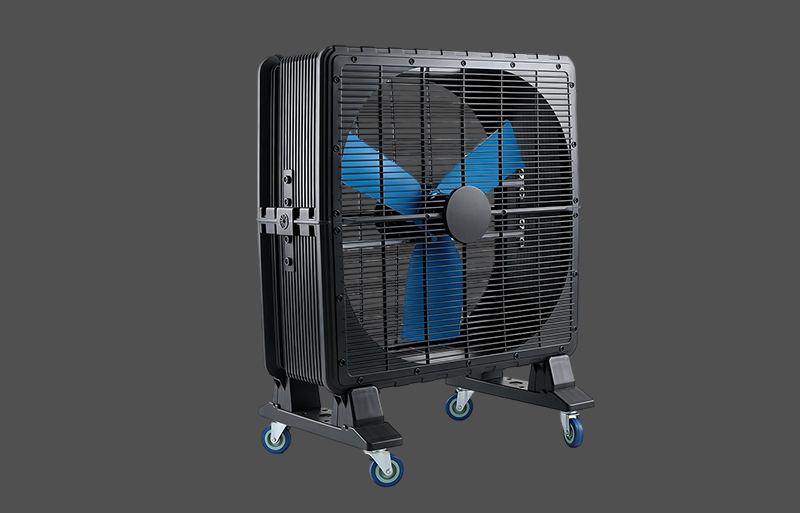 Mobile Industrial Evaporative Air Cooler with EC MotorThis mobile cooler uses an EC motor for energy efficiency and delivers 10,000 m³/h airflow with a 650mm fan. Suitable for large spaces where humidity is low, it offers 7-speed control and easy mobility.View Product →
Our mobile industrial evaporative air cooler uses an EC motor to keep energy consumption low while delivering steady airflow. If you are considering this route, check the water supply, pad quality and fan motor rating, not just the airflow number.
Air movement has to reach people. A fan blowing against a wall or up into a ceiling void wastes energy. The following positioning habits give the best return from a fan.
One of the best setups for a machine shop is a mobile high-volume fan on wheels, moved to the location where workers are busy. That way the cooling effect follows the work activity.
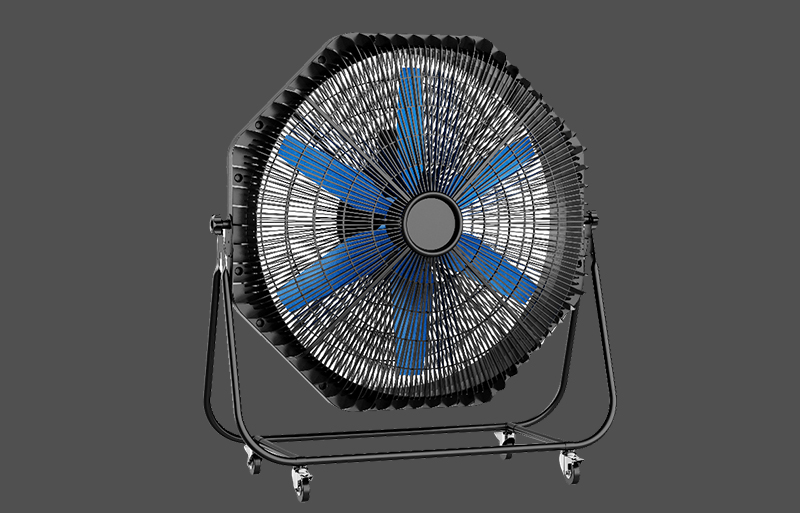 YS-Series Industrial Mobile High-Volume Circulation FanThis mobile fan series features large impellers up to 1250mm and airflow reaching 60 meters, ideal for large open spaces. With EC motors and locking wheels, it provides flexible, energy-efficient cooling for workshops and warehouses.View Product →
For operators who stay in one place, a smaller high-speed fan with a narrower air stream often gives a stronger feeling of cooling than a large fan that spreads air over too wide an area.
From our position as a manufacturer of fan motors since 1993, we can tell you that the motor is the first component to examine. A fan with a weak motor can have a huge blade but poor airflow; a good motor keeps airflow steady for years. Use this checklist when comparing products.
For very large rooms, consider a large-scale industrial fan that moves air across a wide floor area. These fans are effective at preventing heat stratification and maintaining a steady breeze near the ground.
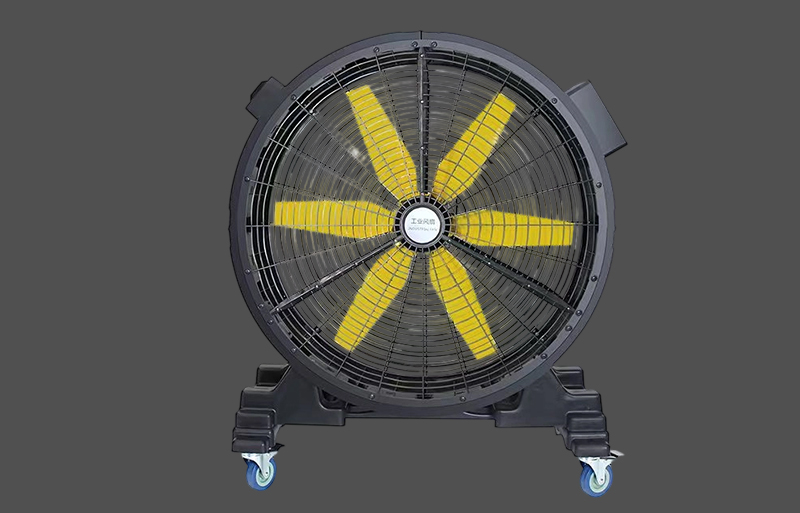 ZP-Series Industrial Cooling Large Scale Fan with MistThis large-scale fan combines powerful airflow with fine mist atomization, lowering temperatures by 5-10°C and covering about 100 square meters. It suits foundries, outdoor venues, and dusty areas needing cooling and dust suppression.View Product →
If you are sourcing for a new building or replacing an old fan, prepare a simple drawing with room dimensions, ceiling height, rack positions and the number of people in each zone. That information makes it easy to choose a fan model instead of guessing.
No. A fan moves air but does not remove heat. It lowers the perceived temperature for people, which is why it feels cooler. To reduce actual air temperature, you need evaporative cooling, air conditioning, or a ventilation system that brings in cooler outdoor air.
Start with room volume and required air changes. For an 8 by 12 m room with a 4 m ceiling, one mobile fan delivering around 14,000 m3/h gives about 36 air changes per hour, which is usually enough for general cooling. For long or blocked rooms, add more fans to keep airflow moving toward people.
Yes, in most cases. A 100 W fan can move air over a work zone, while a typical air conditioner consumes 1–3 kW and also needs sealed windows and ducts. If the goal is occupant comfort rather than temperature control, a fan uses far less energy.
It still moves air, but the perceived cooling effect is smaller because sweat evaporates slowly. In humid climates, high-volume fans are more useful than small floor fans because more air movement partially offsets the humidity. Evaporative coolers are less effective there.
Noise depends on blade design, motor quality, speed and distance. A well-balanced motor and carefully shaped blade can deliver high airflow with moderate noise. Ask for noise data at working distance, not just the motor label.
When you buy an industrial fan, you are buying the motor, blade and housing around it. After more than 30 years of making fan motors, we know that motor quality controls airflow stability, energy efficiency and service life. If you need help matching a fan to a room size, working temperature or power supply, send us the dimensions and ceiling height. You can also explore our electric fan motors to see the motor range behind the products.
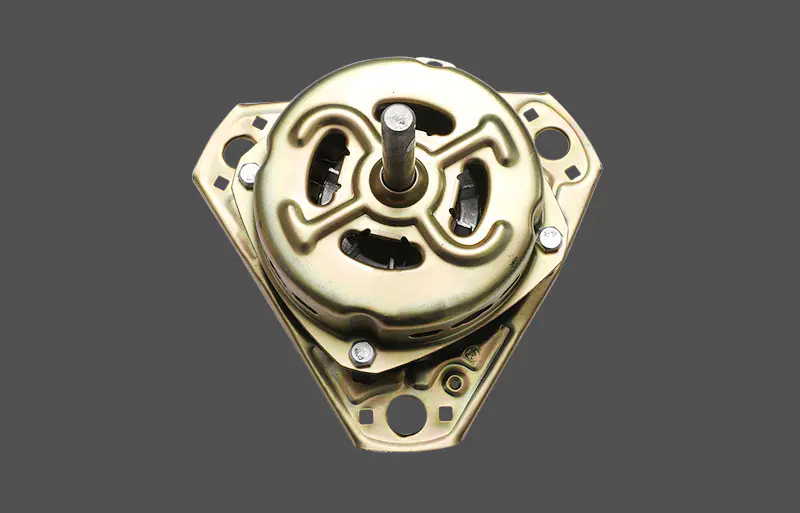
Ty001 Double-Tub Washing Machine Dedicated Motor
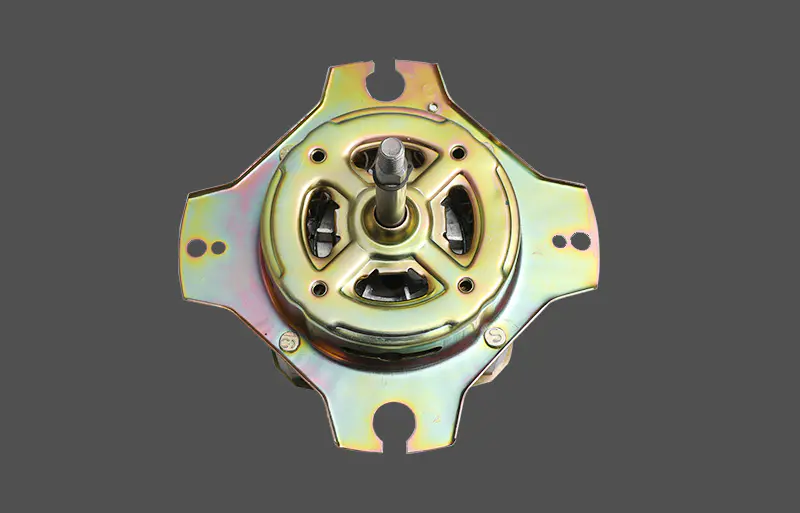
TY002 Powerful & Durable Copper-Wound Washing Machine Motor
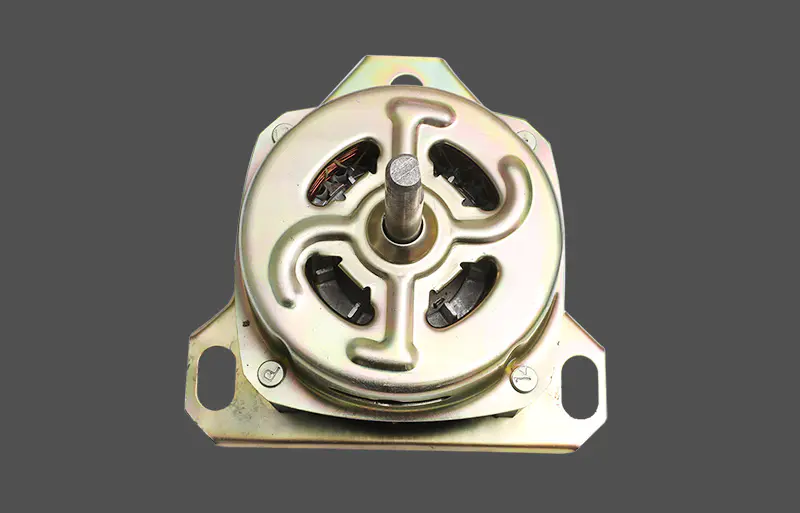
Environmental Cover Washing Machine Motor
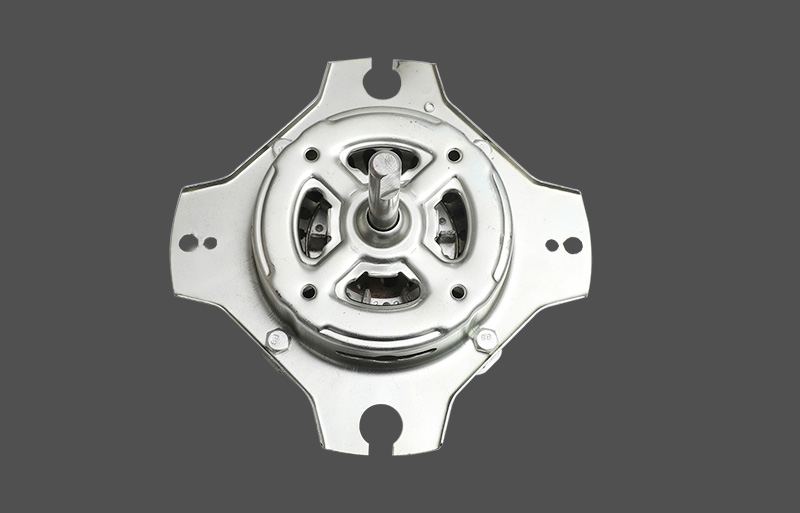
TY004 High-Efficiency Mini Copper Wire Washing Machine Motor
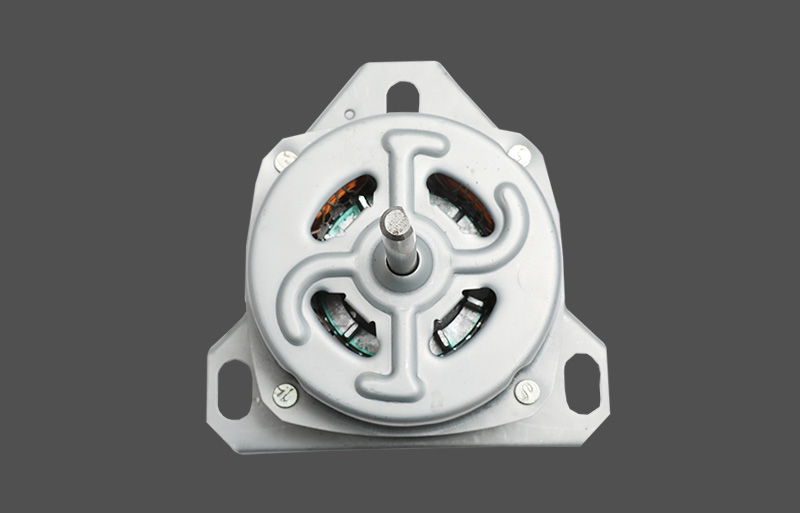
TY005 100% Copper Wire High-Speed Induction Motor
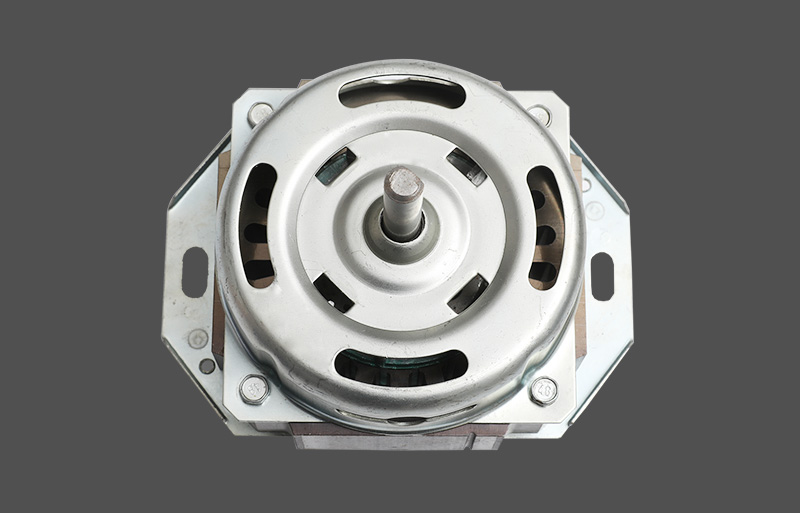
Home Appliance Parts Washing Motor
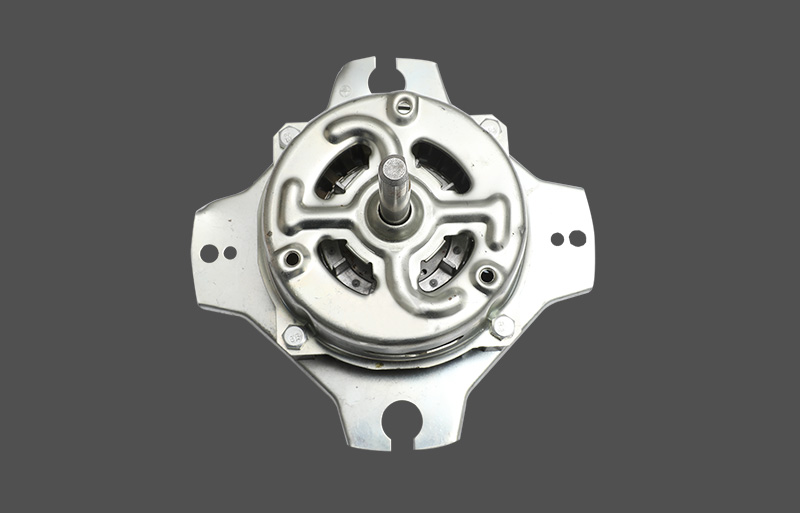
White Color CCA Motor
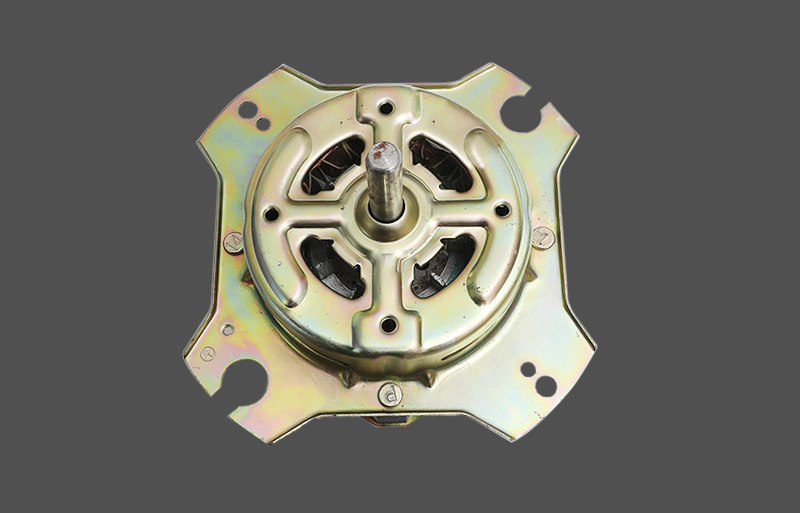
TY-008
Please leave your Email or phone nomber, so we can contact you as soon as possible.
Share


