


A range hood that has become loud, hot or weak usually sends three different signals from the same component group: the motor, its capacitor, the blower wheel and the air path around them. The filter matters, but a clean filter cannot compensate for a motor that is losing speed, a bearing that is grinding, or a winding that is pulling excessive current. The practical conclusion is simple: test motor speed, current and heat before buying a new hood. A range hood motor is often the first part to inspect because it links electrical input to mechanical output. When that link weakens, noise, overheating and low suction appear together or in sequence.
Use a symptom-first approach. Noise points to mechanical contact, imbalance or magnetic hum. Overheating points to airflow restriction, capacitor loss, voltage drop or winding stress. Weak suction points to low impeller speed, duct resistance, leakage or a blocked air path. The three symptoms overlap because a slow motor produces less airflow, runs hotter and may sound rougher as bearings and insulation age. Measure before replacing. A five-minute check of shaft play, capacitor value, current draw and duct resistance often separates a repairable motor from a failed one.
| Symptom | Typical motor-related cause | First check | Practical implication |
|---|---|---|---|
| Low rumble, reduced airflow, warm motor body | Start or run capacitor has drifted; motor cannot reach rated speed | Capacitor capacitance and motor current | Replacing a low-cost capacitor may restore speed before motor replacement is considered |
| Scraping or squealing that rises with speed | Bearing wear, shaft end play or blower wheel contact | Shaft play, wheel clearance and bearing noise | Bearing damage often contaminates the motor; a full motor replacement is safer than lubrication alone |
| Motor hot after short use, smell or thermal cut-out | Restricted cooling air, overloaded winding or wrong-duty motor | Current draw, vent blockage and insulation resistance | Do not keep resetting a thermal protector without finding the heat source |
| Weak suction but normal motor sound | Duct restriction, leakage, dirty impeller or incorrect hood installation | Static pressure, duct route and impeller condition | The motor may be healthy; airflow measurement prevents unnecessary replacement |
A noisy range hood motor is not automatically a failed motor. The sound quality tells you where to look. A dry squeal that changes with speed usually comes from bearings. A rhythmic thump or scraping sound often comes from an unbalanced blower wheel, a loose wheel nut or contact between the wheel and housing. A steady low-frequency hum may be electrical: loose laminations, a failing capacitor, or a motor operating below its designed speed. The first step is to remove the filter and inspect the blower wheel with the power isolated. Spin the wheel by hand. It should turn smoothly with a small, even resistance and no side-to-side play.
Sleeve bearings can tolerate light household use for years, but grease loss and dust ingress increase friction. Ball-bearing motors usually fail more gradually, with a dry whine that becomes a rattle. Check radial play by holding the shaft near the bearing and attempting a gentle side movement. Visible movement, a gritty feel or a mark on the shaft from seal contact indicates wear. Lubrication is rarely a durable repair for a sealed motor. Oil can soften seals, attract dust and mask the problem for a short time. A replacement motor with the correct bearing type and thermal protection is more reliable than reviving a worn shaft.
Grease on the wheel is not only a hygiene issue. Uneven deposits change the wheel balance, especially on centrifugal impellers with many narrow blades. The result is vibration that travels into the hood body and duct. Clean the wheel with a non-aggressive degreaser, dry it fully and refit it with the correct nut torque. Confirm that the wheel sits at the specified height and does not rub the inlet ring. A wheel that has lost a balance clip, cracked a blade or deformed from heat should be replaced. Rebalancing by trial weight is not practical in a residential hood.
A loud 50 Hz or 60 Hz hum with no mechanical rubbing can come from a capacitor that has lost capacitance, causing the motor to run at a poor phase angle. It can also come from loose mounting grommets, a missing rubber foot or a duct that is rigidly connected to the hood. Check the motor mounting screws, the anti-vibration pads and the duct clamp. If the hum remains with the wheel removed, the motor is the source. Measure winding resistance and capacitor value before assuming the winding has failed. A motor that hums but does not start should be disconnected promptly because the start winding can overheat within minutes.
Bearing dryness, seal friction or a worn shaft. Hand-spin the wheel and check for side play. Replace the motor if the shaft moves or the bearing feels rough.
Blower wheel imbalance, debris inside the wheel or a loose retaining nut. Clean, dry and refit the wheel before condemning the motor.
Low capacitance, voltage drop, loose laminations or a binding rotor. Compare capacitor value and current draw against the motor label.
 Ty-056 Cooker Hood Motor for Household Range HoodsTy-056 is a household range hood motor with low vibration, low noise, high reliability and stable speed; dimensions and performance can be customized.View Product →
Range hood motors are designed to run in a warm, grease-laden air stream, but they are not designed to cook themselves. A motor that becomes too hot to touch after a few minutes has either lost cooling airflow, is drawing more current than its label allows, or is operating in a duty cycle it was not built for. The thermal protector is a safety device, not a normal operating control. Repeated cut-outs mean the motor is being stressed. Stop using the hood, isolate the power and check the air path, capacitor, voltage and winding condition in that order.
Many shaded-pole and small AC motors run warm at the shell; a surface temperature rise of several tens of degrees can be normal depending on insulation class and ambient conditions. Abnormal heat usually comes with a change in sound, smell or performance. If the motor body is hot while the blower wheel is clean and the duct is clear, measure current. A current reading above the nameplate value points to a winding fault, a shorted turn, a wrong capacitor or a mechanical drag. A current reading well below the nameplate value can indicate a capacitor problem or an open winding phase. Both conditions require correction.
A blocked duct, crushed flexible hose, closed external flap or undersized outlet reduces airflow through the hood and across the motor. The impeller keeps adding energy to the air, but the air cannot leave. Heat builds up, the motor runs hotter and suction at the cooktop falls. Check the entire route: filter, inlet ring, wheel cavity, duct bends, wall cap and roof cap. Flexible duct with sharp bends is a common culprit. Keep the duct as short and straight as the installation allows, and seal joints without reducing the internal diameter. A motor replacement will not fix a duct that cannot move the required air volume.
Permanent-split capacitor motors depend on the capacitor to create a rotating field. When capacitance falls, the motor may still turn, but it draws more current and produces less torque. The result is heat without useful airflow. Use a capacitance meter; do not rely only on a visual inspection. A bulged capacitor is obviously suspect, but a capacitor can fail without visible damage. Voltage drop is another cause. Long extensions, loose terminals and undersized wiring reduce terminal voltage, forcing the motor to draw more current for the same load. Tighten terminals, verify supply voltage under load and replace damaged cords.
Kitchen moisture and cleaning water can enter the motor cavity over time. A motor that trips a residual current device or shows low insulation resistance should not be returned to service without a proper dry-out and insulation test. Winding insulation degrades with heat, grease and moisture. If the motor smells burnt or shows a dark winding, replace it rather than cleaning it. A motor with a damaged winding can be a shock and fire risk. The replacement should match the original voltage, frequency, speed, rotation, shaft dimensions and mounting configuration, and it should include the same thermal protection.
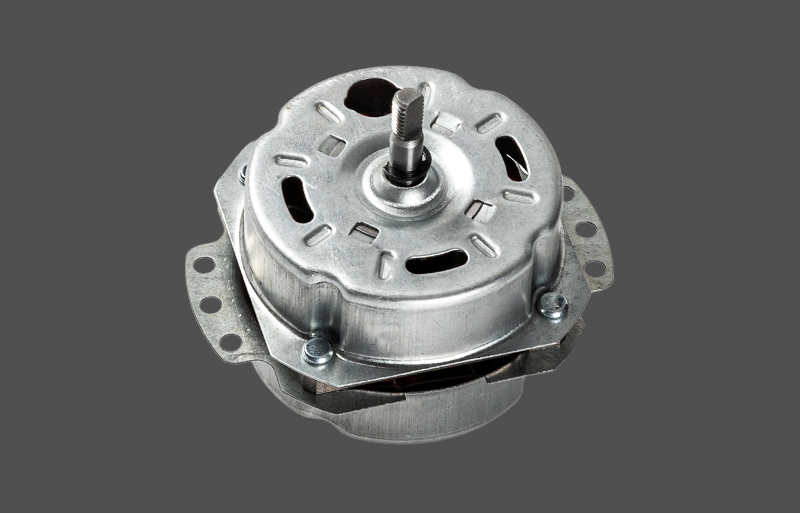 Ty-062 Cooker Hood Motor Model in SeriesTy-062 is a cooker hood motor model in the Motor For Cooker Hood Series; replacement should match the original voltage, speed, shaft and mounting.View Product →
Weak suction is the symptom most often misdiagnosed as a bad motor. The motor may be running at full speed while the hood still fails to capture smoke. Airflow depends on fan curve, static pressure, duct diameter, duct length, filter resistance and installation height. A range hood motor can be healthy and still deliver poor capture because the air path is restricted. Start with the filter and duct, then move to motor speed. The article on the motor as the heart of the range hood explains why the motor and impeller must be matched to the hood body; a larger motor does not automatically produce stronger suction if the inlet and outlet cannot support the flow.
Aluminum mesh filters, baffle filters and grease cups all add resistance when loaded. A filter that looks dry can still be coated with a sticky film that traps air. Clean or replace it according to the manufacturer's instructions and recheck capture. Also inspect the inlet ring and the space between the wheel and housing. Grease can bridge the clearance, causing turbulence and reducing flow. A centrifugal blower with partially blocked blades may sound normal while moving much less air. Clean the wheel, not just the filter, and confirm that the damper flap opens freely when the hood runs.
Duct size is a common limitation. A hood designed for a 150 mm duct will lose performance if it is adapted to a long 100 mm flexible hose. Every bend, corrugation and reduction adds static pressure. A wall cap with a small free area, a bird guard or a closed backdraft flap can also cut flow. Check the outdoor termination while the hood runs. If the flap barely opens, the duct is restricted or the fan is already near its pressure limit. Shorten the duct, increase the diameter where possible, replace crushed flexible sections with smooth rigid duct and keep bends gradual.
If the duct is clear and the wheel is clean, compare the motor's actual speed with its label. A motor that turns slowly may have a failed capacitor, a shorted turn or a bad speed tap. On multi-speed hoods, a failed high-speed tap can make the hood feel weak even though low speed works. Listen for a change in pitch when switching speeds. If speed does not change, check the switch, wiring and motor taps. A clamp meter reading can confirm whether the motor is drawing normal current. A slow motor with low current often points to a capacitor or supply problem; a slow motor with high current may be mechanically binding.
Air follows the path of least resistance. If the duct joint inside the cabinet is loose, some air returns to the kitchen instead of leaving the building. Seal every joint with foil tape, not screws alone. Confirm that the hood is set at the recommended height above the cooktop and that the capture area is not blocked by cabinets. Recirculating hoods use a different motor and filter arrangement; they cannot be expected to remove smoke in the same way as ducted models. If the hood has always been weak, the issue may be a mismatch between hood size, motor power and kitchen layout rather than a new fault.
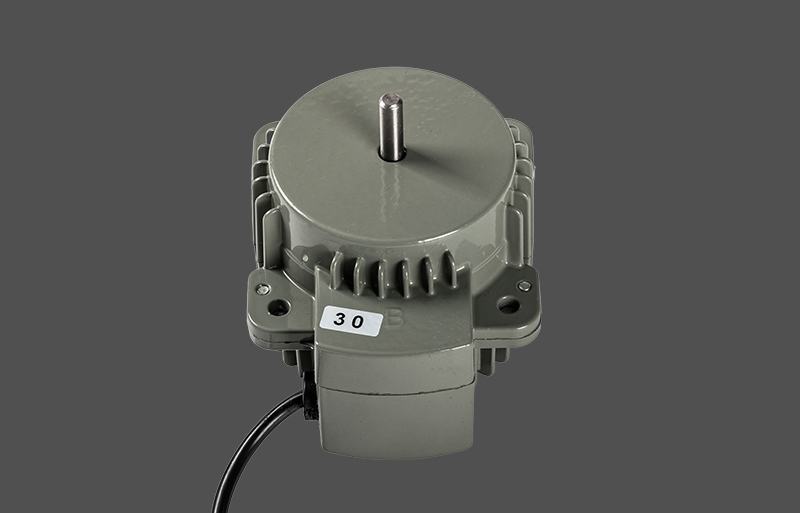 Ty-066 Cooker Hood Motor for Household Range HoodsTy-066 is a household range hood motor with low vibration, low noise, high reliability and stable speed; dimensions and performance can be customized.View Product →
Work from safe and simple to invasive. Isolate power before touching the motor or wheel. Confirm that the capacitor is discharged. Then follow a repeatable sequence: visual inspection, hand-spin, capacitor check, voltage and current measurement, airflow check and insulation test. Record each result. A single reading can mislead, but a set of readings shows whether the motor is electrically sound, mechanically free and thermally stable. The table below gives typical field targets; always use the motor nameplate and hood manufacturer's data as the final reference.
| Check | Method | Expected condition | Action if outside condition |
|---|---|---|---|
| Shaft freedom | Hand-spin wheel with power off | Smooth rotation, no rubbing, minimal side play | Inspect bearing, wheel and housing; replace motor if shaft is loose |
| Capacitor | Capacitance meter after discharge | Within the tolerance marked on the capacitor | Replace with the same capacitance and voltage rating |
| Supply voltage | Measure at motor terminals under load | Within the range stated on the nameplate | Check wiring, terminals and supply circuit |
| Current draw | Clamp meter on one supply conductor | At or below nameplate current | Investigate binding, capacitor, winding or wrong voltage |
| Airflow | Smoke or tissue test at inlet and outlet | Strong capture and free flap movement | Clean filter and wheel; check duct and termination |
| Insulation | Insulation resistance test where permitted | High resistance to ground | Dry and retest; replace if low or unstable |
The repair decision should be based on the failed part, not only on the age of the hood. A capacitor, speed switch or blower wheel is a low-cost repair when the motor is otherwise sound. Bearing noise, burnt windings, low insulation resistance and a scored shaft call for motor replacement. If the motor is obsolete, the safer path may be a complete hood replacement because mounting, impeller and thermal protection are matched as a system. Do not fit a higher-speed motor to a hood that was not designed for it. Increased speed raises airflow only if the duct can handle it; otherwise it increases noise and heat.
Failed capacitor, dirty wheel, loose wheel nut, damaged switch, blocked duct or a misadjusted damper. These faults can be corrected without opening the motor.
Rough bearing, shaft play, burnt smell, dark winding, repeated thermal cut-out or low insulation resistance. A sealed motor with internal damage is not a reliable field repair.
Obsolete motor, cracked housing, severe grease damage or a duct route that cannot be corrected. A new hood may cost less than a custom motor and labor.
When ordering a replacement, use the full motor label and a photo of the shaft, mounting plate and connector. Shaft diameter, shaft length, flat position, rotation direction, mounting hole spacing, voltage, frequency, speed and capacitor rating all matter. A motor that looks similar but rotates the wrong way will move little or no air. A motor with the wrong duty rating may overheat in continuous use. Confirm that the replacement has the same thermal protector and insulation class. If the original motor has no label, measure the shaft and mounting dimensions and match the impeller load rather than choosing by physical size alone.
Kitchen air carries grease, moisture and heat. A replacement motor should be selected for that environment, not only for voltage and speed. Look for a motor with sealed or shielded bearings, Class B or better insulation where the original specifies it, and a thermal protector positioned to sense winding temperature. The mounting must isolate vibration. Rubber grommets, proper screw torque and a square seating surface reduce noise. The blower wheel should be cleaned or replaced at the same time because an old unbalanced wheel can damage the new motor's bearings. Check rotation before final assembly. A backward-running impeller can produce weak suction that looks like a motor fault.
Voltage, frequency, speed, capacitor value and rotation must match the hood design. Confirm the supply circuit and switch taps before installation.
Shaft diameter, length, flat, thread, mounting plate and wheel clearance determine fit. Small dimensional differences cause vibration and contact.
Duty cycle and thermal protection must suit continuous kitchen use. A motor rated for short-time operation will overheat in a range hood.
After installation, run the hood without the filter for a short check, then refit the filter and confirm airflow at each speed. Listen for rubbing at low speed, where bearing noise is easiest to detect. Measure current and compare it with the nameplate. If the motor is quieter but suction is still weak, revisit the duct and termination. If the motor runs hotter than the original, stop and check rotation, capacitor and voltage. A correct motor should restore the original airflow and sound level, not simply turn on.
Partial airflow can still cool the motor enough to keep it running while heat builds in the winding. Common causes are a restricted duct, a dirty blower wheel, a capacitor that has lost value, or a motor running on the wrong speed tap. Measure current and check the air path before replacing the motor. If the shell becomes too hot to touch quickly, stop using the hood.
No. A loose blower wheel, a foreign object, a dry bearing or a vibrating mounting grommet can create noise while the motor remains electrically sound. Remove the wheel and hand-spin the shaft. If the noise disappears with the wheel removed, the problem is in the wheel, mounting or alignment. If the shaft feels rough, the motor bearing is worn.
Sealed bearings are not designed for field lubrication. Adding oil can damage seals, attract dust and provide only temporary relief. If the bearing is noisy and the shaft has play, replace the motor. Lubrication is more reasonable on some accessible sleeve-bearing motors, but only when the manufacturer provides a lubricant type and interval.
The duct may be near its pressure limit. On high speed, the motor draws more current and the impeller produces more static pressure, but a restrictive duct prevents the extra airflow from leaving. The motor sounds strained because it is working against a blocked system. Check the duct diameter, bends, wall cap and backdraft flap before assuming the motor is weak.
Yes. A capacitor that has lost capacitance reduces starting and running torque. The motor may turn slowly, draw higher current and produce less airflow, so heat rises while suction falls. A capacitance meter gives a clear answer. Replace the capacitor with the same capacitance, voltage rating and terminal orientation.
Run the hood with the filter removed and observe the blower wheel speed. Then check the outdoor flap while the hood runs. If the wheel spins strongly but the flap barely opens, the duct is restricted. If the wheel spins slowly, the motor or capacitor is suspect. A smoke test at the inlet can also show whether capture improves after cleaning.
Replace the wheel if it is cracked, deformed, missing balance clips or heavily coated with hard grease. A new motor paired with an unbalanced wheel can fail early. If the wheel is clean and undamaged, reuse it after checking fit and balance. Always confirm wheel clearance after reassembly.
Isolate power and check that the blower wheel turns freely. A binding wheel or foreign object can prevent starting. Then check the capacitor and start circuit. A motor that hums without rotating can overheat its start winding quickly, so do not leave it powered while troubleshooting. If the shaft is free and the capacitor is good, the winding or switch may be faulty.
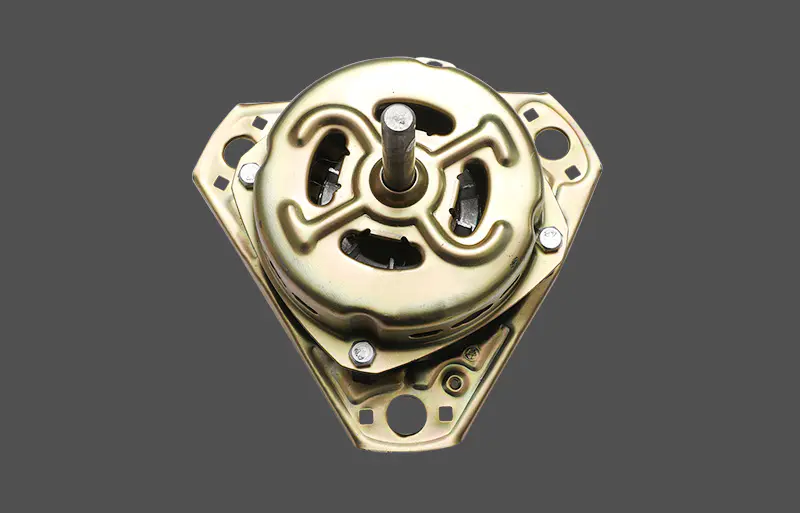
Ty001 Double-Tub Washing Machine Dedicated Motor
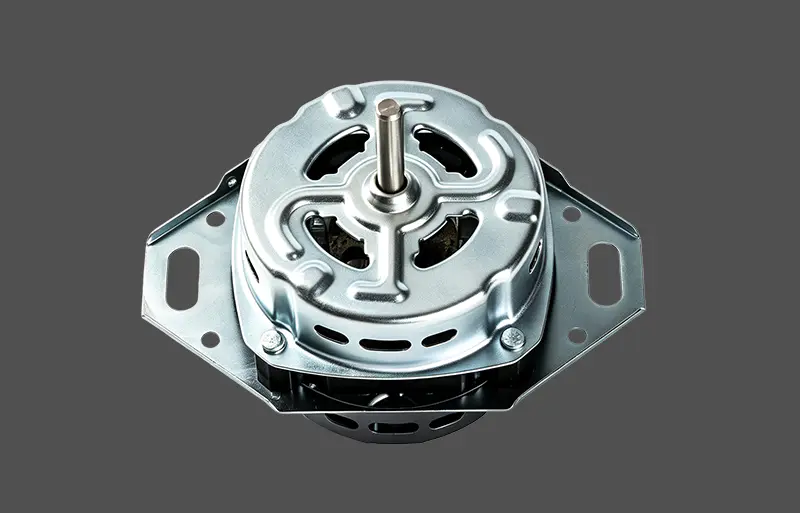
TY002 Powerful & Durable Copper-Wound Washing Machine Motor
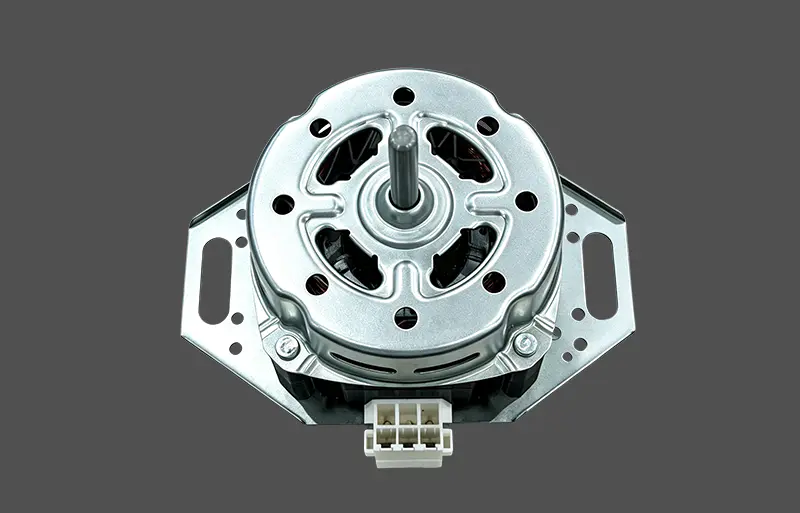
Environmental Cover Washing Machine Motor
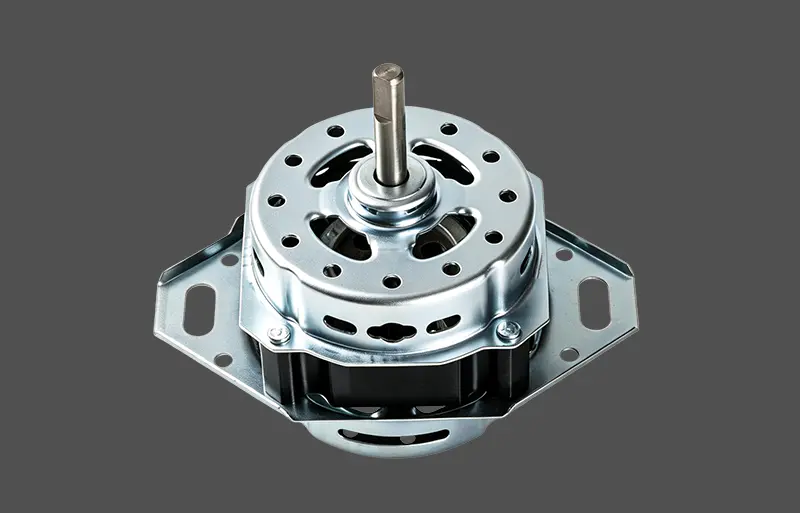
TY004 High-Efficiency Mini Copper Wire Washing Machine Motor
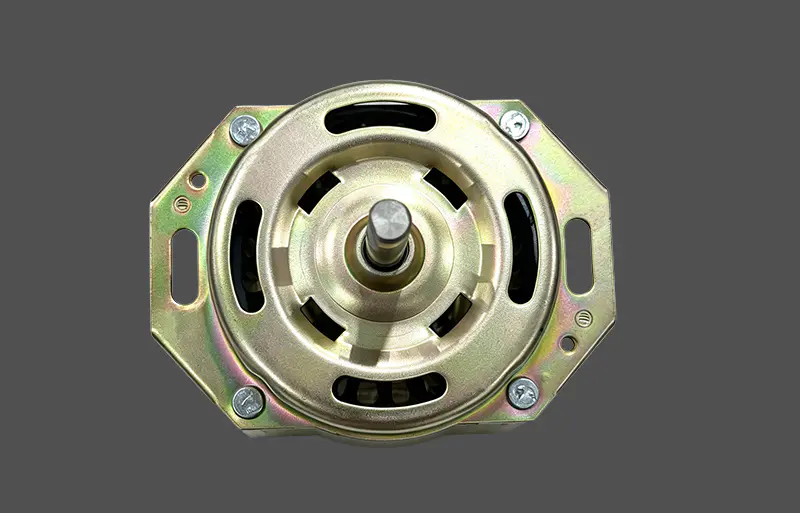
TY005 100% Copper Wire High-Speed Induction Motor
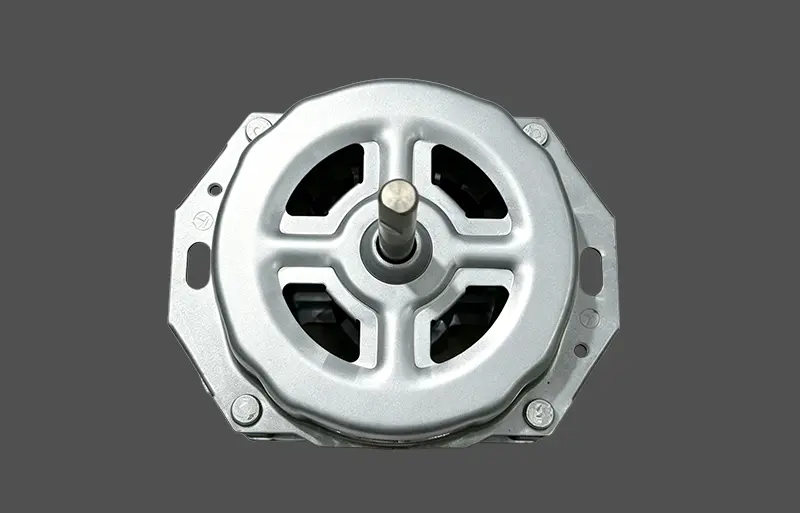
Home Appliance Parts Washing Motor
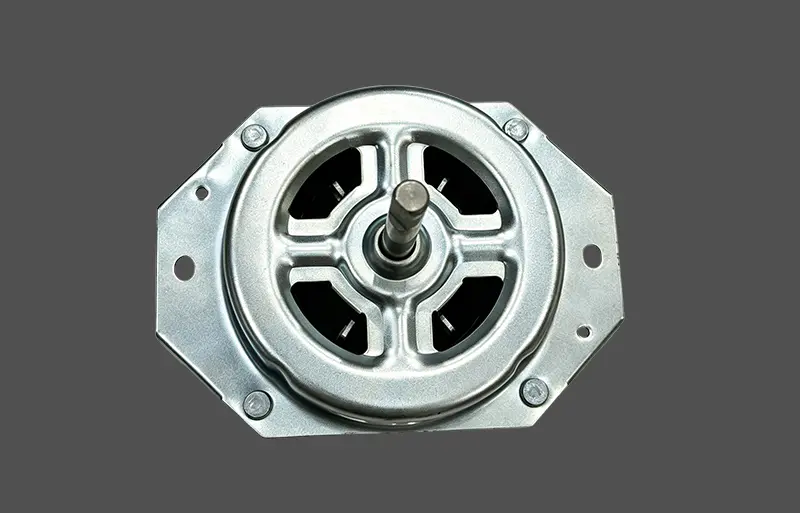
White Color CCA Motor
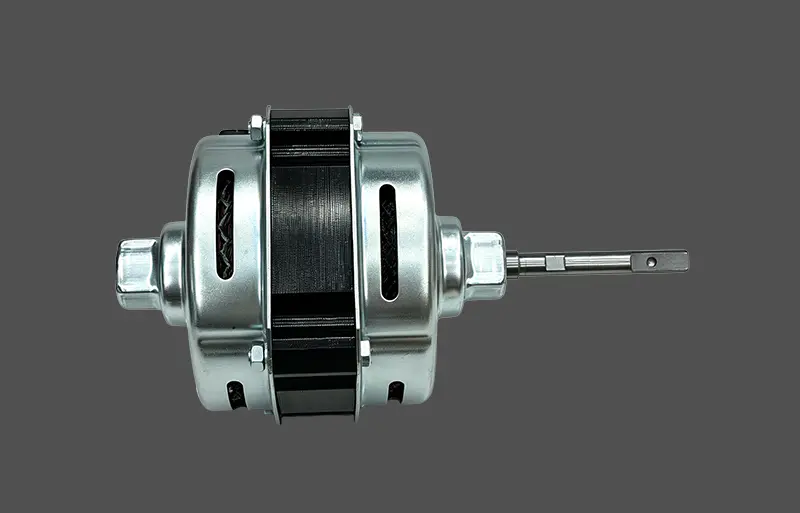
TY-008
Please leave your Email or phone nomber, so we can contact you as soon as possible.
Share


