


Your fan motor was running fine yesterday. Today it hums but the blades will not turn, or it spins slowly with a grinding noise, or it simply will not start at all. Before you buy a replacement, it pays to understand what causes a fan motor to fail in the first place.
Most fan motor failures are not sudden. They follow a predictable sequence: one component degrades gradually, a bearing loses its grease, a capacitor loses its capacitance, or insulation weakens under heat, until the motor finally stops. A typical single-phase fan motor has four critical parts: the rotor and stator, the bearings, the copper windings, and the auxiliary components (run capacitor and thermal fuse). Any one of these can fail, but three causes dominate: lubrication loss, capacitor degradation, and overheating.
For a broader overview of failure patterns across different fan types, see our earlier guide on common fan motor failures.
The seven causes below cover most failures in household fans, air conditioner condenser units, and ventilation systems. Each entry follows the same structure: why the part fails, the symptoms you will notice, how to check it, and what to do about it.
Bearings are the most mechanically stressed component in a fan motor. They support the shaft and keep the rotor centered while it spins thousands of times per minute. Over time, the grease inside them oxidizes, thickens, or evaporates. Once lubrication is gone, metal rubs against metal, and the shaft becomes increasingly hard to turn.
Symptoms: The motor hums but the fan blades do not move, or they rotate very slowly. You may hear a scraping, rumbling, or squealing noise during operation. The motor housing may feel unusually hot near the bearing area.
Check: Disconnect the fan from power, then try to spin the blades by hand. A healthy fan spins freely with little resistance. If the shaft resists rotation or feels gritty, the bearing is worn. Also try pushing and pulling the shaft along its axis; excessive play indicates bearing wear.
Fix: Adding a few drops of light machine oil to a lubrication port can temporarily restore movement, but this is rarely a permanent repair. Once a bearing is worn, the noise and resistance return quickly. For a household fan, replacing the motor is often more economical than replacing the bearing. If you need a direct swap, browse replacement oscillating fan motors designed for this exact application.
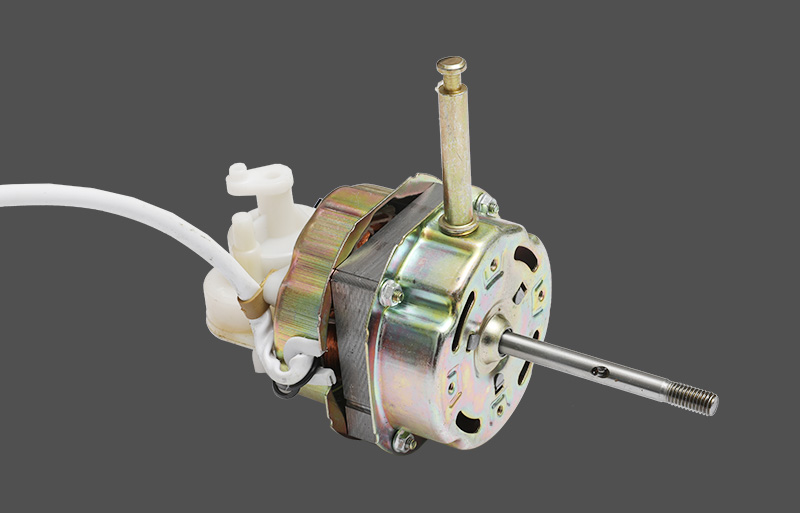 Standing Fan Motor Manufacturers, Wall Fan Motor FactoryShengzhou Tianyi Electric Appliance Co., Ltd. is China Standing Fan Motor Manufacturers and Wall Fan Motor Factory, offer Custom Motor Fo...View Product →
Single-phase induction motors use a run capacitor to create the phase shift needed for startup torque and efficient operation. The capacitor's internal dielectric degrades under constant electrical stress and heat, so its capacitance drifts downward over years of service. A capacitor can also fail abruptly after a voltage spike.
Symptoms: The motor hums, and the shaft can be turned freely by hand, yet the motor will not start on its own. Or the motor starts very slowly and runs at noticeably low speed. In some cases the capacitor case looks bulged or leaks fluid at the seal.
Check: Disconnect the motor from power, then discharge the capacitor by shorting its terminals with an insulated screwdriver. Use a multimeter with capacitance mode to compare the measured value with the rating printed on the capacitor case. A reading more than 10 to 15 percent below spec means replacement is needed.
Fix: Replace the capacitor with one of the same capacitance and voltage rating. Capacitors are inexpensive, and this is one of the few fan motor failures you can repair in minutes. Keep in mind that failure causes rank differently across applications. For a dedicated breakdown, see the most common reason for ventilator motor failure.
Heat is the silent killer of fan motors. Winding insulation has a rated temperature class, and its useful life roughly halves for every 10°C increase above the rated operating temperature. Common heat sources include blocked air intakes, a dusty fan blade that increases load, operation in direct sunlight or an enclosed space, and many continuous hours of high-speed running.
When insulation finally breaks down, the windings can short against each other or the stator core, producing a burned-out motor that must be replaced.
Symptoms: The motor gets excessively hot to the touch, smells like burning varnish, or trips its thermal protection repeatedly before failing completely.
Prevention: Keep the air inlet and outlet clear, clean the blades and grille regularly, and avoid running the fan in confined spaces or near heat sources. In kitchens, where exhaust fans face high heat and grease, a motor designed for that duty cycle matters. If you are selecting a replacement for such an environment, the exhaust fan motor series for demanding environments is worth reviewing.
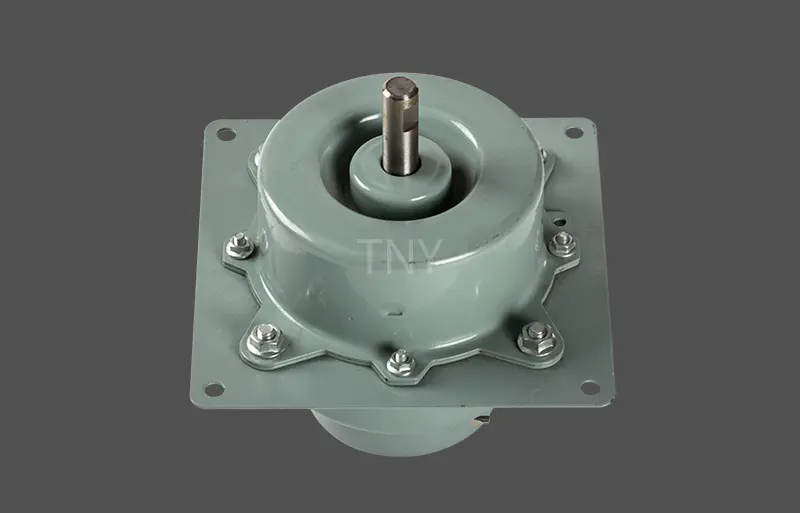 Custom Ventilator Motor factory, ManufacturersShengzhou Tianyi Electric Appliance Co., Ltd is China Ventilator Motor Manufacturers and Ventilator Motor Factory, supply Custom Ventilat...View Product →
Both undervoltage and overvoltage damage fan motors. Low voltage increases current draw, which overheats the windings. High voltage or voltage spikes can puncture insulation and shorten capacitor life. Loose connections and oxidized terminals add resistance, creating localized heat at the wiring point.
Symptoms: The motor repeatedly burns out the same component, such as the capacitor or the winding. It may run erratically, speed up and slow down, or emit a burning smell from the terminal area.
Check: Measure the supply voltage at the motor terminals while the motor is running. Look for loose wire connections, darkened terminals, or a burnt odor near the junction box. Verify that the motor's rated voltage matches your supply.
Fix: Tighten connections, replace damaged wiring, and use a surge protector or stabilizer in areas with unstable power. For air conditioner outdoor units, also inspect the contactor, since worn contacts cause voltage drop and arcing.
Water and motor windings do not mix. When water enters the motor, insulation resistance drops sharply, which can cause leakage current, short circuits, and corrosion of the shaft and bearings. This is especially common in outdoor condenser fan motors exposed to rainstorms, and in motors that get hosed down while cleaning equipment.
Symptoms: The motor trips the circuit breaker or ground fault circuit interrupter (GFCI) when power is applied. You might hear a faint buzzing or sizzling sound, or notice rust around the shaft and end shields. An insulation resistance test below 1 MΩ is a clear warning.
Check: Disconnect the motor and measure insulation resistance between each winding lead and the motor casing. Inspect the housing for cracks, missing gaskets, or a blocked drain hole.
Fix: If moisture damage is caught early, drying the motor in a warm, ventilated area may restore function, but corrosion often remains. A motor that has been heavily water-damaged should be replaced. Outdoor units, in particular, benefit from a motor with better sealing, so review the air conditioner fan motor options designed with outdoor service in mind.
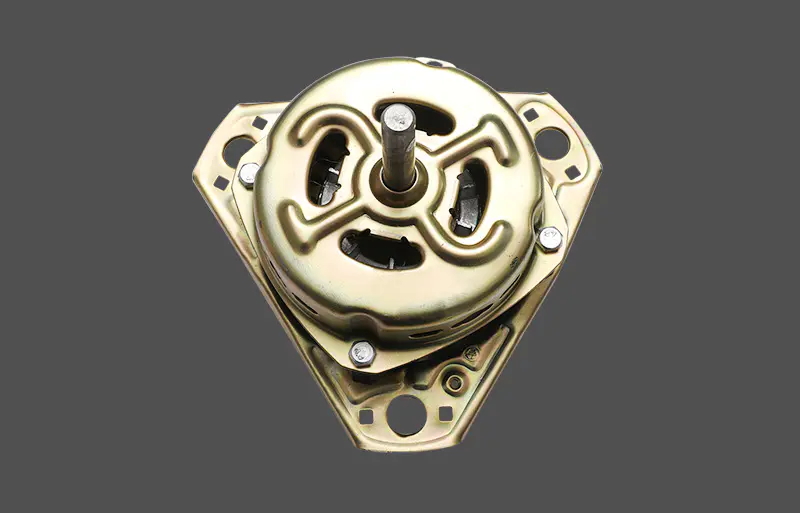 Custom Air Conditioner Motor Factory, ManufacturersAs China Air Conditioner Motor Manufacturers and Custom Factory, Shengzhou Tianyi Electric Appliance Co., Ltd provides types of Air Condi...View Product →
The thermal fuse, also called a thermal cutoff, is a one-time safety device embedded in the motor winding. When winding temperature exceeds its rated threshold, the fuse blows open and interrupts the circuit permanently, preventing a potential fire. Unlike a resettable thermal switch, a blown fuse cannot be reset; it must be replaced.
The important point is that a blown fuse is a symptom, not the root cause. It fired because the motor overheated at some point. If you replace the fuse without finding out why the motor overheated, the new fuse will eventually blow too.
Symptoms: The motor is completely dead, with no humming, no heat, and no movement. This is the classic no-response failure.
Check: With the motor disconnected, use a multimeter in continuity mode across the thermal fuse leads. An open circuit confirms the fuse is blown. Then investigate the overheating source: blocked airflow, a seized bearing, an overloading condition, or a failing capacitor that forced excessive current.
For a closer look at how this safety component is built into motors, read about the thermal protection design in standing fan motors.
Why do some fan motors last ten years while others fail in two? The answer often comes down to component quality. As a motor manufacturer with more than three decades of production experience, we see the same pattern repeatedly: lower-grade bearings, aluminum windings instead of copper, weak housing seals, and poor rotor balancing all shorten service life.
Corrosion also plays a role even without direct water exposure. Humid climates attack exposed shafts and bearing journals, and salt-laden air near coastlines accelerates the damage. Motors without sealed bearings or protective coatings simply degrade faster.
When choosing a replacement, the visible price difference reflects real material differences. A motor with ball bearings, copper windings, and a properly sealed housing costs more upfront, but it will typically deliver far more operating hours than a budget unit with sleeve bearings and aluminum wire.
Work through this table when your fan stops working. It maps symptoms to the likely cause and tells you what to check next. Always disconnect the fan from power before inspecting anything.
| Symptom | Likely cause | What to check |
|---|---|---|
| No sound, no movement | Power supply, switch, or thermal fuse | Test the outlet, switch, and fuse continuity with a multimeter |
| Hums but shaft will not turn | Seized bearing | Try rotating the shaft by hand; lubricate or replace the motor |
| Hums but shaft turns freely | Failed run capacitor | Discharge and measure capacitance with a multimeter |
| Runs slow and runs hot | Weak capacitor, low voltage, or clogged airflow | Check capacitance, supply voltage, and air passages |
| Runs with loud noise or vibration | Worn bearing, bent shaft, or unbalanced blade | Inspect shaft play, blade balance, and foreign objects |
| Trips the breaker or GFCI | Moisture ingress or winding insulation breakdown | Measure insulation resistance to ground |
This decision list is intentionally short. If the check points to a bearing or capacitor problem, you can often repair it cheaply. If it points to winding damage or moisture ingress, a replacement motor is usually the safer and more economical choice.
Preventive maintenance is the cheapest way to avoid an early failure. Most fan motors fail from neglect, not from reaching a theoretical lifespan. A simple seasonal routine makes a measurable difference:
These steps cost little time and can add years to a motor's service life.
So what is the most practical answer when your fan motor fails? For the three low-cost failures, a bad capacitor, a blown thermal fuse, or a dry bearing, a straightforward repair is often worth trying. The parts are inexpensive, and the repair takes less than an hour if you have basic tools and a multimeter.
For a burned winding, a seized bearing with shaft damage, or visible corrosion from moisture ingress, replacement is the smarter decision. A motor with these failures will keep causing problems even if repaired.
Above all, follow this rule: find the cause before replacing the motor. Installing a new motor on the same circuit, with the same airflow blockage, or in the same damp location is just a timer until the next failure. Identify the root cause, eliminate it, and the replacement motor will serve you for many seasons.
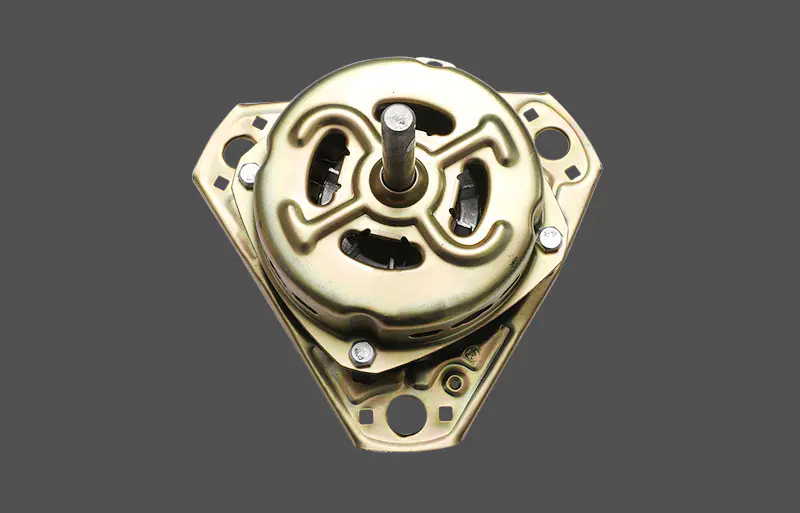
Ty001 Double-Tub Washing Machine Dedicated Motor
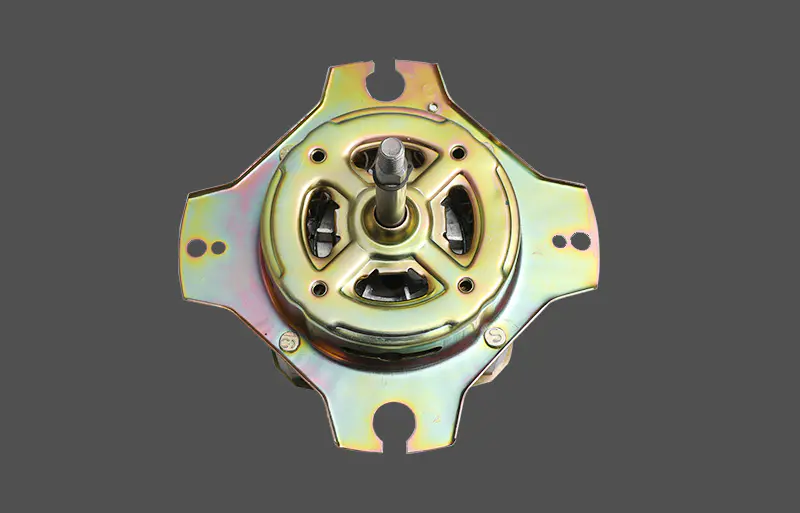
TY002 Powerful & Durable Copper-Wound Washing Machine Motor
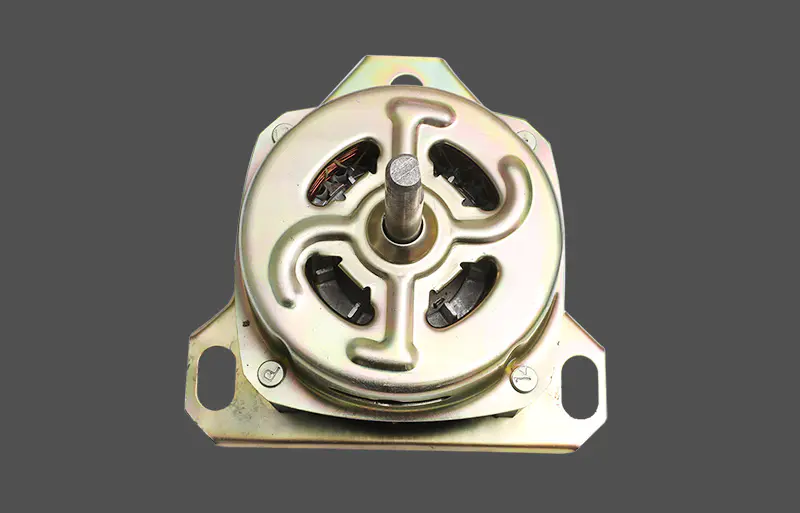
Environmental Cover Washing Machine Motor
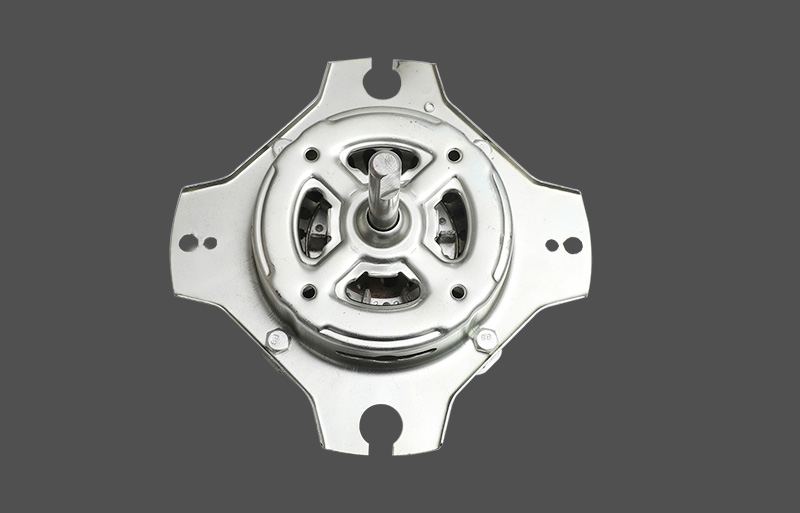
TY004 High-Efficiency Mini Copper Wire Washing Machine Motor
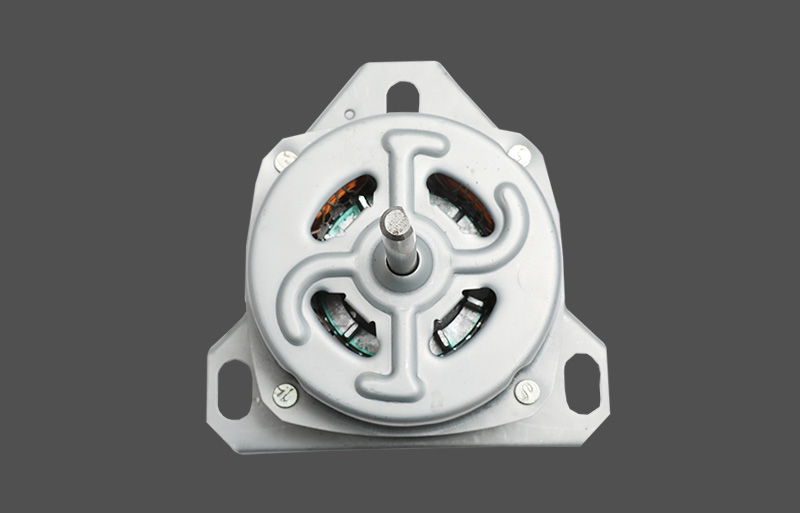
TY005 100% Copper Wire High-Speed Induction Motor
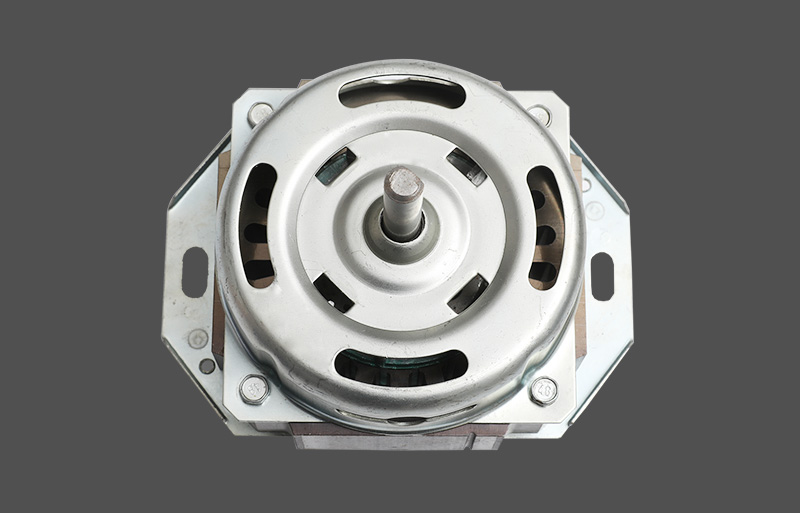
Home Appliance Parts Washing Motor
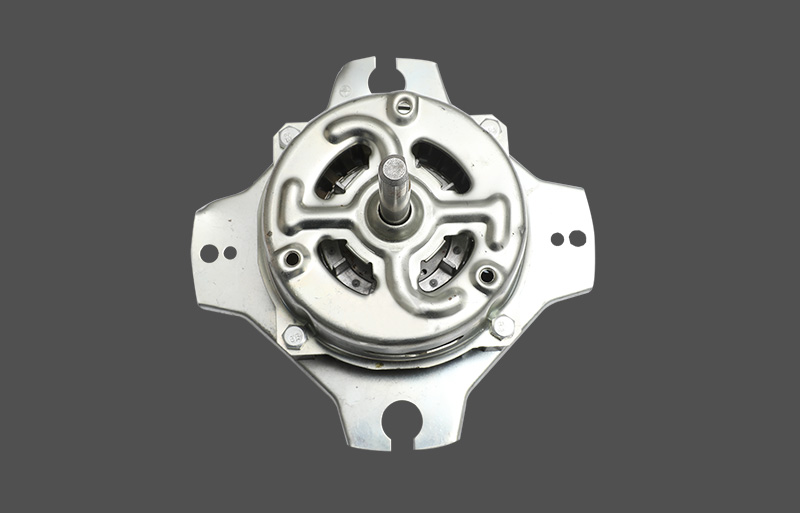
White Color CCA Motor
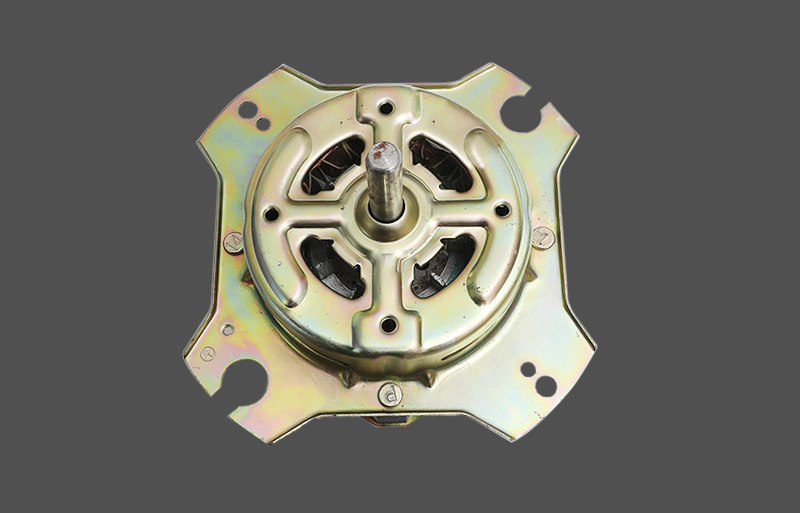
TY-008
Please leave your Email or phone nomber, so we can contact you as soon as possible.
Share


