


When a customer calls us because a production line is overheating, or a homeowner complains that a ceiling fan only moves hot air around, the first question is rarely about brand. It is about fan type, airflow path, and motor match. At Zjszsty, we have manufactured household motors since 1993, and we have seen the same pattern repeat across washing machines, cooker hoods, air conditioners, and ventilation systems: a fan only cools well when its motor, blade, housing, and installation point work as one system.
So, what kind of fan works best for cooling? The short answer is: there is no single best fan. An axial fan with high free-air delivery is often best for moving large volumes of air through open spaces. A centrifugal fan is usually better when air must be pushed through ducts, filters, or tight bends. A high-velocity air circulator can make a room feel several degrees cooler even when the thermostat does not change. For industrial heat, a large low-speed fan or an evaporative cooler may outperform a small high-speed unit. The rest of this guide explains how to match the fan to the job, with practical numbers, selection risks, and the motor details that determine whether a fan keeps cooling year after year.
If you are cooling people, the best fan is usually one that creates a broad, turbulent, low-noise air stream across the occupied zone. If you are cooling equipment or a room, the best fan is one that delivers the required cubic feet per minute (CFM) against the actual static pressure of the installation. If you are cooling a hot, humid workshop, the best fan may be a high-volume industrial fan or an evaporative cooler that combines air movement with moisture evaporation. These are different jobs, and they reward different fan designs.
A common mistake is to choose a fan by diameter alone. A 20-inch axial fan and a 20-inch centrifugal fan can have the same physical size but completely different performance curves. The axial fan may deliver high airflow at low static pressure, while the centrifugal fan may deliver lower free-air CFM but keep pushing air through a long duct. The motor also changes the outcome. A shaded-pole AC motor may be cheap and reliable, but a brushless DC or EC motor can cut power use and add speed control without sacrificing torque. For cooling, the fan curve and the motor torque curve matter more than the blade count printed on the box.
Before comparing fan types, learn the five numbers that separate a cooling fan from a decorative one. These numbers also make supplier discussions faster, because they turn vague requests such as "I need a strong fan" into a specification that can be tested.
| Metric | What It Means | Why It Matters for Cooling | Typical Question to Ask |
|---|---|---|---|
| Airflow (CFM or m³/h) | Volume of air moved per unit time, usually at free air or at a stated static pressure. | Determines how quickly heat is removed or how much air reaches the occupant. | Is the CFM rating at free air, or at the static pressure of my installation? |
| Static pressure (Pa or in. w.g.) | The fan's ability to push air against resistance from ducts, filters, grilles, and bends. | A high-CFM fan can become weak when installed in a restrictive duct. | What is the system resistance at my required airflow? |
| Air velocity (m/s or ft/min) | Speed of the air stream at the outlet or in the occupied zone. | Directly affects convective and evaporative cooling on skin or hot surfaces. | What velocity will I feel or measure at 1 m, 3 m, or 5 m from the fan? |
| Noise (dB(A)) | Sound pressure level, often measured at 1 m or at a specified distance. | A noisy fan may be turned down, which reduces cooling in practice. | Is the dB rating measured at free air or at the operating point? |
| Power and efficiency (W, CFM/W) | Electrical input and air delivered per watt. | Continuous cooling can become expensive if the motor and blade design are inefficient. | What is the annual energy cost at 8, 12, or 24 hours per day? |
The table above is not just for engineers. A purchasing manager can use it to compare quotations. If one supplier quotes 5,000 m³/h without stating static pressure, and another quotes 3,500 m³/h at 120 Pa, the second number may be more useful for a ducted cooling application. In our motor production, we see this every week: the fan that wins on a datasheet headline is not always the fan that keeps a room cool after installation.
Different impeller designs create different airflow patterns. The chart below gives a practical ranking of free-air delivery and pressure capability for common cooling fans. It is a general comparison, not a substitute for a performance curve, but it helps narrow the shortlist before you request samples.
Now let us translate those patterns into real cooling choices.
Axial fans move air parallel to the fan shaft. They are the familiar blade-and-hub design found in pedestal fans, wall fans, exhaust fans, and many industrial ventilators. Their strength is high free-air delivery with a simple, compact structure. Their weakness is low static pressure capability. If you add a long duct, a dense filter, or a sharp bend, the airflow can collapse.
Use an axial fan when the air path is short and open: a wall exhaust fan, a window fan, a pedestal fan for a living room, or a cooling fan on a machine enclosure with a large free inlet. If the application needs a duct run longer than about 1 to 2 meters, or if a filter is involved, check the fan curve carefully. In many cases, a centrifugal or mixed-flow fan will cool better because it can hold airflow against resistance.
Centrifugal fans draw air into the center of a rotating impeller and throw it outward into a scroll housing. This design converts velocity into pressure more effectively than an axial fan. The result is lower free-air CFM but much stronger performance in restrictive systems. For cooling, centrifugal fans are often the right choice for cooker hoods, air handlers, ducted ventilation, electronics cabinets with filters, and drying equipment.
If you are cooling a room through a duct, or if you must pull air through a mesh filter, start with a centrifugal fan. The same applies to tight equipment racks where the air must turn corners. A centrifugal fan may use more space and cost more than an axial fan, but it will keep cooling when the axial fan stalls against pressure.
Cross-flow fans, also called tangential fans, use a long cylindrical impeller to produce a wide, even sheet of air. They are common in tower fans, air curtains, and some convection cooling applications. They cool well when the goal is a broad, low-noise airflow across a wide opening, such as a doorway or a display case. They are not the best choice for high static pressure or long duct runs.
Ceiling fans do not lower air temperature, but they move air across the skin and break up thermal stratification. In a room with air conditioning, a ceiling fan can let you raise the thermostat by 1 to 2 °C while maintaining comfort. In winter, running the fan in reverse can push warm air down from the ceiling. Air circulators are floor or table fans with a focused, high-velocity jet. They are excellent for moving air across a room, drying damp areas, or helping an air conditioner distribute cool air.
In large industrial spaces, many small fans often fail to cool because they cannot move enough total air. A high-volume low-speed (HVLS) ceiling fan or a large mobile industrial fan can move a very large air mass at low velocity. This creates a gentle, continuous breeze over a wide area and can reduce the effective temperature for workers. For spot cooling, a high-velocity industrial fan or an evaporative cooler may be more appropriate. The key is to match throw distance and coverage to the work zone.
Two fans can look identical and still perform differently because of the motor inside. The motor determines starting torque, speed stability, heat tolerance, noise, and energy use. In our factory, we produce washing machine motors, air conditioner motors, cooker hood motors, fan motors, and ventilator motors, and we see how often a cooling problem is actually a motor matching problem.
For cooling fans, the most common motor options are AC induction motors, shaded-pole motors, permanent-split capacitor motors, and brushless DC (BLDC) or EC motors. Each has a place.
If you are selecting a fan for 24/7 cooling, ask about motor insulation class, bearing type, and thermal protection. A fan with a ball-bearing motor and Class F insulation will usually tolerate higher ambient temperatures than a sleeve-bearing motor with lower-grade insulation. For humid or wet cooling applications, a fully enclosed or waterproof motor is essential. You can review our ventilator motors for ducted and exhaust cooling duties, or compare electric fan motors for pedestal, wall, and air circulator designs.
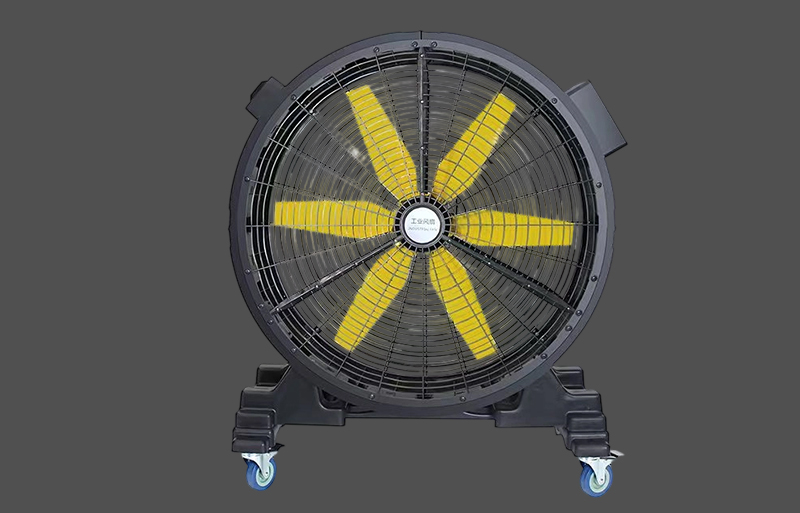 ZP-Series Industrial Cooling Large Scale FanThis is a multi-functional cooling device that integrates powerful air delivery with fine atomization. it is particularly suitable for high-temperature foundries, outd...View Product →
Sizing is where most cooling projects succeed or fail. A fan that is too small will run continuously without reaching the target temperature. A fan that is too large may create noise, drafts, and unnecessary energy cost. Use the following method to move from a vague cooling complaint to a specific fan specification.
If you need a quick starting point, the table below offers typical air change rates for common cooling situations. Treat these as planning values, not guaranteed performance, because insulation, occupancy, and equipment load all change the result.
| Application | Typical Air Changes per Hour (ACH) | Notes for Fan Selection |
|---|---|---|
| Bedroom or living room | 4 to 8 ACH | Prioritize low noise and gentle oscillation. A ceiling fan or tower fan often works well. |
| Home office with electronics | 6 to 12 ACH | Use an air circulator or a quiet axial fan. Avoid directing high-velocity air at the occupant for long periods. |
| Kitchen with cooking heat | 10 to 20 ACH | Use a ducted exhaust fan or range hood fan with enough static pressure for the duct run. |
| Workshop or small factory | 15 to 30 ACH | Consider high-volume axial fans, HVLS fans, or evaporative coolers depending on humidity. |
| Electrical cabinet or machine enclosure | 20 to 60 ACH | Use a filtered centrifugal fan or a compact axial fan with high static pressure. Check filter maintenance. |
Installation is not a detail. A fan installed in a corner with blocked intake will deliver less air than its rating. A ceiling fan mounted too close to the ceiling will have poor circulation. An exhaust fan with a short, straight duct will outperform the same fan with a long, flexible duct and two elbows. The best cooling fan is the one that is installed where it can do its job.
Keep at least one fan diameter of free space around the intake and exhaust. Blocked intakes increase turbulence and reduce airflow. For wall fans, check that the shutter or grille does not restrict the opening.
Use the shortest, straightest duct possible. Every 90-degree bend adds resistance. Flexible duct has higher friction than smooth rigid duct. If you must use a long duct, choose a centrifugal or mixed-flow fan.
For people cooling, aim the air stream slightly above the occupied zone so it mixes before reaching the body. For industrial spot cooling, direct the fan at the work area but avoid blowing dust or debris.
Filters and blades collect dust. A fan that is difficult to clean will lose airflow over time. Design access into the installation, especially for cooker hoods and workshop ventilation.
One practical test: after installation, measure air velocity at the intended cooling point. If it is far below the calculated value, the problem is usually resistance, leakage, or recirculation, not the fan motor. Fixing the air path often costs less than buying a larger fan.
A fan that cools well but sounds like a small aircraft will not be used at night. A fan that uses too much electricity may be turned off during peak hours. Cooling performance must therefore be evaluated together with noise and energy.
For residential cooling, look for a fan with at least three speeds and a noise rating below 50 dB(A) at the medium setting. For industrial cooling, noise may be less critical, but hearing protection and communication still matter. In both cases, choose a motor with thermal protection and bearings rated for the expected duty cycle.
Not every cooling problem happens in a comfortable living room. Kitchens add grease and heat. Bathrooms and greenhouses add humidity. Workshops add dust and metal particles. These conditions change the fan specification.
Kitchen fans must handle grease, heat, and sometimes long duct runs. A centrifugal or mixed-flow fan is usually better than a simple axial fan because it can push air through a narrow duct and against a grease filter. The motor should be rated for higher ambient temperature, and the impeller should be easy to clean. If the fan is part of a cooker hood, check that the airflow matches the hood capture area; otherwise smoke and steam will escape into the room.
In bathrooms, basements, and some industrial processes, moisture can shorten motor life. Choose a fan with a fully enclosed motor, corrosion-resistant housing, and IP-rated protection where water spray is possible. A waterproof motor is not just a marketing feature; it prevents insulation failure and bearing corrosion. For cooling in damp areas, an exhaust fan that removes humid air may be more effective than a circulator that only stirs the air.
In factories and warehouses, heat often stratifies near the ceiling. A large low-speed ceiling fan or HVLS fan can mix the air and reduce the temperature at floor level. For spot cooling, a high-velocity axial fan or an evaporative cooler can provide relief. If the air is very humid, evaporative cooling becomes less effective, so air movement alone may be the better choice. For dusty environments, choose a fan with a sealed motor and a design that does not trap debris.
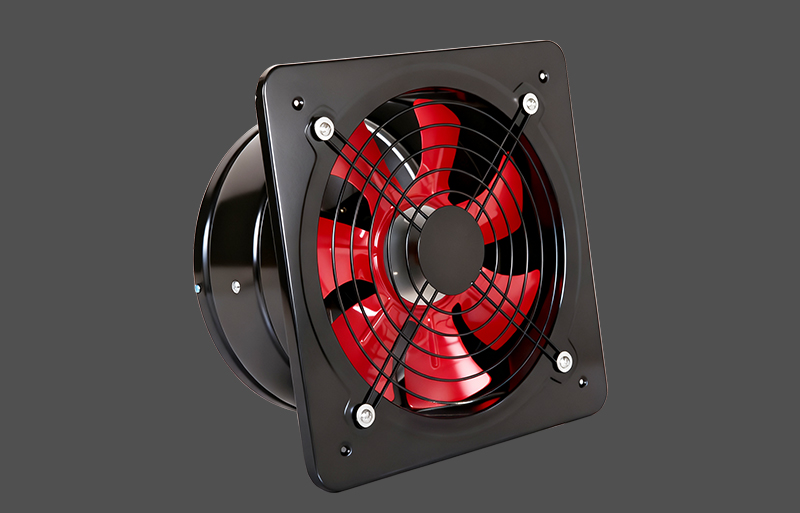 High-Performance Straight Duct Exhaust FanThe High-Performance Straight Duct Exhaust Fan is engineered for environments requiring intensive air exchange. Its streamlined cylindrical housing is crafted from hig...View Product →
When you purchase cooling fans in volume, the risk is not only performance. It is consistency, certification, and after-sales support. A sample that performs well may not represent mass production if the motor supplier changes bearings, winding wire, or blade material. Use a verification checklist before committing to a large order.
If you are comparing quotations, normalize them to the same operating point. A lower price with a lower static pressure rating may end up costing more in energy, noise complaints, or premature replacement. The best cooling fan is the one that meets the cooling target with the lowest total cost over its service life.
For a typical room, a ceiling fan or a large air circulator usually cools best because it mixes air without creating a narrow high-speed draft. If the room has an air conditioner, a ceiling fan can raise the thermostat setting and still maintain comfort. If the room is hot and stuffy with no outdoor air, an exhaust fan that removes hot air may be more effective than a fan that only moves it around.
No. A larger fan can move more air, but it may be too noisy or too powerful for a small space. The right size depends on room volume, heat load, and the desired air velocity. In ducted systems, a larger fan with the wrong pressure curve can deliver less useful airflow than a smaller fan matched to the duct resistance.
DC and EC fans do not automatically produce more airflow, but they often provide better speed control and higher efficiency. They can also maintain torque at lower speeds, which helps with quiet night operation. For the same blade and housing, a well-designed DC fan may deliver similar cooling with less energy and more speed options.
A fan cannot lower air temperature the way a refrigeration cycle does, but it can make people feel cooler through air movement and evaporation. In dry climates, an evaporative cooler can lower air temperature significantly. In humid climates, evaporative cooling is less effective, and a fan is mainly a comfort device rather than a true cooling machine.
Measure air velocity at the intended cooling point. If the air feels stagnant more than 2 to 3 meters from the fan, or if the room temperature remains high after 30 minutes of operation, the fan may be undersized or installed poorly. Check for blocked intakes, dirty blades, and duct leaks before replacing the fan.
Clean blades, grilles, and filters regularly. Lubricate bearings only if the motor is designed for it. Check mounting bolts and electrical connections. For exhaust fans, verify that the shutter opens fully. For industrial fans, inspect belts and couplings if applicable. A clean fan with a clear air path can recover a surprising amount of lost cooling performance.
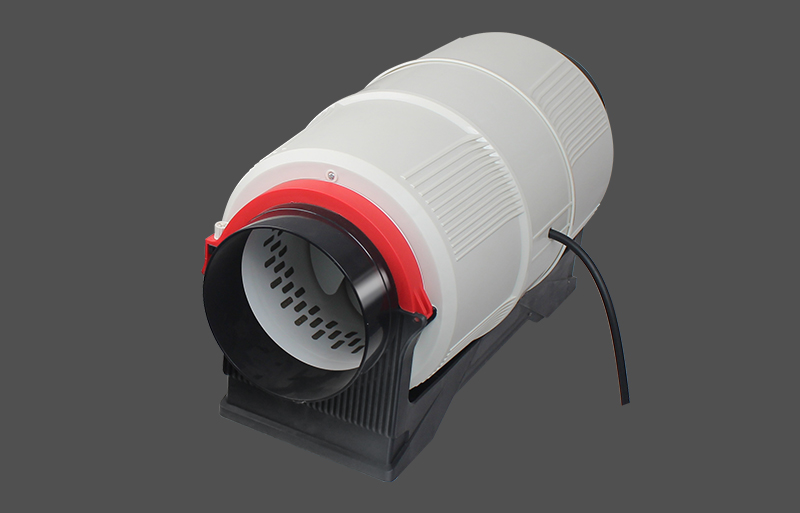 ZB-Series Diagonal Flow Low-Noise Silent Inline FanThis silent fan is crafted for indoor environments with strict acoustic requirements, such as luxury hotel rooms, high-end meeting rooms, precision laboratories, libra...View Product →
If you are still unsure which fan works best for your cooling application, start with the airflow path. Identify where the heat is, where the cool air should go, and what resistance stands in the way. Then match the impeller type, motor, and size to that path. In our experience as a motor manufacturer, this simple discipline prevents most cooling failures more effectively than any single product claim.
For homes, the best cooling fan is usually a quiet, efficient air mover that keeps people comfortable without wasting energy. For kitchens and workshops, it is a pressure-capable fan with a durable motor. For large industrial spaces, it is a high-volume or evaporative system designed around the actual heat load. When you specify the fan around the job, the fan cools better, lasts longer, and creates fewer complaints.
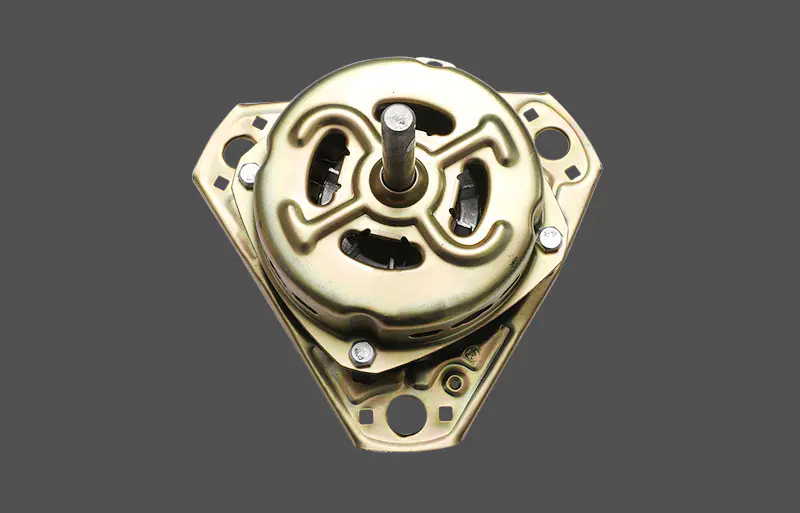
Ty001 Double-Tub Washing Machine Dedicated Motor
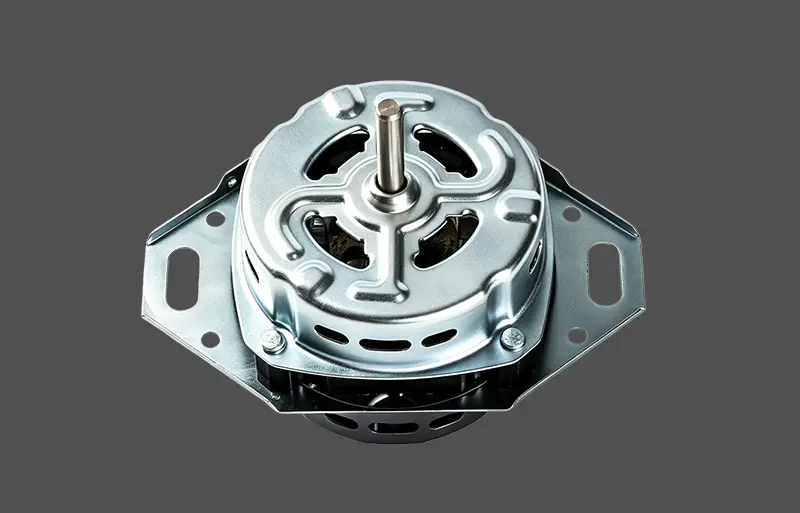
TY002 Powerful & Durable Copper-Wound Washing Machine Motor
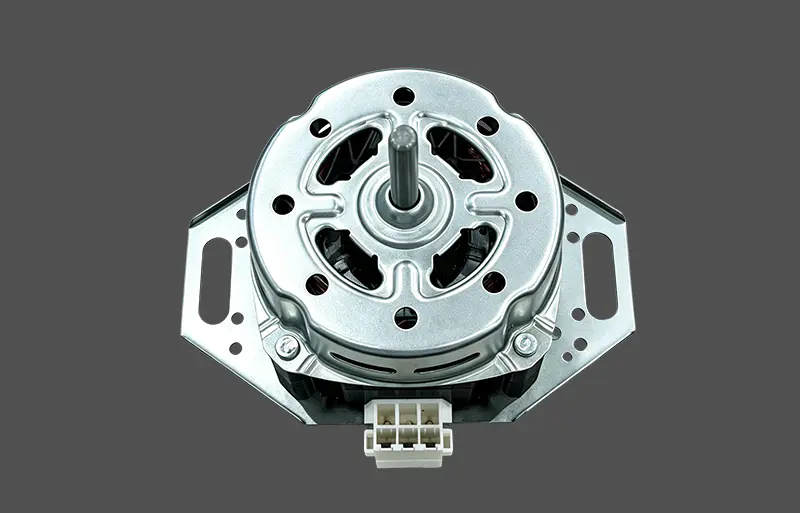
Environmental Cover Washing Machine Motor
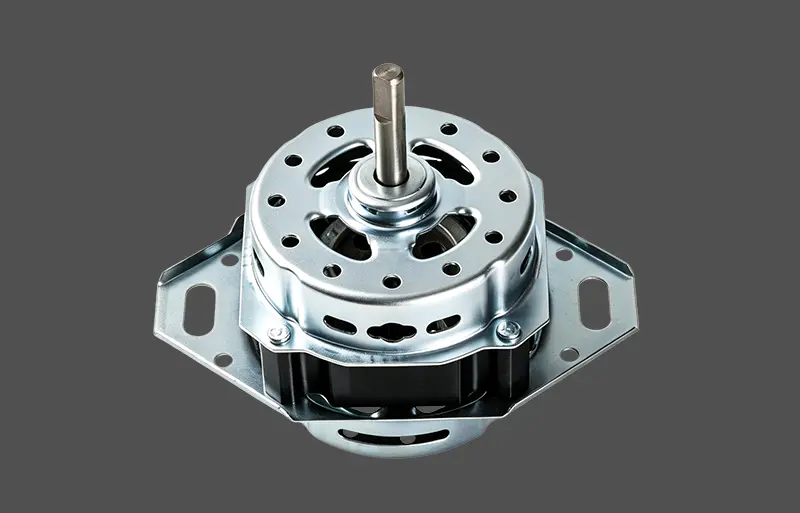
TY004 High-Efficiency Mini Copper Wire Washing Machine Motor
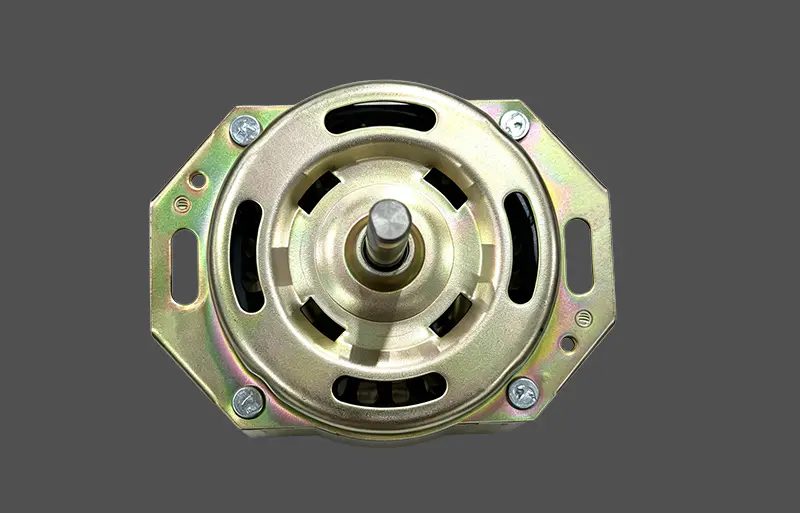
TY005 100% Copper Wire High-Speed Induction Motor
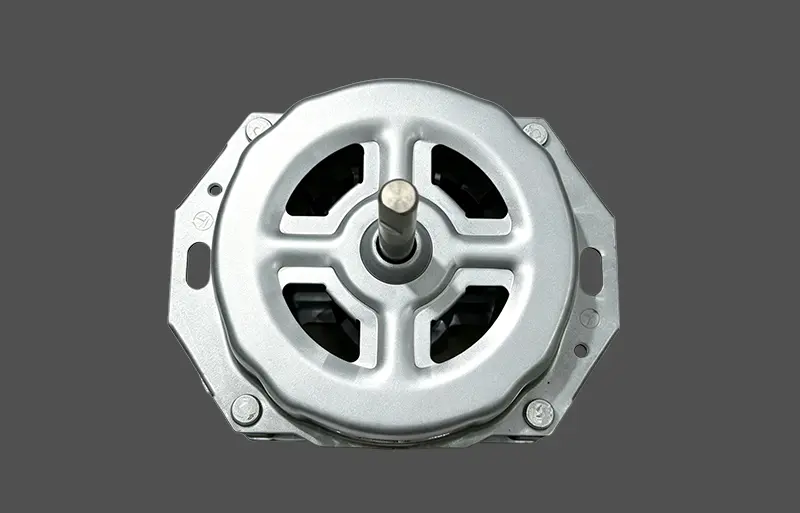
Home Appliance Parts Washing Motor
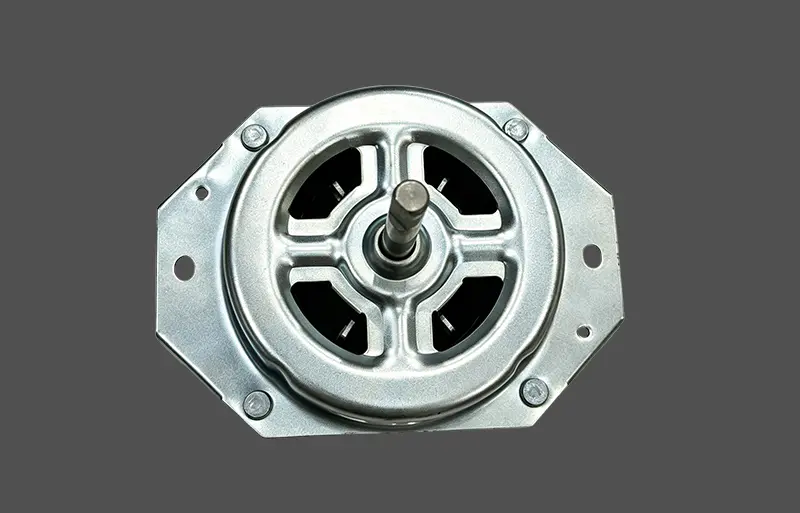
White Color CCA Motor
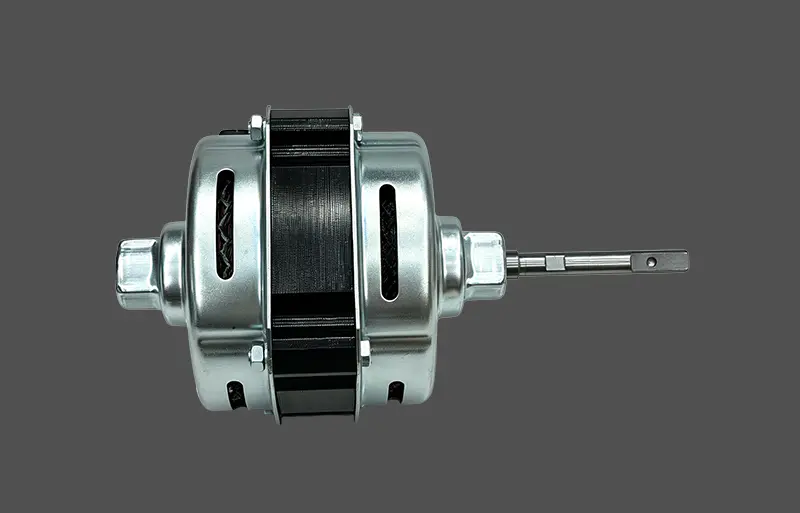
TY-008
Please leave your Email or phone nomber, so we can contact you as soon as possible.
Share


