I. The Driving Force: Function and Significance of the Washing Machine Motor
Brief overview of the washing machine motor's function
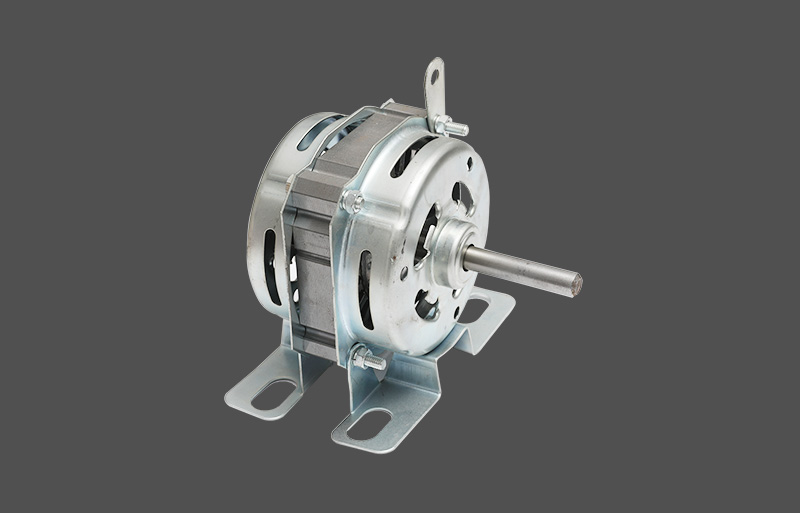
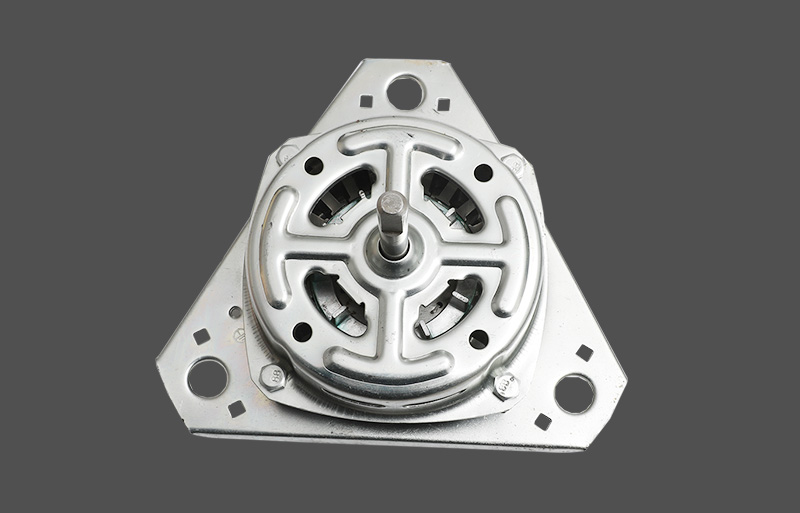
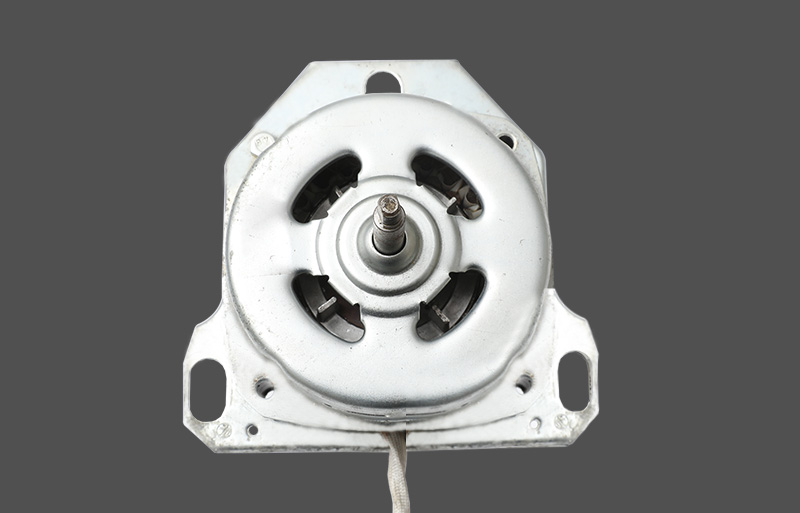
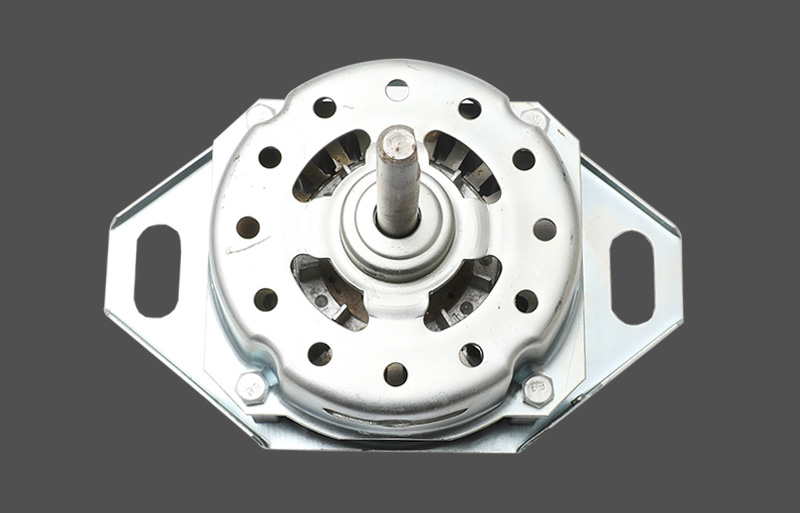
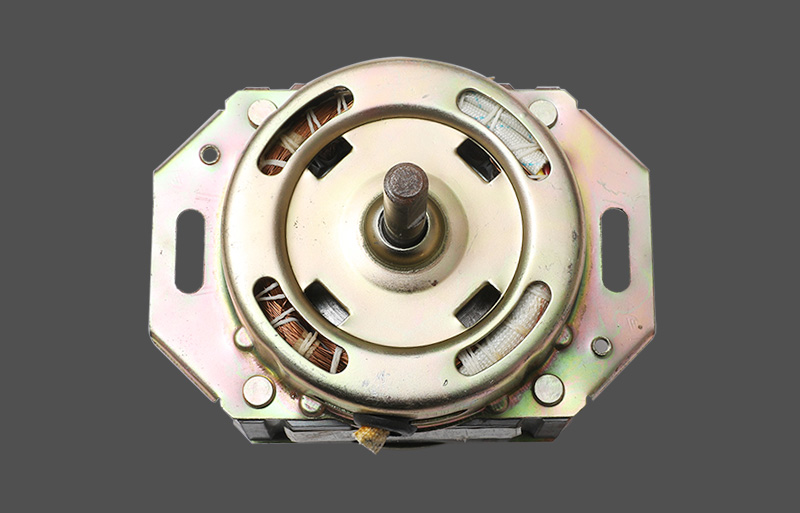
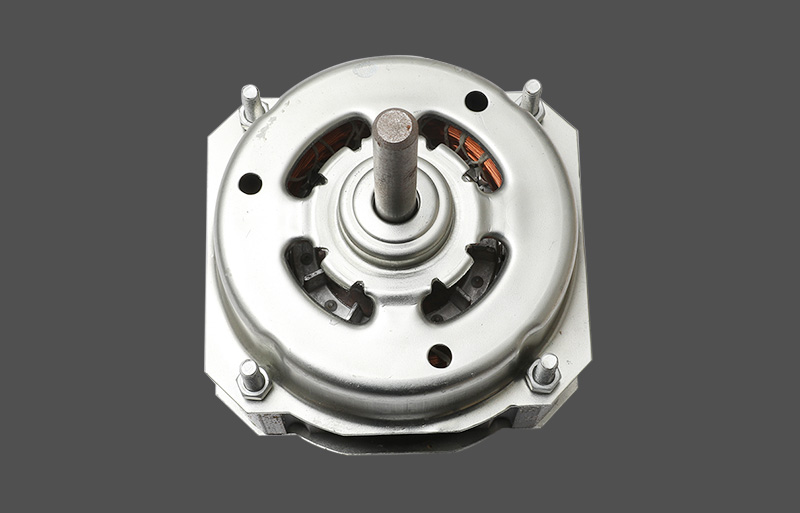
The fundamental purpose of the Washing Machine Motor is to convert electrical energy supplied from the home power source into the precise mechanical motion required for two primary laundry phases: agitation/tumbling and spinning.
- Role in Agitation and Tumbling Cycles: During the wash phase, the motor drives the drum or agitator back and forth (or tumbles continuously in front-load washers) to mix water and detergent with the clothes. The motor's control over speed and direction ensures gentle handling for delicate fabrics and rigorous action for heavily soiled items.
- Role in Spinning Cycles: In the final phase, the motor must ramp up the rotational speed of the drum to an extremely high rate. This generates the centrifugal force necessary to effectively remove excess water from the clothes, significantly reducing drying time and energy consumption afterward. The motor's ability to achieve and maintain this high speed is a direct measure of its quality and power.
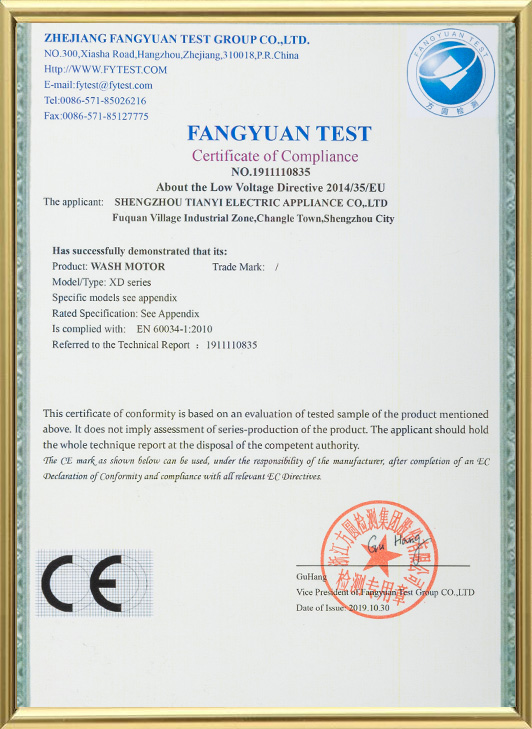
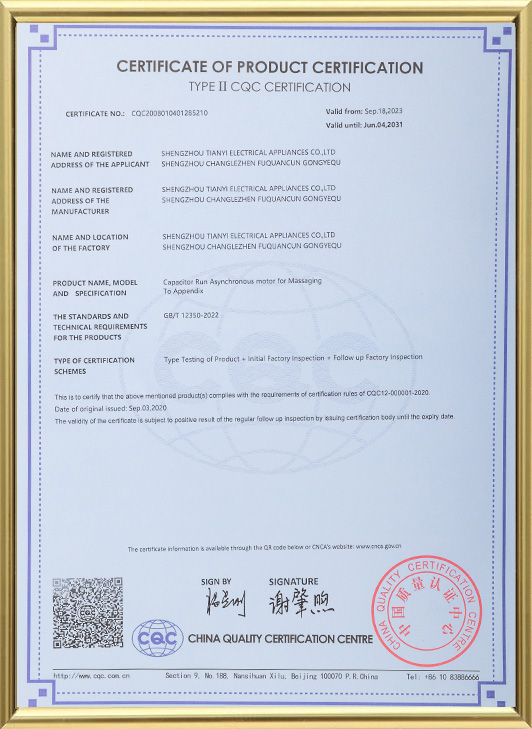
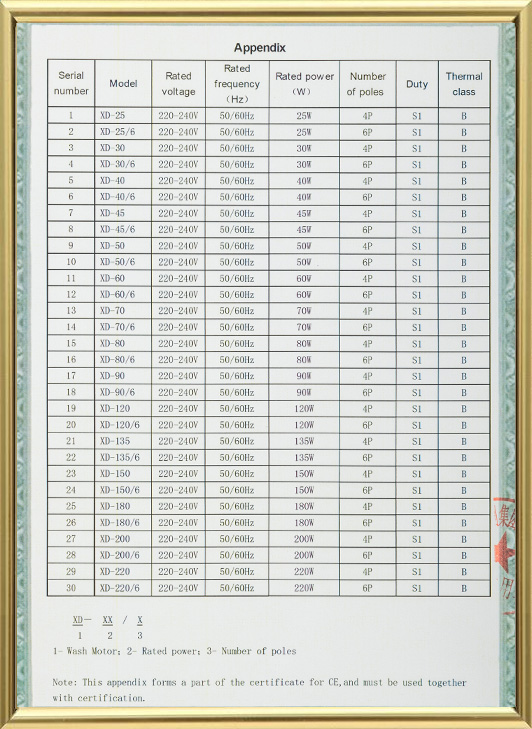
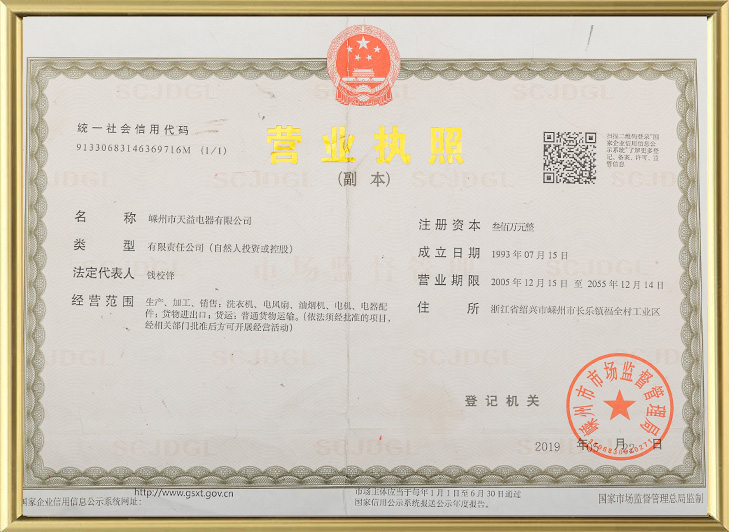
The reliable operation of this component is a key focus for industry experts. For instance, Shengzhou Tianyi Electric Appliance Co., Ltd., established in 1993, has dedicated over 30 years to professionally researching, developing, and selling household electrical motors. Their comprehensive services, covering design and development to production and assembly, underscore the complexity and importance of this core appliance component.
Importance of a functioning motor for laundry efficiency
A high-performing Washing Machine Motor is intrinsically linked to the overall efficiency, performance, and longevity of the washing machine.
- Impact on Cleaning Performance and Energy Consumption: An inefficient or failing motor can lead to uneven agitation or insufficient spin speed. This results in poorly cleaned and excessively wet laundry, forcing users to run extra rinse/spin cycles or extending drying time—both of which dramatically increase water and energy usage. A well-designed motor ensures the appliance adheres to its rated energy consumption metrics.
- The Motor's Life Cycle and Expected Longevity: The lifespan of a washing machine is often determined by the durability of its major moving parts, chief among them the motor. Quality construction, such as that provided by companies like Shengzhou Tianyi Electric Appliance Co., Ltd., which achieved a production volume of 12 million household motors in 2023 (with 8 million being washing machine motors), directly translates to reliability. Investing in motors developed with robust industrial standards—like the processes at the company's factory, which adheres to the ISO9001 quality management system—is crucial for extending the appliance's life.
| Parameter |
Functioning Motor |
Failing/Inefficient Motor |
| Spin Speed (RPM) |
High (e.g., 1200-1600) |
Low or inconsistent |
| Water Extraction |
High (Low Residual Moisture) |
Low (High Residual Moisture) |
| Cycle Time |
Accurate and Predictable |
Extended (Due to retries/rebalancing) |
| Energy Use |
Within Rated Specifications |
Higher (Due to extra cycles) |
| Noise/Vibration |
Minimal and Consistent |
Excessive Humming or Thumping |
The consistent development and innovation in this sector are vital. Shengzhou Tianyi Electric Appliance Co., Ltd.'s commitment is reflected in its goal: "to devote itself to Research Development, and innovation, and we will try our best to provide the best products and solutions for customers with the best service." This continuous drive ensures that the Washing Machine Motor remains a highly optimized and reliable product for consumers globally.
II. Understanding Washing Machine Motors (The Engine Room)
To effectively troubleshoot or consider the washing machine motor replacement process, one must first understand the fundamental differences between the main motor types currently in use. Technological advancements have shifted the industry from traditional setups to highly efficient, digitally controlled systems. Companies like Shengzhou Tianyi Electric Appliance Co., Ltd., which produces millions of motors annually and has passed the ISO9001 quality management system, are at the forefront of this evolution, continually optimizing these motor designs.
Types of Washing Machine Motors
The design of the Washing Machine Motor dictates its efficiency, reliability, and the noise level of the appliance. The three main types are distinguished by how they transmit power to the drum.
Direct Drive Motors (DDM)
- Mechanism: In this design, the motor is directly attached to the washer drum, eliminating the need for belts, pulleys, or gearboxes. The motor often surrounds the central drum shaft.
- Advantages: Fewer moving parts means less wear and tear and significantly quieter operation. These motors offer precise speed and direction control, optimizing both the washing and spinning phases.
- Disadvantages: Replacement can sometimes be more complex due to integration with the drum assembly.
Belt Drive Motors (BDM)
- Mechanism: This is the conventional design where a belt connects the motor's drive shaft (pulley) to a larger pulley on the drum or transmission.
- Advantages: Simple, proven technology. The motor is often easily accessible for inspection and washing machine motor replacement. Belts act as a mechanical fuse, protecting the motor from extreme shock loads.
- Disadvantages: The belt is a wear item requiring periodic inspection and replacement. The transfer of power can be less efficient, and they typically generate more noise than DDMs.
Inverter Motors (Brushless DC Motors)
- Mechanism: While many Direct Drive motors utilize inverter technology, the key differentiator is the use of a Brushless DC (BLDC) motor, often coupled with a Variable Frequency Drive (VFD) or inverter control board. This system electronically manages the motor's speed and torque via digital signals rather than constant voltage.
- Efficiency and Role of VFD Technology: The inverter control allows the motor to run at highly variable speeds with only the required energy input, offering superior energy efficiency compared to traditional motors. This is a primary reason why high-volume producers like Shengzhou Tianyi Electric Appliance Co., Ltd. (with an annual production capacity exceeding 10 million motors) focus heavily on these advanced designs, ensuring their products meet modern efficiency standards like CE and CCC certification.
| Motor Type |
Power Transmission |
Key Wear Items |
Speed Control |
Noise Level |
Energy Efficiency |
| Belt Drive |
Belt and Pulleys |
Belt, Carbon Brushes (if applicable) |
Fixed Speeds (via poles) |
Higher |
Moderate |
| Direct Drive |
Direct Coupling (Shaft) |
Bearings, Stator/Rotor |
Electronic (via control board) |
Low |
High |
| Inverter (BLDC) |
Electronic/Variable |
None (Brushless design) |
Highly Variable & Precise |
Lowest |
Superior |
Key Components of a Washing Machine Motor
Regardless of the drive type, the core of any electric Washing Machine Motor relies on the interaction between magnetic fields.
- Motor Stator: This is the stationary component of the motor. It consists of wound coils of wire (windings) that, when energized by current, create an electromagnetic field. In Direct Drive motors, the stator is typically bolted to the rear of the drum housing.
- Motor Rotor: This is the rotating component. In induction motors (common in older BDMs), the rotor has copper bars (squirrel cage). In modern inverter/DDMs, the rotor often contains permanent magnets. The magnetic interaction between the energized stator and the rotor is what generates torque and rotation.
- Carbon Brushes (if applicable): Found in older universal (brushed) motors, these carbon blocks make contact with the rotating commutator to deliver current to the rotor windings. They are a common point of wear and must be replaced periodically—a key consideration during the washing machine motor replacement process.
- Motor Control Board (MCU): This electronic component is vital, especially for inverter and direct drive motors. It takes input from the washer's main control board and precisely manages the voltage, current, and frequency delivered to the motor, controlling its speed and direction. This sophisticated control is a testament to the decades of R&D, exemplified by companies like Shengzhou Tianyi Electric Appliance Co., Ltd., where over 50 personnel are dedicated to management and research and development.
III. Common Washing Machine Motor Problems (Diagnosis by Symptom)
A failing Washing Machine Motor often communicates its distress through a series of easily identifiable symptoms. Recognizing these signs early is crucial for preventing minor issues from escalating into a need for complete washing machine motor replacement. Understanding the root cause—whether electrical, mechanical, or control-related—allows for targeted and efficient troubleshooting.
Motor not starting
If the washer fills with water but the drum fails to move, the motor or its immediate support system is suspect.
- Initial Diagnosis: The absence of any sound suggests a complete loss of power to the motor or a fault in the control circuitry.
- Possible Causes:
- Motor Thermal Overload: The motor might have overheated during a previous cycle and tripped its internal thermal protector. This is a common protective mechanism built into motors, reflecting the focus on safety and reliability championed by manufacturers like Shengzhou Tianyi Electric Appliance Co., Ltd., which holds product certifications like CCC and CE.
- Control Board Failure: The electronic motor control unit (MCU) may not be sending the start signal or the correct voltage to the Washing Machine Motor.
- Door Lock Mechanism: On front-load machines, a faulty door lock prevents the motor from engaging for safety.
Motor humming or making unusual noises
A humming sound without rotation indicates that the motor is receiving power but cannot overcome the resistance to start spinning.
- Initial Diagnosis: This often points to a mechanical blockage or a fault in the starting circuit.
- Possible Causes:
- Stuck Rotor or Transmission: Foreign objects (like small coins or debris) lodged between the drum and tub, or a seized bearing, can mechanically prevent the motor from turning.
- Faulty Capacitor (Belt Drive Motors): For induction-type motors, a defective start or run capacitor prevents the necessary phase shift to initiate rotation, leading to a loud hum as the motor attempts to start.
- Motor Winding Short: An internal electrical fault within the motor windings themselves can cause excessive heat and a distinct humming before the thermal cutout trips.
Burning smell during operation
A pungent, acrid odor, often resembling burning plastic or rubber, demands immediate investigation and power disconnection.
- Initial Diagnosis: This is a severe symptom almost always related to excessive heat generation.
- Possible Causes:
- Friction from a Worn Belt: In belt-drive systems, if the belt is misaligned or severely worn, the friction against the pulley or housing can generate intense heat and the smell of burning rubber.
- Worn Carbon Brushes: In brushed Washing Machine Motors, carbon dust accumulation or brushes worn down to the metal shunt can create intense sparking and heat at the commutator, producing a distinct electrical burning odor.
- Overloaded Motor: Forcing the motor to spin an excessively heavy or unbalanced load causes high current draw and rapid overheating, potentially melting the internal insulation on the windings. Avoiding overloading is a key maintenance tip, aligning with the quality-focused solutions provided by motor specialists.
Washer not spinning or agitating
The machine runs, makes noise, and perhaps even drains, but the drum movement is incorrect or absent.
| Symptom |
Motor Behavior |
Likely Motor-Related Cause |
Transmission/Other Cause |
| No Agitation |
Motor attempts to run briefly |
Motor brushes are too worn to maintain contact (if applicable) |
Broken transmission coupler or splutch |
| No High Spin |
Motor runs at low speed only |
Hall Sensor (for DDM/Inverter) is faulty, preventing speed measurement |
Broken belt (BDM) or clutch assembly failure |
| Weak Agitation |
Motor runs sluggishly |
Partial short circuit in the motor windings reducing torque |
Loose belt or incorrect belt tension (BDM) |
Error codes related to motor issues
Modern washers utilize sophisticated electronic diagnostics to protect the Washing Machine Motor and simplify troubleshooting. When a fault is detected (e.g., incorrect RPM, failure to start, communication error), the main control board displays a code.
- Significance: These codes often directly point to specific component failures, such as a Hall Sensor error (indicating the motor position is not being correctly read) or an Over Current error (indicating the motor is drawing excessive current due to a short or heavy load).
- Expert Solutions: Providing professional solutions to customers' motor problems, as is the mission of Shengzhou Tianyi Electric Appliance Co., Ltd., relies heavily on interpreting these diagnostic codes. The technical expertise, supported by over 50 personnel in R&D, ensures that the underlying motor or control issue is correctly identified.
IV. Troubleshooting a Washing Machine Motor (Systematic Inspection)
Troubleshooting a Washing Machine Motor requires a systematic approach, combining adherence to safety protocols with precise electrical testing. Attempting to repair or diagnose a motor without proper caution can result in severe injury or damage to the appliance. The goal is to accurately identify whether the fault lies within the motor itself, the control board, or peripheral components like the capacitor or brushes.
Safety precautions before troubleshooting (disconnecting power)
Before touching any internal components, safety must be the absolute priority.
- Disconnect Power: Always unplug the washing machine from the wall outlet. Do not rely solely on turning the machine off via the control panel.
- Turn Off Water Supply: Shut off the hot and cold water supply valves to prevent accidental flooding.
- Discharge Capacitors: Electrical components, particularly start/run capacitors, can store a dangerous electrical charge even after the power is disconnected. This charge must be safely discharged before testing the motor or its components.
Checking for power supply issues
Verify that power is actually reaching the appliance before assuming the Washing Machine Motor has failed. Use a multimeter to confirm the outlet is functioning and that the wiring harness leading to the control board has continuity. Issues here are often simpler than motor failure.
Inspecting the motor for visible damage
Once safe access is gained to the Washing Machine Motor—a process that varies significantly between top-load and front-load models—a visual inspection can reveal immediate clues.
- Look for physical damage such as cracked casings, corrosion from water leaks, or signs of extreme heat (melted plastic, blackened insulation).
- In belt-drive models, check the belt tension and condition; a loose or degraded belt can mimic motor weakness.
Testing the motor with a multimeter
The multimeter is an essential tool for diagnosing the electrical integrity of the Washing Machine Motor.
- Testing Winding Resistance (R): Disconnect the motor from the control board. Using the multimeter set to the Ohms ($\Omega$) resistance setting, measure the resistance across the motor windings.
- Symptom of Failure: Readings significantly lower than specified (often near 0 Ω) suggest a short circuit within the windings. Readings that are "open" or infinite resistance suggest a broken winding, preventing current flow.
- Quality Assurance: Motor manufacturers, including Shengzhou Tianyi Electric Appliance Co., Ltd., adhere to strict quality controls (ISO9001) that ensure precise winding resistance for consistent performance and thermal management.
- Testing for Ground Short: Place one probe on a motor terminal and the other on the motor casing (ground). A zero reading indicates a short circuit to the motor housing, which is a dangerous fault requiring complete washing machine motor replacement.
Checking the motor capacitor
For many older or belt-drive Washing Machine Motors, a capacitor is needed to provide the initial torque or maintain the running current phase shift.
- Testing Capacitance: After safely discharging the capacitor, use the multimeter set to the capacitance (μF) setting.
- Acceptable Parameter: The reading should be within ±10% of the microfarad (μF) rating stamped on the capacitor housing.
- Symptom of Failure: A reading far outside this range, especially near zero, means the capacitor cannot store charge, preventing the motor from starting (resulting in a hum).
Inspecting and replacing carbon brushes (if applicable)
For universal motors, the carbon brushes wear down over time. This wear is a primary cause of intermittent failure, weak spin, or the smell of burning carbon dust.
- Inspection Parameter: Remove the brushes and measure their length. The brush length should typically be no less than 1/2 inch (approximately 12 mm). If the carbon block is significantly shorter or if the spring is unable to push the brush against the commutator, they need replacement.
- Expert Insight: The production of reliable, high-volume components like washing machine motors (8 million produced in 2023 by Shengzhou Tianyi Electric Appliance Co., Ltd. alone) requires deep knowledge of material science, ensuring brushes and commutators are matched for optimal life. Properly inspecting and replacing these brushes restores power delivery and efficiency.
By following these procedures and interpreting the electrical parameters correctly, technicians and advanced DIY users can isolate the fault, often saving the expense of unnecessary washing machine motor replacement by diagnosing a peripheral component failure instead.
V. Washing Machine Motor Replacement Guide (DIY Repair Steps)
The decision to proceed with a washing machine motor replacement typically follows a conclusive diagnosis that the motor windings, internal magnets, or sophisticated electronics (in the case of inverter motors) have failed permanently. While this can be a complex task, a methodical approach ensures success. Given the high reliability of modern manufacturing processes, such as those at Shengzhou Tianyi Electric Appliance Co., Ltd., which supplies millions of household motors annually, motor failure is often the result of external stress (like chronic overloading) or simply reaching the end of its projected lifespan.
Tools Needed for Replacement
Having the right equipment is essential for safe and efficient replacement, minimizing the risk of damage to surrounding components.
| Tool |
Purpose |
Note |
| Multimeter |
Pre- and post-installation continuity checks |
Essential for safety and confirming wiring |
| Socket Wrench Set |
Removing mounting bolts (often 10mm or 13mm) |
Needed for securing or releasing the motor housing |
| Screwdriver Set |
Accessing panels and disconnecting terminals |
Various sizes (Phillips and flathead) |
| Camera/Smartphone |
Documenting wiring and belt/pulley positions |
Crucial for accurate reassembly |
| Gloves and Safety Glasses |
Personal Protection |
Always required when working with appliances |
Step-by-Step Replacement Instructions
The process varies between Belt Drive Motors (BDM) and Direct Drive Motors (DDM), but the core principles remain the same: safety, documentation, and precision.
Accessing the motor
- Safety First: Reiterate the importance of disconnecting all power and water supplies.
- Gaining Access: For top-load washers, access is often gained by removing the rear panel or tilting the cabinet forward. For front-load machines, the motor is typically accessed by removing the rear panel.
Disconnecting wiring
- Documentation: Before pulling any wires, take clear photographs or label every connection point. Modern Washing Machine Motors, especially those controlled by inverters, have complex wiring harnesses (often including Hall sensors) that must be reconnected precisely according to the wiring diagram.
- Removal: Carefully disconnect the wiring harness plugs and terminal spade connectors from the old motor. Avoid pulling on the wires themselves; grasp the plastic connector housing.
Removing the old motor
- Belt Drive Motors (BDM): If a belt is present, relieve its tension and slide it off the motor pulley. Unbolt the motor from its mounting brackets (typically three or four bolts).
- Direct Drive Motors (DDM): These motors are often secured by a single central bolt connecting the rotor assembly to the drum shaft. Once the central bolt is removed, the rotor (the magnetic outer ring) usually pulls off the shaft. The stator (the coil-filled core) is then unbolted from the rear tub housing.
Installing the new motor
- Verification: Ensure the new Washing Machine Motor is the exact replacement part for your appliance model. As a major supplier, Shengzhou Tianyi Electric Appliance Co., Ltd. focuses on ensuring dimensional and electrical compatibility across various domestic appliances, a key service they offer to minimize customer motor problems.
- Mounting: Install the new motor, stator, or housing onto the frame. Secure all mounting bolts firmly.
- Torque Parameter: Motor mounting bolts should be tightened to the manufacturer's specified torque rating (consult the service manual), ensuring stability without crushing the housing.
Reconnecting wiring
- Precision: Connect the wiring harness, referring meticulously to the photographs and labels taken during disassembly. Even small errors in reconnecting the Washing Machine Motor wiring can damage the new motor or the main control board upon power-up.
- Sensors: Ensure all sensor wires (e.g., Hall sensor plugs for DDM) are seated correctly.
Testing the new motor
- Reassembly Check: Before running a cycle, replace all access panels and ensure the motor area is clear of tools and debris.
- First Run: Plug the machine back in and run a short, empty diagnostic cycle (e.g., a short spin). Listen carefully for smooth operation, checking for unusual noises or vibrations that might indicate incorrect mounting or belt tension.
By adhering to these stringent, systematic steps, even complex washing machine motor replacement tasks can be performed successfully, restoring the washer to its optimal performance level.
VI. Maintaining Your Washing Machine Motor (Extending Motor Life)
While modern Washing Machine Motors—especially those utilizing advanced inverter and brushless technologies, like the millions produced annually by specialized companies—are designed for long-term durability, proper preventative maintenance is essential. Simple routine care significantly reduces stress on the motor and its associated components, thereby postponing the need for a costly washing machine motor replacement.
Regular cleaning to prevent debris buildup
- Impact of Debris: The motor often sits in an area prone to lint, pet hair, and minor spills. This debris can insulate the motor casing, hindering heat dissipation. Overheating is one of the leading causes of motor failure, as it degrades the winding insulation and internal electronics.
- Actionable Tip: Periodically (e.g., every 6-12 months), access the motor area (following the safety precautions outlined in Section IV) and use a vacuum cleaner or compressed air to remove accumulated lint and dust from the motor's exterior vents and cooling fins.
Avoiding overloading the washing machine
Overloading the drum forces the Washing Machine Motor to draw excessive current (amps) to start and maintain the spin speed. This sustained high current draw generates extreme heat, rapidly accelerating wear and reducing the motor’s lifespan.
| Load Condition |
Motor Stress Level |
Current Draw |
Heat Generation |
| Optimal Load (70-80% capacity) |
Low |
Standard |
Low |
| Overload (100%+ capacity) |
High |
Excessive (Up to 150% of rating) |
High and Damaging |
| Unbalanced Load |
High/Intermittent Spike |
Highly Variable/Spiky |
High, especially during spin |
- Guideline: Always adhere to the appliance manufacturer's capacity guidelines. Distributing laundry evenly during loading is also crucial to minimize unbalanced forces, which cause the motor to constantly fight against rotational wobble during high-speed spinning.
Checking and replacing worn carbon brushes (if applicable)
For washing machines employing universal (brushed) motors, the carbon brushes are a consumable item designed to wear down. Ignoring worn brushes can lead to poor performance, excessive sparking, and even damage to the commutator—a much more expensive fault than a simple brush replacement.
- Maintenance Schedule: Inspect carbon brushes every 5-7 years of regular use, or immediately upon noticing symptoms like intermittent operation or a burning smell.
- Replacement Parameter: As detailed in Section IV, replace the brushes when they are worn down significantly past the manufacturer's specified minimum length (typically below 12 mm or 1/2 inch). Using high-quality replacement brushes ensures optimal contact and current transfer.
Ensuring proper ventilation around the washer
The ambient temperature surrounding the washing machine affects the motor’s ability to cool itself.
- Actionable Tip: Ensure the machine is placed in an area with adequate airflow. Avoid placing the washer directly against walls or confining it within tight cabinetry that traps heat. This is particularly relevant for the electronic control boards and Washing Machine Motor found in high-tech units.
The long-term reliability of components is a priority for the industry. Shengzhou Tianyi Electric Appliance Co., Ltd., a company that has been professionally engaged in researching and developing household electrical motors for over 30 years and whose products have passed rigorous certifications like CCC and CE, emphasizes quality design. However, even the best-designed motors benefit from user diligence in load management and cleanliness to ensure they meet or exceed their expected operational lifespan. The company’s scale, producing 8 million washing machine motors in 2023, is testament to the critical role these components play in the global appliance market.
VII. FAQ
1. What is the difference between a direct drive and an inverter Washing Machine Motor?
The difference lies in both the mechanics of power transmission and the electronics used for control:
| Feature |
Direct Drive Motor (DDM) |
Inverter Motor (BLDC) |
| Mechanical Linkage |
Directly coupled to the drum (no belt) |
Can be direct drive or belt drive |
| Technology |
Often uses Permanent Magnet Synchronous Motor (PMSM) |
Always uses sophisticated electronic control (VFD/Inverter) |
| Speed Control |
Electronic control |
Highly precise, infinitely variable speed |
| Brushes |
Typically Brushless |
Always Brushless |
| Energy Efficiency |
High |
Superior |
While many modern DDM systems are controlled by inverter technology, the key distinction is that "inverter" refers to the highly efficient, electronic method of controlling the motor, allowing for precise speed changes and reduced energy consumption. This focus on efficiency drives the industry, exemplified by companies like Shengzhou Tianyi Electric Appliance Co., Ltd., which achieved certifications like CCC and CE for their products.
2. How much does a new washing machine motor replacement typically cost?
The cost of replacing a Washing Machine Motor is highly variable, depending on the motor type:
- Universal (Brushed) Motor: These are generally the least expensive motor type, making replacement relatively cost-effective.
- Direct Drive Stator/Rotor: The components themselves may be moderately priced, but the labor involved in accessing and installing the stator, rotor, and often a new Hall sensor can increase the overall repair cost.
- Inverter Motor and Control Board: Replacing a modern inverter motor often requires replacing the electronic motor control unit (MCU) as well, as a failure in one can damage the other. This combined component cost usually makes this the most expensive replacement option.
The overall price must include the cost of the high-quality replacement motor, sourced from reliable manufacturers.
3. How do I know if the problem is the motor or the control board?
This is a critical distinction during troubleshooting, as replacing the wrong part leads to wasted time and money.
- Motor Failure Signs: A conclusive motor failure is indicated by open or shorted motor windings when tested with a multimeter (see Section IV). Physical signs like a burnt winding smell or seized bearings also point directly to the motor.
- Control Board Failure Signs: The control board is likely at fault if the motor tests perfectly fine electrically (correct resistance, no short to ground) but the machine fails to send the correct voltage signal to the motor. Inverter systems are particularly susceptible to control board failures due to electrical surges.
Motor producers like Shengzhou Tianyi Electric Appliance Co., Ltd., with their R&D expertise, focus on ensuring that the motor itself is robust against common fluctuations, but the control board remains a separate point of failure.
4. What is the average lifespan of a modern Washing Machine Motor?
The expected lifespan of a motor is a testament to the quality of its design and manufacturing.
- Universal (Brushed) Motors: Generally 5–10 years, heavily dependent on carbon brushes replacement frequency.
- Direct Drive/Inverter Motors: Often designed to last 10–20 years or more. Their brushless nature and reduced moving parts contribute significantly to this longevity.
Companies like Shengzhou Tianyi Electric Appliance Co., Ltd., which leverage over 30 years of professional experience and strict adherence to the ISO9001 quality management system, build motors designed to last well beyond the average appliance warranty period. Their annual production volume, including 8 million washing machine motors, supports a global market demand for durable components.